Genel Bakış Plazma Atomizasyonu
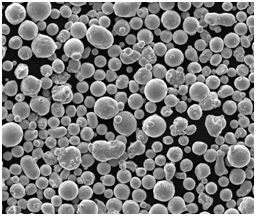
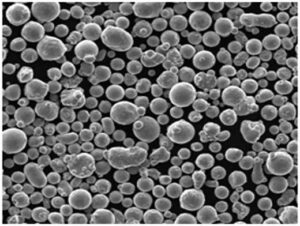
Plasma Atomisation is a groundbreaking technology that has significantly transformed the production of metal powders. This process leverages the power of plasma to atomize molten metals into fine, spherical powders, which are essential for various high-tech applications, including additive manufacturing (3D printing), aerospace, biomedical, and more. By offering unparalleled control over particle size and distribution, Plasma Atomisation ensures superior quality and consistency in metal powders.
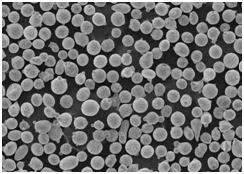
Table of Types, Composition, Properties, and Characteristics
| Metal Tozu | Kompozisyon | Mülkler | Özellikler |
|---|---|---|---|
| Titanyum (Ti) | Pure Ti, Ti-6Al-4V | Yüksek mukavemetli, hafif, korozyona dayanıklı | Spherical particles, consistent size |
| Paslanmaz Çelik | 316L, 304 | Corrosion resistance, high strength, ductility | High density, smooth surface |
| Nikel (Ni) | Pure Ni, Ni-based alloys | High temperature resistance, corrosion resistance | Fine microstructure, uniform distribution |
| Alüminyum (Al) | Pure Al, AlSi10Mg | Hafif, iyi termal iletkenlik | Fine and spherical, excellent flowability |
| Bakır (Cu) | Pure Cu, CuSn10 | Excellent electrical conductivity, malleable | Fine and spherical, high purity |
| Kobalt-Krom | CoCrMo | Yüksek aşınma direnci, biyouyumluluk | High density, smooth surface |
| Inconel | Inconel 625, Inconel 718 | Yüksek sıcaklık ve korozyon direnci | Fine and spherical, uniform distribution |
| Takım Çeliği | M2, H13 | Yüksek sertlik, aşınma direnci | Fine and spherical, excellent flowability |
| Tantal (Ta) | Pure Ta | High melting point, biocompatibility | Spherical particles, high purity |
| Tungsten (W) | Pure W, WC-Co | Yüksek yoğunluk, yüksek erime noktası | Uniform size, spherical particles |
Applications of Plasma Atomisation Metal Powders
| Uygulama | Açıklama |
|---|---|
| Katmanlı Üretim | Used in 3D printing for producing complex, high-precision parts. |
| Havacılık ve Uzay | Manufacture of lightweight, high-strength components. |
| Biyomedikal | Production of implants and prosthetics due to biocompatibility. |
| Elektronik | Used in conductive inks, coatings, and electronic components. |
| Otomotiv | Production of high-performance, durable parts. |
| Enerji | Manufacturing of components for turbines, batteries, and fuel cells. |
| Takımlama | Creation of durable and high-strength tools and molds. |
Özellikler, Boyutlar, Kaliteler, Standartlar
| Metal Tozu | Boyut Aralığı (µm) | Sınıf | Standartlar |
|---|---|---|---|
| Titanyum | 15-45, 45-105 | 5. Sınıf | ASTM F2924, AMS 4998 |
| Paslanmaz Çelik | 15-45, 45-105 | 316L, 304 | ASTM A276, ASTM F138 |
| Nikel | 15-45, 45-105 | Ni 625 | ASTM B335, ASTM F3055 |
| Alüminyum | 15-45, 45-105 | AlSi10Mg | ASTM B209, ASTM F3318 |
| Bakır | 15-45, 45-105 | CuSn10 | ASTM B152, ASTM F75 |
| Kobalt-Krom | 15-45, 45-105 | CoCrMo | ASTM F1537, ISO 5832-12 |
| Inconel | 15-45, 45-105 | 625, 718 | AMS 5666, ASTM F3055 |
| Takım Çeliği | 15-45, 45-105 | M2, H13 | ASTM A681, ISO 4957 |
| Tantal | 15-45, 45-105 | Pure Ta | ASTM B708, ISO 13782 |
| Tungsten | 15-45, 45-105 | WC-Co | ASTM B777, ISO 3317 |

Tedarikçiler ve Fiyatlandırma Detayları
| Tedarikçi | Metal Tozu | Fiyat Aralığı (kg başına) | İletişim Bilgileri |
|---|---|---|---|
| Praxair Yüzey Teknolojileri | Titanyum | $300 – $500 | www.praxairsurfacetechnologies.com |
| Marangoz Teknolojisi | Paslanmaz Çelik | $100 – $300 | www.cartech.com |
| LPW Teknoloji | Nikel | $400 – $600 | www.lpwtechnology.com |
| Equispheres | Alüminyum | $200 – $400 | www.equispheres.com |
| Sandvik | Bakır | $150 – $250 | www.home.sandvik |
| Arcam AB (GE Additive) | Kobalt-Krom | $600 – $800 | www.ge.com/additive |
| Höganäs AB | Inconel | $500 – $700 | www.hoganas.com |
| Aubert & Duval | Takım Çeliği | $200 – $400 | www.aubertduval.com |
| H.C. Starck | Tantal | $1000 – $1500 | www.hcstarck.com |
| Kennametal | Tungsten | $800 – $1200 | www.kennametal.com |
Avantajları ve Sınırlamaları Plazma Atomizasyonu
| Avantajlar | Sınırlamalar |
|---|---|
| Produces highly spherical particles | Yüksek ilk kurulum maliyeti |
| Tek tip partikül boyutu dağılımı | Özel ekipman ve uzmanlık gerektirir |
| Yüksek saflıkta tozlar | Limited to conductive metals |
| Suitable for a wide range of metals and alloys | Higher operational costs compared to other methods |
| Excellent flowability and packing density | Enerji yoğun süreç |
| Enhanced material properties for end-use applications | Not suitable for non-conductive materials |
Composition of Plasma Atomisation
Plasma Atomisation involves the use of a plasma torch to melt a metal feedstock, which is then atomized into fine droplets by a high-velocity gas stream. This process ensures a controlled and uniform particle size distribution, resulting in metal powders with superior properties.
The composition of the metal powders produced through Plasma Atomisation can vary significantly depending on the material used. For example, titanium alloys like Ti-6Al-4V are composed of titanium, aluminum, and vanadium, providing a balance of strength, lightness, and corrosion resistance. Stainless steel powders, on the other hand, consist of iron, chromium, and nickel, offering excellent durability and corrosion resistance.
Characteristics of Plasma Atomisation
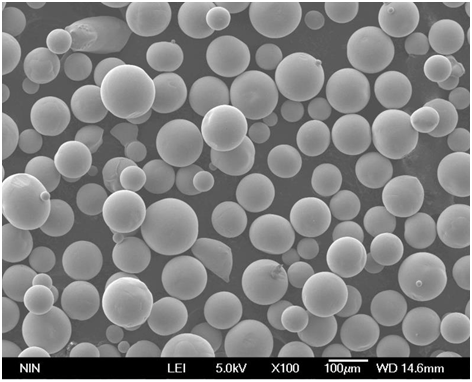
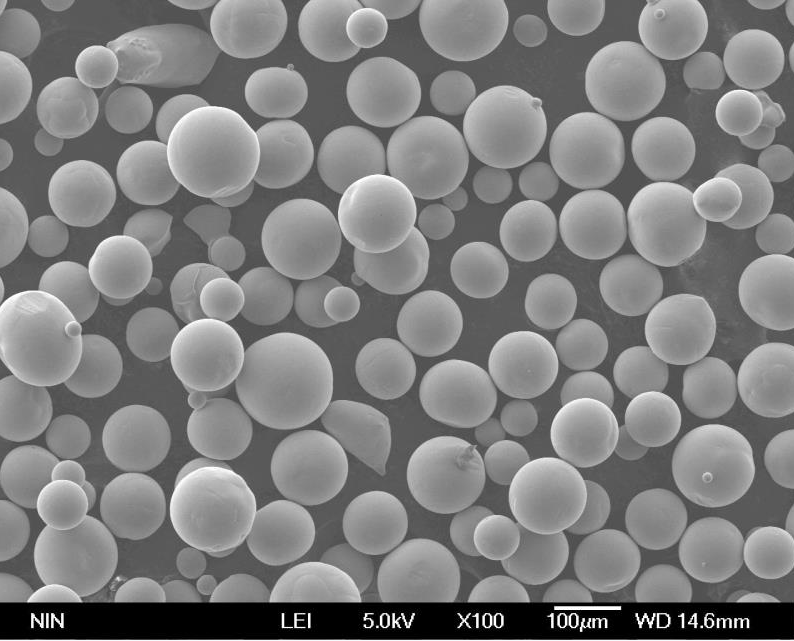
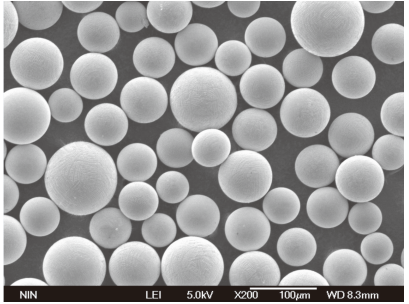
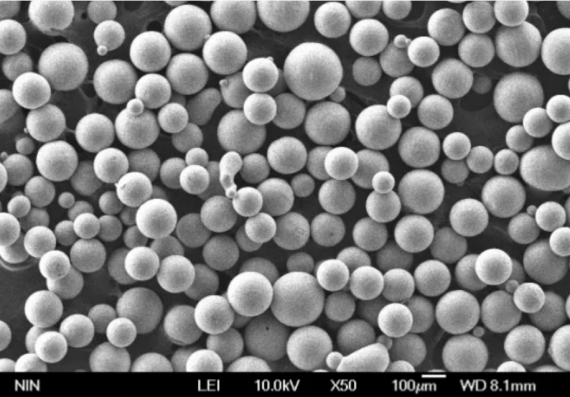
One of the defining characteristics of Plasma Atomisation is the production of highly spherical particles with a narrow size distribution. This uniformity is crucial for applications requiring precise control over powder behavior, such as additive manufacturing and high-performance coatings. The spherical shape also enhances the flowability and packing density of the powders, making them ideal for various industrial processes.
Additionally, Plasma Atomisation enables the production of metal powders with high purity levels. The process minimizes contamination and oxidation, ensuring that the powders meet stringent quality standards required for critical applications.
Advantages of Plasma Atomisation
Plasma Atomisation offers several advantages over traditional powder production methods. These include:
- High Sphericity: The process produces highly spherical particles, which improve flowability and packing density, crucial for additive manufacturing and other powder-based processes.
- Tekdüze Parçacık Boyutu Dağılımı: Consistent particle sizes enhance the performance and reliability of the end products.
- Yüksek Saflık: The controlled environment of Plasma Atomisation minimizes contamination, resulting in high-purity metal powders suitable for demanding applications.
- Çok Yönlülük: This method can be used to produce a wide range of metal powders, including those of complex alloys.
- Geliştirilmiş Malzeme Özellikleri: The fine and spherical nature of the powders enhances the mechanical properties and performance of the final products.
Applications of Plasma Atomisation
Plasma Atomisation metal powders are used across various industries due to their superior properties. In additive manufacturing, these powders enable the production of complex, high-precision parts with excellent mechanical properties. The aerospace industry utilizes these powders for manufacturing lightweight and high-strength components, while the biomedical sector relies on them for producing biocompatible implants and prosthetics.
In the electronics industry, Plasma Atomisation powders are used in conductive inks and coatings, enhancing the performance and reliability of electronic devices. The automotive industry benefits from these powders in the production of high-performance and durable parts, contributing to vehicle efficiency and safety. Additionally, the energy sector uses these powders in the manufacturing of components for turbines, batteries, and fuel cells, driving advancements in energy generation and storage technologies.
Comparing Metal Powder Models
| Metal Tozu | Avantajlar | Dezavantajlar |
|---|---|---|
| Titanyum | Lightweight, high strength, corrosion-resistant | High cost, challenging to process |
| Paslanmaz Çelik | Corrosion resistance, high strength, ductility | Heavier compared to other metals, moderate cost |
| Nikel | Yüksek sıcaklık direnci, korozyona dayanıklı | Pahalı, ağır |
| Alüminyum | Hafif, iyi termal iletkenlik | Diğer metallere kıyasla daha düşük mukavemet |
| Bakır | Excellent electrical conductivity, malleable | Heavy, prone to oxidation |
| Kobalt-Krom | Yüksek aşınma direnci, biyouyumluluk | Pahalı, işlenmesi zor |
| Inconel | Yüksek sıcaklık ve korozyon direnci | Çok pahalı, işlenmesi zor |
| Takım Çeliği | Yüksek sertlik, aşınma direnci | Heavy, can be brittle |
| Tantal | High melting point, biocompatibility | Son derece pahalı, ağır |
| Tungsten | Yüksek yoğunluk, yüksek erime noktası | Çok ağır, işlenmesi zor |
SSS
| Soru | Cevap |
|---|---|
| Nedir bu? Plazma Atomizasyonu? | Plasma Atomisation is a process that uses a plasma torch to melt and atomize metals into fine, spherical powders. |
| What are the benefits of using Plasma Atomisation? | It produces highly spherical particles with uniform size distribution and high purity, suitable for high-tech applications. |
| Which metals can be processed using Plasma Atomisation? | Metals such as titanium, stainless steel, nickel, aluminum, copper, cobalt-chrome, Inconel, tool steel, tantalum, and tungsten can be processed. |
| What are the common applications of Plasma Atomisation powders? | Applications include additive manufacturing, aerospace, biomedical, electronics, automotive, and energy sectors. |
| How does Plasma Atomisation compare to other methods? | It offers better particle uniformity, purity, and sphericity compared to traditional methods, but it is more costly and energy-intensive. |
| What are the key characteristics of Plasma Atomisation powders? | High sphericity, uniform particle size distribution, high purity, and excellent flowability are key characteristics. |
| Can non-conductive materials be processed with Plasma Atomisation? | No, Plasma Atomisation is limited to conductive metals. |
| What are the limitations of Plasma Atomisation? | High initial setup cost, energy-intensive process, and limited to conductive metals. |
| Are there any specific standards for Plasma Atomisation powders? | Yes, various standards such as ASTM, AMS, and ISO apply to different metal powders. |
| How do I select the right supplier for Plasma Atomisation powders? | Consider factors like metal powder quality, pricing, certifications, and supplier reputation when selecting. |