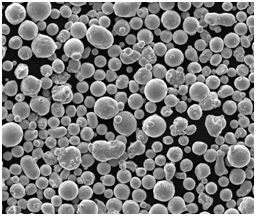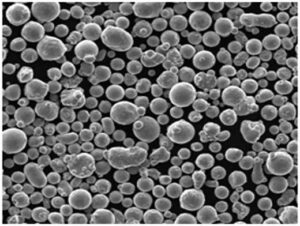
لمحة عامة عن التذرية بالبلازما
Plasma Atomisation is a groundbreaking technology that has significantly transformed the production of metal powders. This process leverages the power of plasma to atomize molten metals into fine, spherical powders, which are essential for various high-tech applications, including additive manufacturing (3D printing), aerospace, biomedical, and more. By offering unparalleled control over particle size and distribution, Plasma Atomisation ensures superior quality and consistency in metal powders.
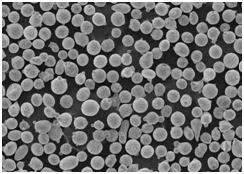
Table of Types, Composition, Properties, and Characteristics
| المسحوق المعدني | التركيب | الخصائص | صفات |
|---|---|---|---|
| التيتانيوم (Ti) | Pure Ti, Ti-6Al-4V | متانة عالية وخفيفة الوزن ومقاومة للتآكل | Spherical particles, consistent size |
| الفولاذ المقاوم للصدأ | 316L, 304 | Corrosion resistance, high strength, ductility | High density, smooth surface |
| النيكل (ني) | Pure Ni, Ni-based alloys | High temperature resistance, corrosion resistance | Fine microstructure, uniform distribution |
| الألومنيوم (Al) | Pure Al, AlSi10Mg | خفيف الوزن وموصلية حرارية جيدة | Fine and spherical, excellent flowability |
| النحاس (النحاس) | Pure Cu, CuSn10 | Excellent electrical conductivity, malleable | Fine and spherical, high purity |
| الكوبالت-الكروم | CoCrMo | مقاومة عالية للتآكل، وتوافق حيوي | High density, smooth surface |
| إنكونيل | الإينكونيل 625، الإينكونيل 718 | مقاومة درجات الحرارة العالية والتآكل | Fine and spherical, uniform distribution |
| فولاذ الأدوات | M2, H13 | صلابة عالية، مقاومة للتآكل | Fine and spherical, excellent flowability |
| التنتالوم (Ta) | Pure Ta | High melting point, biocompatibility | Spherical particles, high purity |
| التنجستن (W) | Pure W, WC-Co | كثافة عالية، درجة انصهار عالية | Uniform size, spherical particles |
Applications of Plasma Atomisation Metal Powders
| طلب | الوصف |
|---|---|
| التصنيع الإضافي | Used in 3D printing for producing complex, high-precision parts. |
| الفضاء | Manufacture of lightweight, high-strength components. |
| الطب الحيوي | Production of implants and prosthetics due to biocompatibility. |
| الإلكترونيات | Used in conductive inks, coatings, and electronic components. |
| السيارات | Production of high-performance, durable parts. |
| الطاقة | Manufacturing of components for turbines, batteries, and fuel cells. |
| الأدوات | Creation of durable and high-strength tools and molds. |
المواصفات والمقاسات والدرجات والمعايير
| المسحوق المعدني | نطاق الحجم (ميكرومتر) | الصف | المعايير |
|---|---|---|---|
| التيتانيوم | 15-45, 45-105 | الصف الخامس | أستم F2924، أم أس 4998 |
| الفولاذ المقاوم للصدأ | 15-45, 45-105 | 316L, 304 | أستم A276، أستم f138 |
| نيكل | 15-45, 45-105 | Ni 625 | ASTM B335, ASTM F3055 |
| ألومنيوم | 15-45, 45-105 | AlSi10 ملغ | ASTM B209, ASTM F3318 |
| النحاس | 15-45, 45-105 | النحاس 10 | ASTM B152, ASTM F75 |
| الكوبالت-الكروم | 15-45, 45-105 | CoCrMo | ASTM F1537، ISO 5832-12 |
| إنكونيل | 15-45, 45-105 | 625, 718 | AMS 5666, ASTM F3055 |
| فولاذ الأدوات | 15-45, 45-105 | M2, H13 | A681 astm A681، ISO 4957 |
| التنتالوم | 15-45, 45-105 | Pure Ta | ASTM B708, ISO 13782 |
| التنغستن | 15-45, 45-105 | WC-Co | ASTM B777, ISO 3317 |

تفاصيل الموردين والأسعار
| المورد | المسحوق المعدني | نطاق السعر (لكل كيلوغرام) | معلومات الاتصال |
|---|---|---|---|
| براكسير للتقنيات السطحية | التيتانيوم | $300 – $500 | www.praxairsurfacetechnologies.com |
| تكنولوجيا النجار | الفولاذ المقاوم للصدأ | $100 – $300 | www.cartech.com |
| تقنية LPW | نيكل | $400 – $600 | www.lpwtechnology.com |
| Equispheres | ألومنيوم | $200 – $400 | www.equispheres.com |
| ساندفيك | النحاس | $150 – $250 | www.home.sandvik |
| أركام إيه بي (GE Additive) | الكوبالت-الكروم | $600 – $800 | www.ge.com/additive |
| هوغاناس إيه بي | إنكونيل | $500 – $700 | www.hoganas.com |
| أوبير ودوفال | فولاذ الأدوات | $200 – $400 | www.aubertduval.com |
| إتش سي ستارك | التنتالوم | $1000 – $1500 | www.hcstarck.com |
| كيناميتال | التنغستن | $800 – $1200 | www.kennametal.com |
مزايا وقيود التذرية بالبلازما
| مزايا | محددات |
|---|---|
| Produces highly spherical particles | تكلفة إعداد أولية عالية |
| توزيع موحد لحجم الجسيمات | يتطلب معدات وخبرة متخصصة |
| مساحيق عالية النقاء | Limited to conductive metals |
| Suitable for a wide range of metals and alloys | Higher operational costs compared to other methods |
| Excellent flowability and packing density | عملية كثيفة الاستهلاك للطاقة |
| Enhanced material properties for end-use applications | Not suitable for non-conductive materials |
Composition of Plasma Atomisation
Plasma Atomisation involves the use of a plasma torch to melt a metal feedstock, which is then atomized into fine droplets by a high-velocity gas stream. This process ensures a controlled and uniform particle size distribution, resulting in metal powders with superior properties.
The composition of the metal powders produced through Plasma Atomisation can vary significantly depending on the material used. For example, titanium alloys like Ti-6Al-4V are composed of titanium, aluminum, and vanadium, providing a balance of strength, lightness, and corrosion resistance. Stainless steel powders, on the other hand, consist of iron, chromium, and nickel, offering excellent durability and corrosion resistance.
Characteristics of Plasma Atomisation
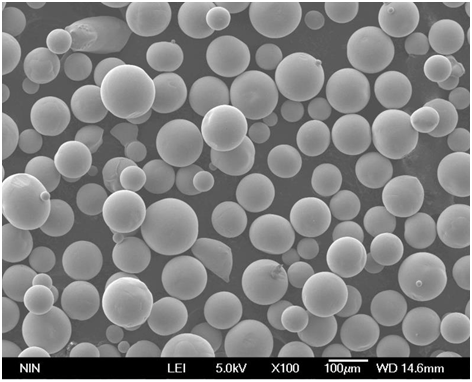
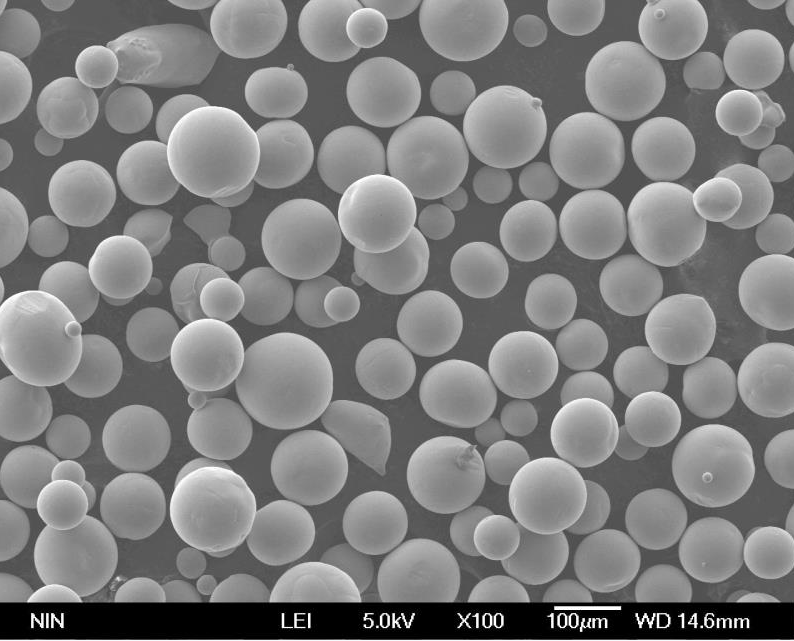
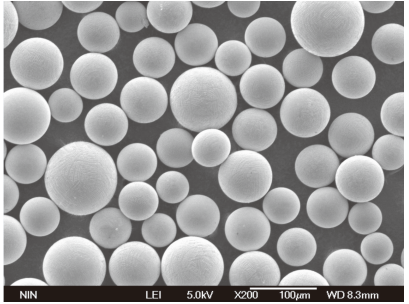
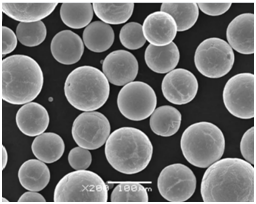
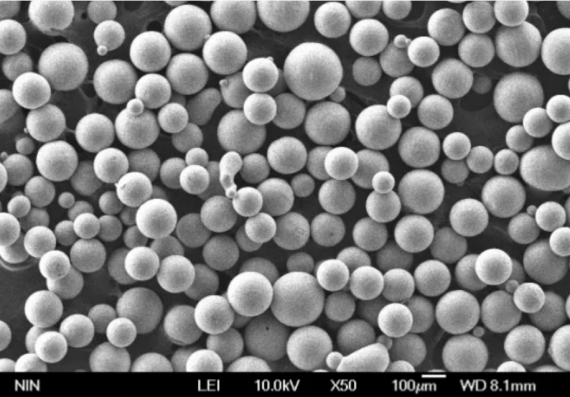
One of the defining characteristics of Plasma Atomisation is the production of highly spherical particles with a narrow size distribution. This uniformity is crucial for applications requiring precise control over powder behavior, such as additive manufacturing and high-performance coatings. The spherical shape also enhances the flowability and packing density of the powders, making them ideal for various industrial processes.
Additionally, Plasma Atomisation enables the production of metal powders with high purity levels. The process minimizes contamination and oxidation, ensuring that the powders meet stringent quality standards required for critical applications.
Advantages of Plasma Atomisation
Plasma Atomisation offers several advantages over traditional powder production methods. These include:
- High Sphericity: The process produces highly spherical particles, which improve flowability and packing density, crucial for additive manufacturing and other powder-based processes.
- توزيع حجم الجسيمات المنتظم: Consistent particle sizes enhance the performance and reliability of the end products.
- عالية النقاء: The controlled environment of Plasma Atomisation minimizes contamination, resulting in high-purity metal powders suitable for demanding applications.
- تعدد الاستخدامات: This method can be used to produce a wide range of metal powders, including those of complex alloys.
- خصائص المواد المحسّنة: The fine and spherical nature of the powders enhances the mechanical properties and performance of the final products.
Applications of Plasma Atomisation
Plasma Atomisation metal powders are used across various industries due to their superior properties. In additive manufacturing, these powders enable the production of complex, high-precision parts with excellent mechanical properties. The aerospace industry utilizes these powders for manufacturing lightweight and high-strength components, while the biomedical sector relies on them for producing biocompatible implants and prosthetics.
In the electronics industry, Plasma Atomisation powders are used in conductive inks and coatings, enhancing the performance and reliability of electronic devices. The automotive industry benefits from these powders in the production of high-performance and durable parts, contributing to vehicle efficiency and safety. Additionally, the energy sector uses these powders in the manufacturing of components for turbines, batteries, and fuel cells, driving advancements in energy generation and storage technologies.
Comparing Metal Powder Models
| المسحوق المعدني | مزايا | سلبيات |
|---|---|---|
| التيتانيوم | Lightweight, high strength, corrosion-resistant | High cost, challenging to process |
| الفولاذ المقاوم للصدأ | Corrosion resistance, high strength, ductility | Heavier compared to other metals, moderate cost |
| نيكل | مقاومة درجات الحرارة العالية، ومقاومة التآكل | باهظة الثمن وثقيلة |
| ألومنيوم | خفيف الوزن وموصلية حرارية جيدة | قوة أقل مقارنة بالمعادن الأخرى |
| النحاس | Excellent electrical conductivity, malleable | Heavy, prone to oxidation |
| الكوبالت-الكروم | مقاومة عالية للتآكل، وتوافق حيوي | باهظة الثمن وصعبة التشغيل الآلي |
| إنكونيل | مقاومة درجات الحرارة العالية والتآكل | مكلفة جدًا، ويمثل تحديًا في المعالجة |
| فولاذ الأدوات | صلابة عالية، مقاومة للتآكل | Heavy, can be brittle |
| التنتالوم | High melting point, biocompatibility | باهظة الثمن وثقيلة للغاية |
| التنغستن | كثافة عالية، درجة انصهار عالية | ثقيلة جداً وصعبة المعالجة |
التعليمات
| سؤال | الإجابة |
|---|---|
| ما هو التذرية بالبلازما? | Plasma Atomisation is a process that uses a plasma torch to melt and atomize metals into fine, spherical powders. |
| What are the benefits of using Plasma Atomisation? | It produces highly spherical particles with uniform size distribution and high purity, suitable for high-tech applications. |
| Which metals can be processed using Plasma Atomisation? | Metals such as titanium, stainless steel, nickel, aluminum, copper, cobalt-chrome, Inconel, tool steel, tantalum, and tungsten can be processed. |
| What are the common applications of Plasma Atomisation powders? | Applications include additive manufacturing, aerospace, biomedical, electronics, automotive, and energy sectors. |
| How does Plasma Atomisation compare to other methods? | It offers better particle uniformity, purity, and sphericity compared to traditional methods, but it is more costly and energy-intensive. |
| What are the key characteristics of Plasma Atomisation powders? | High sphericity, uniform particle size distribution, high purity, and excellent flowability are key characteristics. |
| Can non-conductive materials be processed with Plasma Atomisation? | No, Plasma Atomisation is limited to conductive metals. |
| What are the limitations of Plasma Atomisation? | High initial setup cost, energy-intensive process, and limited to conductive metals. |
| Are there any specific standards for Plasma Atomisation powders? | Yes, various standards such as ASTM, AMS, and ISO apply to different metal powders. |
| How do I select the right supplier for Plasma Atomisation powders? | Consider factors like metal powder quality, pricing, certifications, and supplier reputation when selecting. |