概要 プラズマ霧化
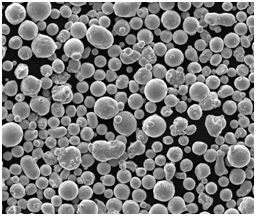
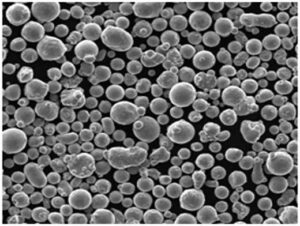
プラズマ噴霧法は、金属粉末の製造に大きな変革をもたらした画期的な技術です。このプロセスでは、プラズマの力を活用して溶融金属を微細な球状粉末に噴霧します。この粉末は、積層造形(3Dプリンティング)、航空宇宙、バイオメディカルなど、さまざまなハイテク分野において不可欠なものです。 粒子径や粒度分布を比類のない精度で制御できるプラズマアトマイズ法により、金属粉末の優れた品質と均一性が確保されます。.
種類、組成、性質、および特徴の一覧表
| 金属粉 | 構成 | プロパティ | 特徴 |
|---|---|---|---|
| チタン(Ti) | 純チタン、Ti-6Al-4V | 高強度、軽量、耐食性 | 球状の粒子、均一なサイズ |
| ステンレス鋼 | 316L、304 | 耐食性、高強度、延性 | 高密度で、表面が滑らか |
| ニッケル(Ni) | 純ニッケル、ニッケル系合金 | 耐熱性、耐食性 | 微細な組織、均一な分布 |
| アルミニウム(Al) | 純アルミニウム、AlSi10Mg | 軽量、良好な熱伝導性 | きめが細かく球状で、流動性に優れている |
| 銅(Cu) | 純銅、CuSn10 | 優れた導電性を持ち、展性がある | 微細で球状、高純度 |
| コバルト・クロム | CoCrMo | 高い耐摩耗性、生体適合性 | 高密度で、表面が滑らか |
| インコネル | インコネル625、インコネル718 | 高温および耐食性 | きめ細やかで球状、均一に分布している |
| 工具鋼 | M2、H13 | 高硬度、耐摩耗性 | きめが細かく球状で、流動性に優れている |
| タンタル (Ta) | ピュア・タ | 融点が高く、生体適合性がある | 球状粒子、高純度 |
| タングステン(W) | ピュアW、WC-Co | 高密度、高融点 | 均一な大きさの球状粒子 |
プラズマ噴霧法を用いた金属粉末の応用
| 申し込み | 説明 |
|---|---|
| 付加製造 | 3Dプリントにおいて、複雑で高精度な部品の製造に使用されます。. |
| 航空宇宙 | 軽量かつ高強度の部品の製造。. |
| バイオメディカル | 生体適合性に基づくインプラントおよび補綴物の製造。. |
| エレクトロニクス | 導電性インク、コーティング、および電子部品に使用されます。. |
| 自動車 | 高性能で耐久性に優れた部品の製造。. |
| エネルギー | タービン、バッテリー、燃料電池用部品の製造。. |
| 工具 | 耐久性が高く、高強度の工具や金型の製造。. |
仕様、サイズ、等級、規格
| 金属粉 | サイズ範囲 (µm) | グレード | 規格 |
|---|---|---|---|
| チタン | 15-45, 45-105 | グレード5 | アストマ F2924、アムス 4998 |
| ステンレス鋼 | 15-45, 45-105 | 316L、304 | アストレムA276、アストレムF138 |
| ニッケル | 15-45, 45-105 | Ni 625 | ASTM B335、ASTM F3055 |
| アルミニウム | 15-45, 45-105 | AlSi10Mg | ASTM B209、ASTM F3318 |
| 銅 | 15-45, 45-105 | CuSn10 | ASTM B152、ASTM F75 |
| コバルト・クロム | 15-45, 45-105 | CoCrMo | ASTM F1537、ISO 5832-12 |
| インコネル | 15-45, 45-105 | 625, 718 | AMS 5666、ASTM F3055 |
| 工具鋼 | 15-45, 45-105 | M2、H13 | A681, ISO 4957 |
| タンタル | 15-45, 45-105 | ピュア・タ | ASTM B708、ISO 13782 |
| タングステン | 15-45, 45-105 | WC-コ | ASTM B777、ISO 3317 |

サプライヤーと価格詳細
| サプライヤー | 金属粉 | 価格帯(kgあたり) | 連絡先 |
|---|---|---|---|
| プラクセア・サーフェス・テクノロジー | チタン | $300 – $500 | www.praxairsurfacetechnologies.com |
| カーペンター・テクノロジー | ステンレス鋼 | $100 – $300 | www.cartech.com |
| LPWテクノロジー | ニッケル | $400 – $600 | www.lpwtechnology.com |
| エクイスフィアーズ | アルミニウム | $200 – $400 | www.equispheres.com |
| サンドビック | 銅 | $150 – $250 | www.home.sandvik |
| アルカムAB(GEアディティブ) | コバルト・クロム | $600 – $800 | www.ge.com/additive |
| ヘガネスAB | インコネル | $500 – $700 | www.hoganas.com |
| オベール&デュバル | 工具鋼 | $200 – $400 | www.aubertduval.com |
| H.C.スタルク | タンタル | $1000 – $1500 | www.hcstarck.com |
| ケナメタル | タングステン | $800 – $1200 | www.kennametal.com |
の利点と限界 プラズマ霧化
| メリット | 制限事項 |
|---|---|
| 球形度の高い粒子を生成する | 高い初期設定費用 |
| 均一な粒度分布 | 特殊な設備と専門知識が必要 |
| 高純度パウダー | 導電性金属に限定される |
| 幅広い種類の金属や合金に適しています | 他の方法に比べて運用コストが高い |
| 優れた流動性と充填密度 | エネルギー集約型プロセス |
| 最終用途に向けた材料特性の向上 | 非導電性材料には適していません |
プラズマアトマイゼーションの構成
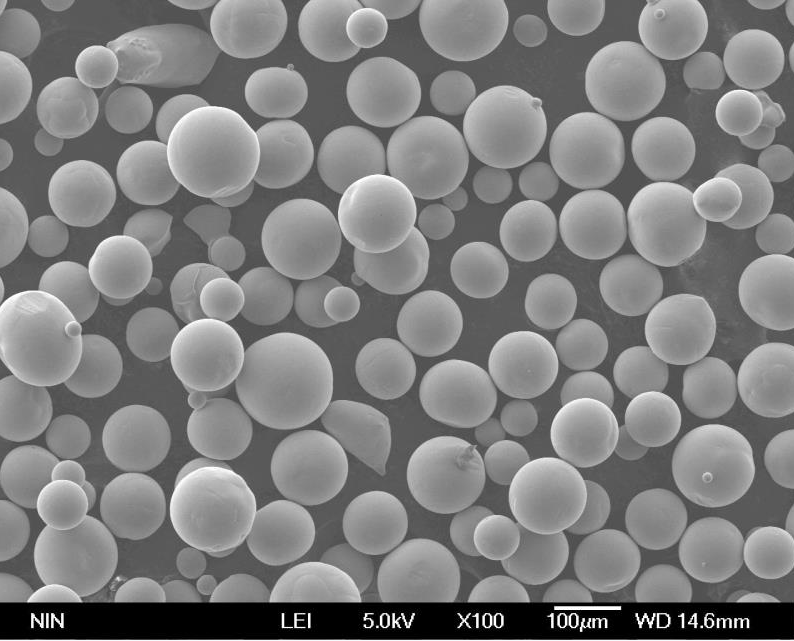
プラズマアトマイズ法では、プラズマトーチを用いて金属原料を溶融させ、その後、高速の気流によって微細な液滴に霧化します。このプロセスにより、粒子径分布を制御し均一化することができ、優れた特性を持つ金属粉末が得られます。.
プラズマアトマイゼーションによって製造される金属粉末の組成は、使用する材料によって大きく異なります。例えば、Ti-6Al-4Vのようなチタン合金は、チタン、アルミニウム、バナジウムで構成されており、強度、軽量性、耐食性のバランスに優れています。 一方、ステンレス鋼粉末は鉄、クロム、ニッケルから構成されており、優れた耐久性と耐食性を備えています。.
プラズマ噴霧の特徴
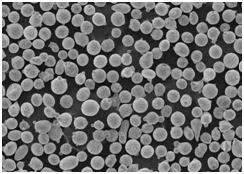
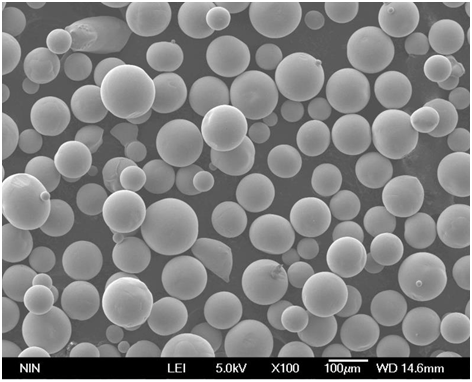
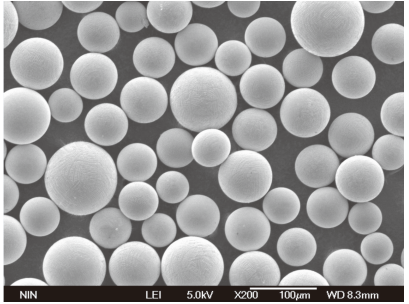
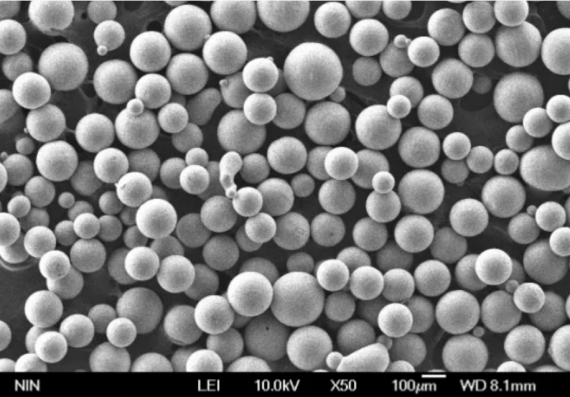
プラズマアトマイズ法の最大の特徴の一つは、粒子径分布が狭く、極めて球形の粒子を生成できることです。この均一性は、積層造形や高性能コーティングなど、粉末の挙動を精密に制御する必要がある用途において極めて重要です。また、球形であることで粉末の流動性や充填密度が向上するため、さまざまな工業プロセスに最適です。.
さらに、プラズマアトマイズ法により、高純度の金属粉末を製造することが可能です。このプロセスでは、汚染や酸化を最小限に抑えることで、重要な用途に求められる厳しい品質基準を粉末が確実に満たすようにしています。.
プラズマ噴霧法の利点
プラズマ噴霧法は、従来の粉末製造方法に比べていくつかの利点があります。その利点には、次のようなものがあります。
- 高い真球度: このプロセスにより、極めて球形の粒子が生成され、これにより流動性や充填密度が向上します。これらは、積層造形やその他の粉末を用いたプロセスにおいて極めて重要です。.
- 均一な粒度分布: 粒子径が均一であることは、最終製品の性能と信頼性を高める。.
- 高純度: プラズマアトマイゼーションの制御された環境により、汚染を最小限に抑えることができ、その結果、要求の厳しい用途に適した高純度の金属粉末が得られます。.
- 汎用性: この方法は、複雑な合金を含む幅広い種類の金属粉末の製造に利用できます。.
- 材料特性の向上: 粉末が微細かつ球状であるため、最終製品の機械的特性と性能が向上する。.
プラズマ噴霧法の応用
プラズマアトマイズ法で製造された金属粉末は、その優れた特性からさまざまな産業分野で利用されています。積層造形においては、これらの粉末を用いることで、優れた機械的特性を備えた複雑で高精度な部品の製造が可能となります。 航空宇宙産業では、軽量かつ高強度の部品の製造にこれらの粉末が活用されており、一方、生物医学分野では、生体適合性のあるインプラントや義肢の製造にこれらの粉末が活用されています。.
エレクトロニクス業界では、プラズマアトマイズ法で製造された粉末が導電性インクやコーティングに使用され、電子機器の性能と信頼性を高めています。自動車業界では、これらの粉末が高性能で耐久性に優れた部品の製造に活用され、車両の効率性と安全性向上に寄与しています。 さらに、エネルギー分野では、タービン、バッテリー、燃料電池の部品製造にこれらの粉末が使用されており、発電および蓄電技術の進歩を牽引しています。.
金属粉末モデルの比較
| 金属粉 | メリット | デメリット |
|---|---|---|
| チタン | 軽量、高強度、耐食性 | コストが高く、加工が困難 |
| ステンレス鋼 | 耐食性、高強度、延性 | 他の金属に比べて重く、価格は手頃 |
| ニッケル | 耐高温性、耐食性 | 高い、重い |
| アルミニウム | 軽量、良好な熱伝導性 | 他の金属に比べて強度が低い |
| 銅 | 優れた導電性を持ち、展性がある | 重く、酸化しやすい |
| コバルト・クロム | 高い耐摩耗性、生体適合性 | 高価、機械加工が難しい |
| インコネル | 高温および耐食性 | 非常に高価で、加工が難しい |
| 工具鋼 | 高硬度、耐摩耗性 | 重く、もろくなることがある |
| タンタル | 融点が高く、生体適合性がある | 非常に高価で重い |
| タングステン | 高密度、高融点 | 非常に重く、加工が難しい |
よくある質問
| 質問 | 回答 |
|---|---|
| 何なのか? プラズマ霧化? | プラズマアトマイズは、プラズマトーチを用いて金属を溶融・微細化させ、微細な球状の粉末にするプロセスです。. |
| プラズマアトマイゼーションを利用することには、どのようなメリットがありますか? | この装置は、粒子径分布が均一で高純度の、極めて球形の粒子を生成し、ハイテク用途に適しています。. |
| プラズマアトマイゼーションを用いて加工できる金属にはどのようなものがありますか? | チタン、ステンレス鋼、ニッケル、アルミニウム、銅、コバルト・クロム合金、インコネル、工具鋼、タンタル、タングステンなどの金属を加工することができます。. |
| プラズマアトマイゼーション用粉末の一般的な用途にはどのようなものがありますか? | 主な用途としては、積層造形、航空宇宙、バイオメディカル、エレクトロニクス、自動車、エネルギー分野などが挙げられます。. |
| プラズマアトマイゼーションは、他の方法と比べてどうでしょうか? | 従来の方法に比べ、粒子の均一性、純度、真球度が向上しますが、コストが高く、エネルギー消費も大きくなります。. |
| プラズマアトマイゼーション用粉末の主な特徴は何ですか? | 高い真球度、均一な粒子径分布、高純度、そして優れた流動性が主な特徴です。. |
| 非導電性材料は、プラズマアトマイゼーションで加工できますか? | いいえ、プラズマアトマイズ法は導電性金属に限定されます。. |
| プラズマアトマイゼーションにはどのような制限がありますか? | 初期導入コストが高く、エネルギーを大量に消費するプロセスであり、導電性金属に限定される。. |
| プラズマアトマイゼーション用粉末について、具体的な規格はありますか? | はい、ASTM、AMS、ISOなどのさまざまな規格が、金属粉末の種類ごとに適用されています。. |
| プラズマアトマイズ用粉末の適切なサプライヤーをどのように選べばよいでしょうか? | 選定にあたっては、金属粉末の品質、価格、認証、サプライヤーの評判などの要素を考慮してください。. |