Visão geral de Atomização por plasma
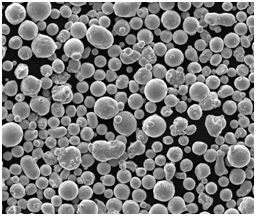
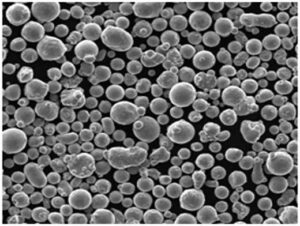
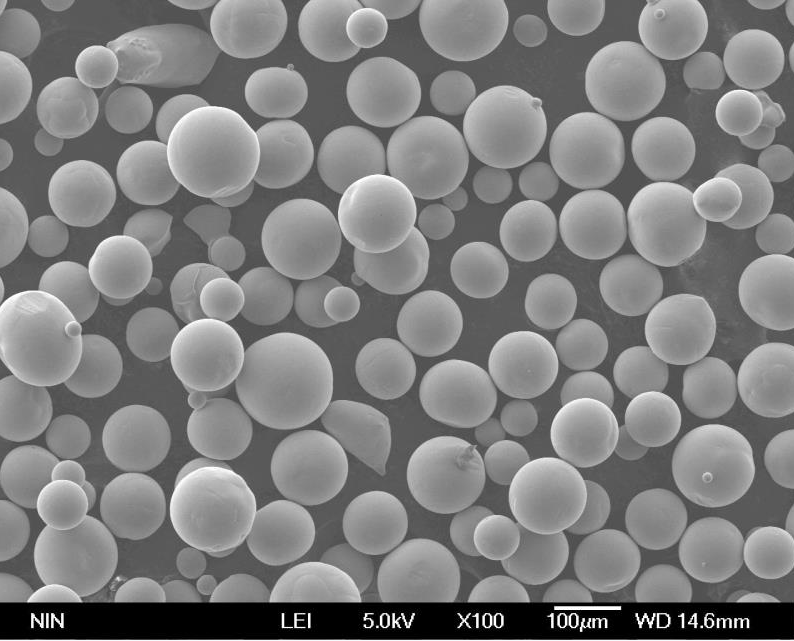
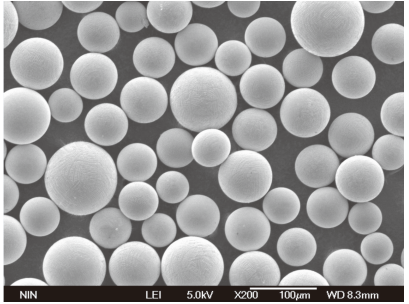
A atomização por plasma é uma tecnologia inovadora que transformou significativamente a produção de pós metálicos. Esse processo aproveita o poder do plasma para atomizar metais fundidos, transformando-os em pós finos e esféricos, essenciais para diversas aplicações de alta tecnologia, incluindo manufatura aditiva (impressão 3D), setor aeroespacial, biomédico e muito mais. Ao oferecer um controle incomparável sobre o tamanho e a distribuição das partículas, a atomização por plasma garante qualidade e consistência superiores nos pós metálicos.
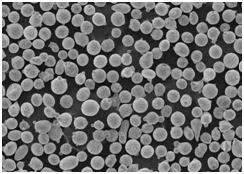
Tabela de Tipos, Composição, Propriedades e Características
| Pó metálico | Composição | Propriedades | Características |
|---|---|---|---|
| Titânio (Ti) | Titanio puro, Ti-6Al-4V | Alta resistência, leve, resistente à corrosão | Partículas esféricas, de tamanho uniforme |
| Aço inoxidável | 316L, 304 | Resistência à corrosão, alta resistência mecânica, ductilidade | Alta densidade, superfície lisa |
| Níquel (Ni) | Níquel puro, ligas à base de níquel | Resistência a altas temperaturas, resistência à corrosão | Microestrutura fina, distribuição uniforme |
| Alumínio (Al) | Al puro, AlSi10Mg | Leve, com boa condutividade térmica | Fino e esférico, com excelente fluidez |
| Cobre (Cu) | Cobre puro, CuSn10 | Excelente condutividade elétrica, maleável | Fina e esférica, de alta pureza |
| Cobalto-cromo | CoCrMo | Alta resistência ao desgaste, biocompatibilidade | Alta densidade, superfície lisa |
| Inconel | Inconel 625, Inconel 718 | Alta temperatura e resistência à corrosão | Fina e esférica, com distribuição uniforme |
| Aço para ferramentas | M2, H13 | Alta dureza, resistência ao desgaste | Fino e esférico, com excelente fluidez |
| Tântalo (Ta) | Pure Ta | Alto ponto de fusão, biocompatibilidade | Partículas esféricas, alta pureza |
| Tungstênio (W) | W puro, WC-Co | Alta densidade, alto ponto de fusão | Partículas esféricas de tamanho uniforme |
Aplicações dos pós metálicos obtidos por atomização a plasma
| Aplicativo | Descrição |
|---|---|
| Manufatura Aditiva | Utilizado na impressão 3D para a produção de peças complexas e de alta precisão. |
| Aeroespacial | Fabricação de componentes leves e de alta resistência. |
| Biomédico | Fabricação de implantes e próteses devido à biocompatibilidade. |
| Eletrônicos | Utilizado em tintas condutoras, revestimentos e componentes eletrônicos. |
| Automotivo | Fabricação de peças duráveis e de alto desempenho. |
| Energia | Fabricação de componentes para turbinas, baterias e células de combustível. |
| Ferramentas | Fabricação de ferramentas e moldes duráveis e de alta resistência. |
Especificações, tamanhos, graus, padrões
| Pó metálico | Faixa de tamanho (µm) | Grau | Padrões |
|---|---|---|---|
| Titânio | 15-45, 45-105 | Grau 5 | ASTM F2924, AMS 4998 |
| Aço inoxidável | 15-45, 45-105 | 316L, 304 | ASTM A276, ASTM F138 |
| Níquel | 15-45, 45-105 | Ni 625 | ASTM B335, ASTM F3055 |
| Alumínio | 15-45, 45-105 | AlSi10Mg | ASTM B209, ASTM F3318 |
| Cobre | 15-45, 45-105 | CuSn10 | ASTM B152, ASTM F75 |
| Cobalto-cromo | 15-45, 45-105 | CoCrMo | ASTM F1537, ISO 5832-12 |
| Inconel | 15-45, 45-105 | 625, 718 | AMS 5666, ASTM F3055 |
| Aço para ferramentas | 15-45, 45-105 | M2, H13 | ASTM A681, ISO 4957 |
| Tântalo | 15-45, 45-105 | Pure Ta | ASTM B708, ISO 13782 |
| Tungstênio | 15-45, 45-105 | WC-Co | ASTM B777, ISO 3317 |

Detalhes de fornecedores e preços
| Fornecedor | Pó metálico | Faixa de preço (por kg) | Informações de contato |
|---|---|---|---|
| Tecnologias de superfície da Praxair | Titânio | $300 – $500 | www.praxairsurfacetechnologies.com |
| Tecnologia Carpenter | Aço inoxidável | $100 – $300 | www.cartech.com |
| Tecnologia LPW | Níquel | $400 – $600 | www.lpwtechnology.com |
| Equiesferas | Alumínio | $200 – $400 | www.equispheres.com |
| Sandvik | Cobre | $150 – $250 | www.home.sandvik |
| Arcam AB (GE Additive) | Cobalto-cromo | $600 – $800 | www.ge.com/additive |
| Höganäs AB | Inconel | $500 – $700 | www.hoganas.com |
| Aubert e Duval | Aço para ferramentas | $200 – $400 | www.aubertduval.com |
| H.C. Starck | Tântalo | $1000 – $1500 | www.hcstarck.com |
| Kennametal | Tungstênio | $800 – $1200 | www.kennametal.com |
Vantagens e limitações do Atomização por plasma
| Vantagens | Limitações |
|---|---|
| Produz partículas altamente esféricas | Alto custo de configuração inicial |
| Distribuição uniforme do tamanho das partículas | Requer equipamentos e conhecimentos especializados |
| Pós de alta pureza | Limitado a metais condutores |
| Adequado para uma ampla variedade de metais e ligas | Custos operacionais mais elevados em comparação com outros métodos |
| Excelente fluidez e densidade de compactação | Processo com uso intensivo de energia |
| Propriedades aprimoradas dos materiais para aplicações finais | Não é adequado para materiais não condutores |
Composição da atomização por plasma
A atomização por plasma envolve o uso de uma tocha de plasma para derreter uma matéria-prima metálica, que é então atomizada em gotículas finas por uma corrente de gás em alta velocidade. Esse processo garante uma distribuição controlada e uniforme do tamanho das partículas, resultando em pós metálicos com propriedades superiores.
A composição dos pós metálicos produzidos por atomização a plasma pode variar significativamente, dependendo do material utilizado. Por exemplo, ligas de titânio como a Ti-6Al-4V são compostas por titânio, alumínio e vanádio, proporcionando um equilíbrio entre resistência, leveza e resistência à corrosão. Os pós de aço inoxidável, por outro lado, consistem em ferro, cromo e níquel, oferecendo excelente durabilidade e resistência à corrosão.
Características da atomização por plasma
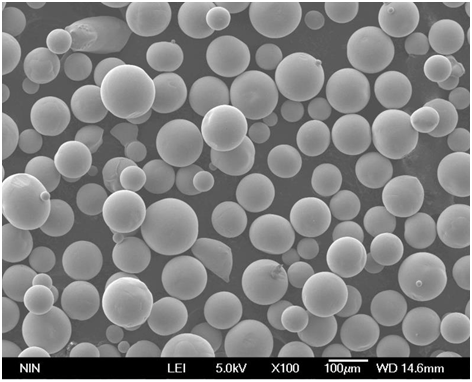
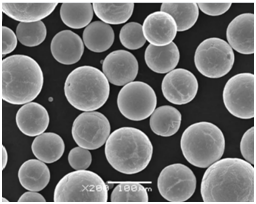
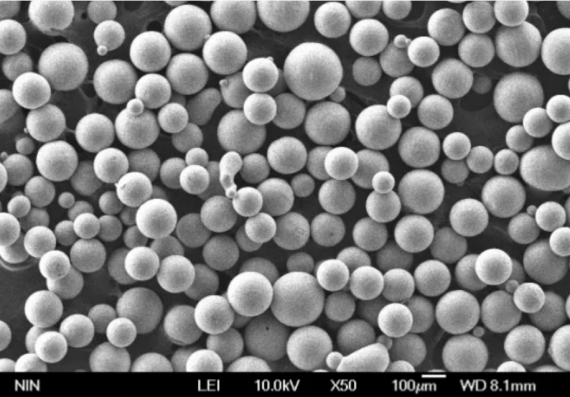
Uma das características marcantes da atomização por plasma é a produção de partículas altamente esféricas com uma distribuição granulométrica estreita. Essa uniformidade é fundamental para aplicações que exigem controle preciso sobre o comportamento do pó, como a manufatura aditiva e revestimentos de alto desempenho. A forma esférica também melhora a fluidez e a densidade de compactação dos pós, tornando-os ideais para diversos processos industriais.
Além disso, a atomização por plasma permite a produção de pós metálicos com altos níveis de pureza. O processo minimiza a contaminação e a oxidação, garantindo que os pós atendam aos rigorosos padrões de qualidade exigidos para aplicações críticas.
Vantagens da atomização por plasma
A atomização por plasma oferece várias vantagens em relação aos métodos tradicionais de produção de pó. Entre elas estão:
- Alta esfericidade: O processo produz partículas altamente esféricas, que melhoram a fluidez e a densidade de compactação, fatores cruciais para a manufatura aditiva e outros processos à base de pó.
- Distribuição uniforme do tamanho das partículas: Partículas de tamanhos uniformes melhoram o desempenho e a confiabilidade dos produtos finais.
- Alta pureza: O ambiente controlado da atomização por plasma minimiza a contaminação, resultando em pós metálicos de alta pureza, adequados para aplicações exigentes.
- Versatilidade: Esse método pode ser utilizado para produzir uma ampla variedade de pós metálicos, incluindo os de ligas complexas.
- Propriedades aprimoradas do material: A textura fina e esférica dos pós melhora as propriedades mecânicas e o desempenho dos produtos finais.
Aplicações da atomização por plasma
Os pós metálicos obtidos por atomização a plasma são utilizados em diversos setores devido às suas propriedades superiores. Na manufatura aditiva, esses pós permitem a produção de peças complexas e de alta precisão com excelentes propriedades mecânicas. A indústria aeroespacial utiliza esses pós para fabricar componentes leves e de alta resistência, enquanto o setor biomédico conta com eles para a produção de implantes e próteses biocompatíveis.
Na indústria eletrônica, os pós obtidos por atomização a plasma são utilizados em tintas e revestimentos condutores, melhorando o desempenho e a confiabilidade dos dispositivos eletrônicos. A indústria automotiva se beneficia desses pós na produção de peças duráveis e de alto desempenho, contribuindo para a eficiência e a segurança dos veículos. Além disso, o setor de energia utiliza esses pós na fabricação de componentes para turbinas, baterias e células de combustível, impulsionando avanços nas tecnologias de geração e armazenamento de energia.
Comparação entre modelos de pó metálico
| Pó metálico | Vantagens | Desvantagens |
|---|---|---|
| Titânio | Leve, de alta resistência, resistente à corrosão | Custo elevado, difícil de processar |
| Aço inoxidável | Resistência à corrosão, alta resistência mecânica, ductilidade | Mais pesado em comparação com outros metais; custo moderado |
| Níquel | Resistência a altas temperaturas, resistente à corrosão | Caro, pesado |
| Alumínio | Leve, com boa condutividade térmica | Menor resistência em comparação com outros metais |
| Cobre | Excelente condutividade elétrica, maleável | Pesado, propenso à oxidação |
| Cobalto-cromo | Alta resistência ao desgaste, biocompatibilidade | Caro, difícil de usinar |
| Inconel | Alta temperatura e resistência à corrosão | Muito caro, difícil de processar |
| Aço para ferramentas | Alta dureza, resistência ao desgaste | Pesado, pode ser frágil |
| Tântalo | Alto ponto de fusão, biocompatibilidade | Extremamente caro, pesado |
| Tungstênio | Alta densidade, alto ponto de fusão | Muito pesado, difícil de processar |
Perguntas frequentes
| Pergunta | Resposta |
|---|---|
| O que é Atomização por plasma? | A atomização por plasma é um processo que utiliza uma tocha de plasma para derreter e atomizar metais, transformando-os em pós finos e esféricos. |
| Quais são os benefícios do uso da atomização por plasma? | Produz partículas altamente esféricas, com distribuição granulométrica uniforme e alta pureza, adequadas para aplicações de alta tecnologia. |
| Quais metais podem ser processados por meio da atomização a plasma? | Metais como titânio, aço inoxidável, níquel, alumínio, cobre, cobalto-cromo, Inconel, aço para ferramentas, tântalo e tungstênio podem ser processados. |
| Quais são as aplicações mais comuns dos pós produzidos por atomização a plasma? | As aplicações incluem os setores de manufatura aditiva, aeroespacial, biomédico, eletrônico, automotivo e de energia. |
| Como a atomização por plasma se compara a outros métodos? | O processo oferece melhor uniformidade, pureza e esfericidade das partículas em comparação com os métodos tradicionais, mas é mais caro e consome mais energia. |
| Quais são as principais características dos pós produzidos por atomização a plasma? | Alta esfericidade, distribuição granulométrica uniforme, alta pureza e excelente fluidez são características fundamentais. |
| Os materiais não condutores podem ser processados por atomização a plasma? | Não, a atomização por plasma se limita a metais condutores. |
| Quais são as limitações da atomização por plasma? | Alto custo inicial de instalação, processo que consome muita energia e restrito a metais condutores. |
| Existem normas específicas para pós destinados à atomização por plasma? | Sim, várias normas, como ASTM, AMS e ISO, se aplicam a diferentes pós metálicos. |
| Como faço para escolher o fornecedor certo de pós para atomização a plasma? | Ao fazer sua escolha, leve em consideração fatores como a qualidade do pó metálico, os preços, as certificações e a reputação do fornecedor. |