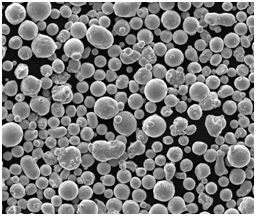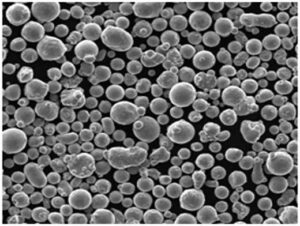
Vue d'ensemble Atomisation par plasma
L'atomisation par plasma est une technologie révolutionnaire qui a profondément transformé la production de poudres métalliques. Ce procédé exploite la puissance du plasma pour atomiser des métaux en fusion en fines poudres sphériques, indispensables à diverses applications de haute technologie, notamment la fabrication additive (impression 3D), l'aérospatiale, le secteur biomédical, etc. En offrant un contrôle inégalé de la taille et de la distribution des particules, l'atomisation par plasma garantit une qualité et une homogénéité supérieures des poudres métalliques.
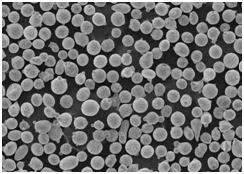
Tableau des types, de la composition, des propriétés et des caractéristiques
| Poudre métallique | Composition | Propriétés | Caractéristiques |
|---|---|---|---|
| Titane (Ti) | Titane pur, Ti-6Al-4V | Haute résistance, légèreté, résistance à la corrosion | Particules sphériques, de taille homogène |
| acier inoxydable | 316L, 304 | Résistance à la corrosion, haute résistance mécanique, ductilité | Haute densité, surface lisse |
| Nickel (Ni) | Ni pur, alliages à base de Ni | Résistance aux hautes températures, résistance à la corrosion | Microstructure fine, répartition homogène |
| Aluminium (Al) | Al pur, AlSi10Mg | Léger, bonne conductivité thermique | Fine et sphérique, excellente fluidité |
| Cuivre (Cu) | Cu pur, CuSn10 | Excellente conductivité électrique, malléable | Fines et sphériques, de haute pureté |
| Cobalt-Chrome | CoCrMo | Résistance élevée à l'usure, biocompatibilité | Haute densité, surface lisse |
| Inconel | Inconel 625, Inconel 718 | Résistance aux températures élevées et à la corrosion | Répartition fine, sphérique et homogène |
| Acier à outils | M2, H13 | Dureté élevée, résistance à l'usure | Fine et sphérique, excellente fluidité |
| Tantale (Ta) | Pure Ta | Point de fusion élevé, biocompatibilité | Particules sphériques, haute pureté |
| Tungstène (W) | Pure W, WC-Co | Densité élevée, point de fusion élevé | Particules sphériques de taille uniforme |
Applications de l'atomisation par plasma des poudres métalliques
| application | Description |
|---|---|
| Fabrication additive | Utilisé dans l'impression 3D pour la fabrication de pièces complexes et de haute précision. |
| Aérospatiale | Fabrication de composants légers et à haute résistance. |
| Biomédical | Fabrication d'implants et de prothèses grâce à la biocompatibilité. |
| Électronique | Utilisé dans les encres conductrices, les revêtements et les composants électroniques. |
| Automobile | Fabrication de pièces performantes et durables. |
| L'énergie | Fabrication de composants pour turbines, batteries et piles à combustible. |
| Outillage | Fabrication d'outils et de moules durables et très résistants. |
Spécifications, tailles, qualités, normes
| Poudre métallique | Gamme de tailles (µm) | Grade | Normes |
|---|---|---|---|
| titane | 15-45, 45-105 | 5e année | ASTM F2924, AMS 4998 |
| acier inoxydable | 15-45, 45-105 | 316L, 304 | ASTM A276, ASTM F138 |
| Nickel | 15-45, 45-105 | Ni 625 | ASTM B335, ASTM F3055 |
| Aluminium | 15-45, 45-105 | AlSi10Mg | ASTM B209, ASTM F3318 |
| Cuivre | 15-45, 45-105 | CuSn10 | ASTM B152, ASTM F75 |
| Cobalt-Chrome | 15-45, 45-105 | CoCrMo | ASTM F1537, ISO 5832-12 |
| Inconel | 15-45, 45-105 | 625, 718 | AMS 5666, ASTM F3055 |
| Acier à outils | 15-45, 45-105 | M2, H13 | ASTM A681, ISO 4957 |
| Tantale | 15-45, 45-105 | Pure Ta | ASTM B708, ISO 13782 |
| Tungstène | 15-45, 45-105 | WC-Co | ASTM B777, ISO 3317 |
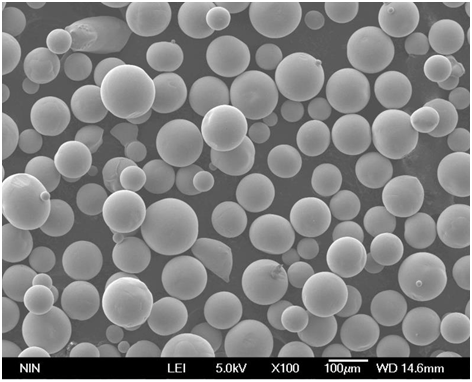

Fournisseurs et détails des prix
| Fournisseur | Poudre métallique | Fourchette de prix (par kg) | Informations sur le contact |
|---|---|---|---|
| Praxair Surface Technologies | titane | $300 – $500 | www.praxairsurfacetechnologies.com |
| Technologie des charpentiers | acier inoxydable | $100 – $300 | www.cartech.com |
| Technologie LPW | Nickel | $400 – $600 | www.lpwtechnology.com |
| Équisphères | Aluminium | $200 – $400 | www.equispheres.com |
| Sandvik | Cuivre | $150 – $250 | www.home.sandvik |
| Arcam AB (GE Additive) | Cobalt-Chrome | $600 – $800 | www.ge.com/additive |
| Hoganas AB | Inconel | $500 – $700 | www.hoganas.com |
| Aubert & Duval | Acier à outils | $200 – $400 | www.aubertduval.com |
| H.C. Starck | Tantale | $1000 – $1500 | www.hcstarck.com |
| Kennametal | Tungstène | $800 – $1200 | www.kennametal.com |
Avantages et limites de la Atomisation par plasma
| Avantages | Limites |
|---|---|
| Permet d'obtenir des particules très sphériques | Coût d'installation initial élevé |
| Distribution uniforme de la taille des particules | Nécessite un équipement et une expertise spécialisés |
| Poudres de haute pureté | Limité aux métaux conducteurs |
| Convient à une large gamme de métaux et d'alliages | Des coûts d'exploitation plus élevés que ceux des autres méthodes |
| Excellente fluidité et densité de tassement | Processus à forte intensité énergétique |
| Propriétés améliorées des matériaux pour les applications finales | Ne convient pas aux matériaux non conducteurs |
Composition de l'atomisation au plasma
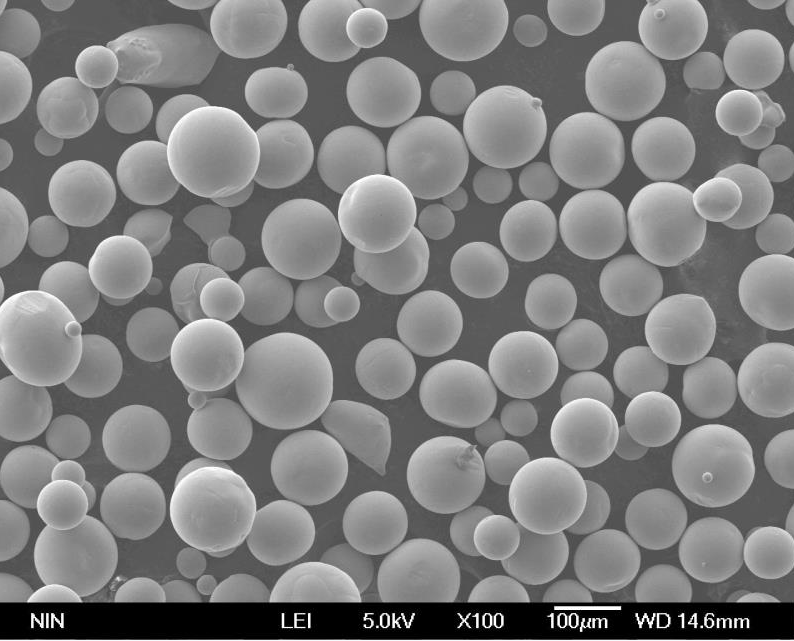
L'atomisation par plasma consiste à utiliser une torche à plasma pour faire fondre une matière première métallique, qui est ensuite atomisée en fines gouttelettes par un flux de gaz à grande vitesse. Ce procédé garantit une distribution granulométrique contrôlée et homogène, permettant d'obtenir des poudres métalliques dotées de propriétés supérieures.
La composition des poudres métalliques produites par atomisation au plasma peut varier considérablement en fonction du matériau utilisé. Par exemple, les alliages de titane tels que le Ti-6Al-4V sont composés de titane, d’aluminium et de vanadium, ce qui leur confère un équilibre entre résistance mécanique, légèreté et résistance à la corrosion. Les poudres d'acier inoxydable, quant à elles, sont composées de fer, de chrome et de nickel, ce qui leur confère une excellente durabilité et une grande résistance à la corrosion.
Caractéristiques de l'atomisation par plasma
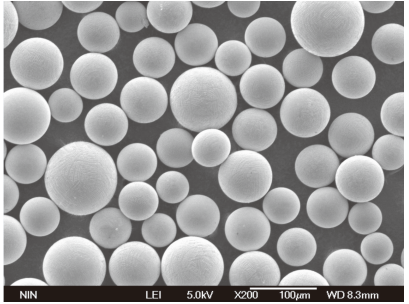
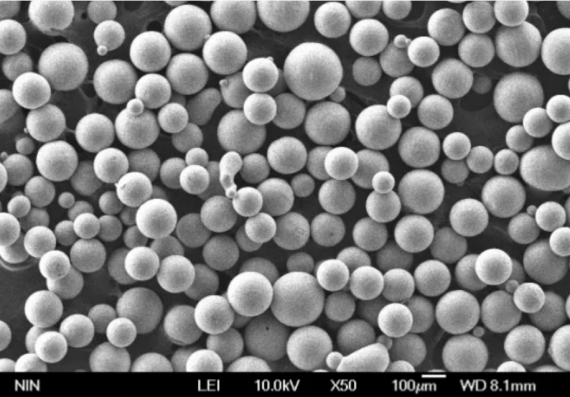
L'une des caractéristiques déterminantes de l'atomisation par plasma est la production de particules hautement sphériques présentant une distribution granulométrique étroite. Cette uniformité est essentielle pour les applications nécessitant un contrôle précis du comportement des poudres, telles que la fabrication additive et les revêtements haute performance. La forme sphérique améliore également la fluidité et la densité de tassement des poudres, ce qui les rend idéales pour divers procédés industriels.
De plus, l'atomisation par plasma permet de produire des poudres métalliques d'une grande pureté. Ce procédé réduit au minimum la contamination et l'oxydation, garantissant ainsi que les poudres répondent aux normes de qualité rigoureuses requises pour les applications critiques.
Avantages de l'atomisation par plasma
L'atomisation au plasma présente plusieurs avantages par rapport aux méthodes traditionnelles de production de poudre. Parmi ceux-ci, on peut citer :
- Sphéricité élevée: Ce procédé permet d'obtenir des particules très sphériques, qui améliorent la fluidité et la densité de tassement, deux caractéristiques essentielles pour la fabrication additive et d'autres procédés utilisant des poudres.
- Distribution uniforme de la taille des particules: Une granulométrie homogène améliore les performances et la fiabilité des produits finis.
- Haute pureté: L'environnement contrôlé du procédé d'atomisation par plasma réduit au minimum la contamination, ce qui permet d'obtenir des poudres métalliques de haute pureté adaptées à des applications exigeantes.
- Polyvalence: Ce procédé permet de produire une large gamme de poudres métalliques, y compris celles d'alliages complexes.
- Propriétés améliorées des matériaux: La finesse et la forme sphérique des poudres améliorent les propriétés mécaniques et les performances des produits finis.
Applications de l'atomisation par plasma
Les poudres métalliques obtenues par atomisation au plasma sont utilisées dans divers secteurs industriels en raison de leurs propriétés exceptionnelles. Dans la fabrication additive, ces poudres permettent de produire des pièces complexes et de haute précision dotées d'excellentes propriétés mécaniques. L'industrie aérospatiale utilise ces poudres pour fabriquer des composants légers et à haute résistance, tandis que le secteur biomédical s'en sert pour produire des implants et des prothèses biocompatibles.
Dans l'industrie électronique, les poudres issues de l'atomisation par plasma sont utilisées dans les encres et revêtements conducteurs, améliorant ainsi les performances et la fiabilité des appareils électroniques. L'industrie automobile tire parti de ces poudres pour la fabrication de pièces hautement performantes et durables, contribuant ainsi à l'efficacité et à la sécurité des véhicules. Par ailleurs, le secteur de l'énergie utilise ces poudres dans la fabrication de composants destinés aux turbines, aux batteries et aux piles à combustible, favorisant ainsi les progrès en matière de technologies de production et de stockage d'énergie.
Comparaison des modèles à base de poudre métallique
| Poudre métallique | Avantages | Inconvénients |
|---|---|---|
| titane | Léger, très résistant, résistant à la corrosion | Coût élevé, traitement complexe |
| acier inoxydable | Résistance à la corrosion, haute résistance mécanique, ductilité | Plus lourd que d'autres métaux, coût modéré |
| Nickel | Résistance aux températures élevées, résistance à la corrosion | Coûteux, lourd |
| Aluminium | Léger, bonne conductivité thermique | Résistance moindre par rapport à d'autres métaux |
| Cuivre | Excellente conductivité électrique, malléable | Lourd, sensible à l'oxydation |
| Cobalt-Chrome | Résistance élevée à l'usure, biocompatibilité | Coûteux, difficile à usiner |
| Inconel | Résistance aux températures élevées et à la corrosion | Très coûteux, difficile à traiter |
| Acier à outils | Dureté élevée, résistance à l'usure | Lourd, peut être cassant |
| Tantale | Point de fusion élevé, biocompatibilité | Extrêmement coûteux, lourd |
| Tungstène | Densité élevée, point de fusion élevé | Très lourd, difficile à traiter |
FAQ
| Question | Réponse |
|---|---|
| Qu'est-ce que Atomisation par plasma? | L'atomisation par plasma est un procédé qui utilise une torche à plasma pour faire fondre et atomiser des métaux en fines poudres sphériques. |
| Quels sont les avantages de l'atomisation par plasma ? | Il permet d'obtenir des particules très sphériques, présentant une distribution granulométrique homogène et une grande pureté, adaptées aux applications de haute technologie. |
| Quels métaux peuvent être traités par atomisation au plasma ? | Il est possible d'usiner des métaux tels que le titane, l'acier inoxydable, le nickel, l'aluminium, le cuivre, le cobalt-chrome, l'Inconel, l'acier à outils, le tantale et le tungstène. |
| Quelles sont les applications courantes des poudres obtenues par atomisation au plasma ? | Parmi les domaines d'application, on peut citer la fabrication additive, l'aérospatiale, le secteur biomédical, l'électronique, l'automobile et le secteur de l'énergie. |
| En quoi l'atomisation par plasma se distingue-t-elle des autres méthodes ? | Ce procédé offre une meilleure uniformité, pureté et sphéricité des particules par rapport aux méthodes traditionnelles, mais il est plus coûteux et plus gourmand en énergie. |
| Quelles sont les principales caractéristiques des poudres obtenues par atomisation au plasma ? | Une sphéricité élevée, une distribution granulométrique homogène, une grande pureté et une excellente fluidité constituent ses principales caractéristiques. |
| Les matériaux non conducteurs peuvent-ils être traités par atomisation au plasma ? | Non, l'atomisation par plasma est réservée aux métaux conducteurs. |
| Quelles sont les limites de l'atomisation par plasma ? | Coût d'installation initial élevé, procédé très gourmand en énergie et utilisation limitée aux métaux conducteurs. |
| Existe-t-il des normes spécifiques pour les poudres destinées à l'atomisation par plasma ? | Oui, diverses normes, telles que les normes ASTM, AMS et ISO, s'appliquent aux différentes poudres métalliques. |
| Comment choisir le bon fournisseur de poudres pour l'atomisation au plasma ? | Lors de votre choix, tenez compte de facteurs tels que la qualité de la poudre métallique, les prix, les certifications et la réputation du fournisseur. |