Hızlı Cevap
Haynes 188 kobalt alaşımı tozu Bu ürün, 1095 °C (2000 °F)‘ye kadar oksitleyici ortamlara dayanması gereken bileşenlerin lazer toz yatağı füzyonu ve yönlendirilmiş enerji biriktirme yöntemleriyle üretimi için tasarlanmış küresel bir Co-Ni-Cr-W süperalaşım hammaddesidir (UNS R30188). Bu malzemenin ayırt edici özelliği, koruyucu krom oksit tabakasının yapışmasını önemli ölçüde artıran ve alaşıma aşırı sıcaklıklarda çoğu nikel süper alaşımından daha üstün oksidasyon direnci sağlayan az miktarda lantan ilavesidir (0,02-0,12%). LPBF parametrelerinin optimize edilmesi, toz kalitesiyle başlar: 15-53 mikron PSD (D50 yaklaşık 35 mikron), %'nin üzerinde küresellik, ağırlıkça %0,04'ün altında oksijen ve 18 s/50 g'nin altında Hall akışı belirtilmelidir. 400 W sınıfı makinelerde Haynes 188, 250-350 W lazer gücü, 900-1200 mm/s tarama hızı, 0,10-0,12 mm tarama aralığı ve 30-40 mikron katman kalınlığı koşullarında >99,5% yoğunluğa ulaşır; bu, yaklaşık 60-90 J/mm³ hacimsel enerji yoğunluğuna karşılık gelir ve alaşımın yoğunluğu ve termal davranışı nedeniyle alüminyum alaşımlarından daha yüksektir. 150-200 °C'lik baskı plakası ön ısıtması, bu yüksek mukavemetli alaşımda kalıntı gerilimi sınırlar; parçaların tam süneklik ve sünme performansı kazanabilmesi için 1150-1200 °C'de baskı sonrası çözücü tavlama ve ardından hızlı soğutma gereklidir. Alıcılar, kimyasal bileşim (özellikle lantan içeriği), oksijen, PSD ve akış özellikleri için parti sertifikalarını doğrulamalı ve tedarikçinin reaktif La ilavesini korumak amacıyla argon altında atomizasyon işlemi uyguladığını teyit etmelidir.
Haynes 188 Kobalt Alaşımlı Toz Nedir ve Malzemenin Avantajları Nelerdir?
Haynes 188 kobalt alaşımı tozu Bu, şimdiye kadar piyasaya sürülen en oksidasyona dayanıklı yüksek sıcaklık alaşımlarından birinin katmanlı üretim ve toz metalurjisi formudur. Haynes International tarafından geliştirilen ve UNS R30188 olarak standartlaştırılan bu alaşım, AMS 5608 (levha) ve AMS 5772 (çubuk ve dövme) dahil olmak üzere dövme özelliklerine sahiptir. Bu alaşım, tungsten katı çözeltisiyle güçlendirilmiş ve eser miktarda lantan ile rafine edilmiş bir kobalt bazlı süper alaşımdır. Dövme formunda, jet motorundaki en sıcak ve en oksitleyici bölgeler olan gaz türbini yanma odaları, geçiş kanalları ve art yakıcı bileşenlerinde on yıllardır kullanılmaktadır.
Şu ailenin içinde kobalt alaşımlı tozlar Katmanlı imalat için tedarik edilen Haynes 188, aşırı sıcaklık uygulamaları alanında kendine özgü bir niş oluşturmaktadır. ASTM F75 gibi CoCrMo kaliteleri aşınma ve biyomedikal uygulamalarda baskın konumdadır ve Stellite alaşımları aşındırıcı aşınmaya karşı direnç gösterir; ancak bunların hiçbiri, oksitleyici gaz akımlarında 1000 °C’nin üzerindeki sıcaklıklara uzun süre maruz kaldığında dayanamaz. Haynes 188 ise buna dayanabilir; bu nedenle havacılık ve endüstriyel gaz türbini programlarında, basılı yanma odası ve sıcak gaz yolu donanımı için bu malzeme tercih edilmektedir.
Haynes 188 tozuna olan talebi artıran maddi avantajlar şunlardır:
- 1095 °C’ye kadar olağanüstü oksidasyon direnci: Lantan ile modifiye edilmiş Cr₂O₃ tabakası, diğer alaşımların koruyucu oksit tabakasını kaybettiği binlerce termal döngü boyunca parçalanmaya karşı direnç gösterir.
- İyi yüksek sıcaklık dayanımı: Yaklaşık 980 °C’ye kadar kullanışlı sürünme ve kopma mukavemeti; karmaşık kimyasal bileşime sahip paslanmaz çelikler ile nikel süper alaşımları arasındaki boşluğu doldurur.
- Olağanüstü termal yorulma direnci: Bu alaşım, yanma odası astarları ve geçiş kanallarının temel işlevi olan hızlı ısıtma ve soğutma döngülerine dayanıklıdır.
- Mükemmel işlenebilirlik ve kaynaklanabilirlik: Kobalt bazlı esneklik, alaşımın şekillendirme, birleştirme ve özellikle de katmanlı imalat süreçlerinde hatalara karşı dayanıklı olmasını sağlar.
- Metalurjik kararlılık: 650-1100 °C aralığında uzun süreli maruz kalma sırasında zararlı faz çökelmesi görülmez; hizmet süresinden sonra da süneklik korunur.
Toz yataklı füzyon teknolojisinde bu özellikler tasarım özgürlüğüyle bir araya gelir: Baskıyla üretilen Haynes 188 yanma odası bileşenleri, alaşımın kanıtlanmış çevresel dayanıklılığını korurken, sac metal imalatıyla elde edilemeyen soğutma özelliklerini, karıştırıcıları ve ince cidarlı geometrileri bünyesinde barındırır.
Kimyasal Bileşim Verileri ve Performans Unsurları Arasındaki İlişki
Haynes 188’in kimyasal yapısı, bir denge örneğidir: Nikel, sünek kobalt matrisini stabilize eder; krom, oksidasyon direnci sağlar; tungsten, katı çözelti mukavemeti kazandırır; ve eser miktarda lantan, kireç yapışmasını değiştirir. Her bir elementin kendine ait bir rolü vardır ve toz sınıfları, atomizasyon kaynaklı oksijen ve azotun ek kontrolüyle birlikte tüm dövme spesifikasyonlarını tam olarak karşılamalıdır.
Haynes 188'in Kimyasal Bileşimi
| Element | Min (%) | Max (%) | Rol |
|---|---|---|---|
| Kobalt (Co) | Denge | Denge | Temel matris; sıcak mukavemet, termal yorulma direnci ve kaynaklanabilirlik |
| Nikel (Ni) | 20.0 | 24.0 | fcc yapısını stabilize eder; sünekliliği ve işlenebilirliği artırır |
| Krom (Cr) | 20.0 | 24.0 | Koruyucu Cr₂O₃ tabakası oluşturur; oksidasyon ve sıcak korozyona karşı direnç |
| Tungsten (W) | 13.0 | 16.0 | Katı çözelti güçlendirici; sünme ve kopma mukavemetini artırır |
| Demir (Fe) | – | 3.0 | Artık; maddi hasara yol açmayacak ölçüde tolere edilir |
| Lantan (La) | 0.02 | 0.12 | Oksit tabakasının yapışmasını ve döngüsel oksidasyon ömrünü önemli ölçüde artırır |
| Silisyum (Si) | 0.20 | 0.50 | Oksidasyon önleyici; oksidasyon direncine katkıda bulunur |
| Manganez (Mn) | – | 1.25 | Deoksidatör ve eritme işlemi kalıntısı |
| Karbon (C) | 0.05 | 0.15 | Karbür oluşturucu; sıcaklıkta tane sınırı güçlendirilmesi |
| Bor (B) | – | 0.015 | Eser miktarlarda bulunan tane sınırı güçlendirici |
| Oksijen (O, toz) | – | 0.04 | Toz, boşluklar arasında bulunur; sünekliliği ve La aktivitesini korumak için düşük seviyede tutulmalıdır |
Kobalt çünkü ana element, alaşımın yüksek sıcaklık özelliklerini belirler. Kobaltın nikel ile karşılaştırıldığında daha yüksek erime noktası ve daha düşük istifleme hatası enerjisi, matrise 900-1100 °C aralığında – ki bu tam da yanma odası ortamıdır – mükemmel termal yorulma direnci ve sünme deformasyonuna karşı direnç sağlar.
20-24%'de krom oksitleyici gaz ortamında alaşımı koruyan sürekli Cr₂O₃ yüzey tabakasını oluşturur. Lantan olmadan, bu tabaka termal döngü sırasında çatlar ve parçalanır; lantan, sadece 0,02-0,12% oranında bulunurken, ölçek-metal arayüzüne ayrışır ve yapışmayı o kadar etkili bir şekilde artırır ki, 1095 °C’deki döngüsel oksidasyon ömrü, lantan içermeyen Co-Cr-W alaşımlarına kıyasla bir mertebe artar. Bu, alaşımın en belirleyici özelliğidir ve toz işleme sürecinde de bir sonucu vardır: lantan oldukça reaktif olduğundan, La'nın cüruf veya oksit olarak kaybolmaması ve çözelti içinde kalması için tozun sıkı bir şekilde kontrol edilen argon ortamında eritilmesi ve atomize edilmesi gerekir. Alıcılar, analiz sertifikasındaki La değerini bir dipnot olarak değil, kritik bir parametre olarak değerlendirmelidir.
13-16%'de tungsten sıcaklıkta yükü taşıyan katı çözelti sertleşmesini sağlarken, karbon M23C6 ve M6C karbürlerini oluşturur; bu karbürler, kullanım sırasında tane sınırlarını sabitler ve yapıyı güçlendirir.
LPBF hammadde için pratik ilişkiler doğrudandır: oksidasyon açısından kritik parçalar için krom ve lantan seviyelerini orta ila üst spesifikasyon aralığında tutun, baskı sonrası sünekliği korumak için oksijen içeriğini 0,04 ağırlıkça %'nin altında tutun ve tungsten içeriğini kontrol edin; çünkü tungsten, yüksek sıcaklık mukavemetini belirlerken aynı zamanda atomizasyon sırasında yoğunluğu ve eriyik viskozitesini de artırır.
Fiziksel ve Mekanik Özellikler Yoğunluk Mukavemet Sertlik
Haynes 188’in malzeme profili, misyonunu yansıtmaktadır: süper alaşımlar dünyasında en yüksek mukavemete sahip olmasa da, hizmet sıcaklık aralığının en üst sınırında oksidasyon direnci, termal yorulma toleransı ve işlenebilirliğin olağanüstü bir birleşimini sunmaktadır. Aşağıdaki değerler, aksi belirtilmedikçe, oda sıcaklığında çözelti tavlamasına tabi tutulmuş malzemeye aittir.
Anahtar Özellikler
| Mülkiyet | Değer | Birim |
|---|---|---|
| Yoğunluk | 8.98 | g/cm3 |
| Erime aralığı | 1300-1330 | °C |
| Isıl iletkenlik (RT / 540 °C) | 10.8 / 17.5 | W/m*K |
| Isıl genleşme katsayısı (20–1000 °C) | 16.7 | um/m*K |
| Elastik modülü | 232 | GPa |
| Çekme mukavemeti (RT, tavlanmış) | 950-1000 | MPa |
| Akma mukavemeti (RT, tavlanmış) | 460-500 | MPa |
| Uzama (RT) | 45-55 | % |
| Çekme mukavemeti (870 °C) | 440-480 | MPa |
| 1000 saatlik kopma mukavemeti (980 °C) | ~70 | MPa |
| Sertlik (tavlanmış) | 26-30 | HRC |
| Maksimum sürekli çalışma süresi (oksitleyici) | 1095 | °C |
Bu 45-55%'nin oda sıcaklığında sünekliği Bu mukavemete sahip bir alaşım için dikkat çekicidir ve malzemenin işlenebilirliğinin temelini oluşturur: dövme sac, karmaşık yanma odası şekillerine dönüştürülebilir ve LPBF yönteminde, sünek, tek fazlı östenitik yapı, gama-prime ile sertleştirilmiş nikel alaşımlarında görülen çatlama sorunları yaşanmadan basılabilir. Haynes 188, yaşlandırma ile sertleştirilemez; mukavemeti katı çözeltiden ve karbürlerden gelir; bu da basılan parçaların karmaşık çok aşamalı çökelme işlemlerine değil, yalnızca çözelti tavlamasına ihtiyaç duyduğu anlamına gelir.
Yüksek sıcaklıkta performans İşte bu noktada alaşım, maliyetini haklı çıkarmaktadır. 870 °C'de oda sıcaklığındaki mukavemetinin yaklaşık yarısını koruyan ve 980 °C'de 1000 saatlik kullanışlı kopma direnci sunan Haynes 188, paslanmaz çelikleri ve çoğu demir-nikel alaşımını geride bırakırken, döküm nikel süper alaşımlarına kıyasla işlenmesi çok daha kolaydır. Orta sıcaklıklarda sünme mukavemeti Inconel 718'in altında kalır; ancak 718, 188'in mükemmel performans gösterdiği 900 °C'nin üzerindeki oksitleyici ortamlarda dayanamaz.
Bu oda sıcaklığında 10,8 W/m*K termal iletkenlik, sıcaklıkla birlikte artan bu değer, mutlak olarak düşük olup süper alaşımlar için tipik bir özelliktir ve LPBF üzerinde doğrudan bir etkiye sahiptir: ısı, eriyik havuzunda yoğunlaşır; bu nedenle tarama stratejileri, genellikle katmanlar arası bekleme süreleri veya ince detaylarda ayarlanmış enerji girişi yoluyla, ince duvarlarda ve küçük kesitlerde ısı birikimini kontrol etmelidir.
Baskılı parçalar için, 1150-1200 °C’de hızlı soğutmalı çözelme tavlaması, ayrışmayı ve artık karbürleri ortadan kaldırır, tam sünekliliği geri kazandırır ve tek bir döngüde imalat sonrası yapının gerilimini giderir. Tavlanmış durumda 26-30 HRC sertlik değeri, ısıl işlemden sonra sızdırmazlık yüzeylerinin ve arayüzlerin geleneksel işlenmesine olanak tanır.
Sınıf Şartnameleri, Boyut Aralıkları ve Kalite Kontrol Standartları
Haynes 188 tozu, işleme uygun kesimlerde tedarik edilir ve kalite belgeleri, dövme alaşımın havacılık sektöründeki kökenine kadar izlenebilir niteliktedir.
Mevcut Teknik Özellikler
| Parametre | Standart/Değer |
|---|---|
| LPBF / SLM için PSD | 15–53 um (D10 ~22, D50 ~35, D90 ~54) |
| DED / lazer kaplama için PSD | 45–106 um veya 53–150 um |
| EBM için PSD | 45–106 um |
| Küresellik | >= 93% |
| Salon akış hızı | <= 18 saniye/50 g |
| Görünür yoğunluk | >= 4,6 g/cm³ |
| Musluk yoğunluğu | >= 5,2 g/cm³ |
| Oksijen içeriği | <= 0,04 wt% (premium <= 0,02 wt%) |
| Azot içeriği | <= 0,05 wt% |
| Kimya referansı | UNS R30188, AMS 5608 / AMS 5772 |
| Paketleme | Vakumla kapatılmış veya argonla doldurulmuş, 25-50 kg'lık variller |
Bu 15-53 mikron LPBF kesimi Bu, yanma odası ve türbin donanımlarının toz yatak füzyonu için standarttır; akışı korumak amacıyla 15 mikronun altındaki ince parçacıklar 10%’nin altında tutulur. Yaklaşık 9 g/cm³ yoğunluğa sahip kobalt süperalaşımlı tozlar, mükemmel bir şekilde akar ve yayılır; LPBF'de en iyi performans gösteren tozlar arasındadır ve yüksek çözünürlüklü yanma odası duvar özellikleri için 20-30 mikrona kadar ince tabaka kalınlıklarını destekler.
DED ve kaplama kesimleri 45-106 ve 53-150 mikron aralığındaki türbin bileşenlerinin onarımı ve net şekle yakın biriktirme işlemlerinde, kobalt bazlı alaşımların en belirgin özelliği olan bu alaşımın kaynaklanabilirliği sayesinde, minimum seyreltme kontrolü çabasıyla yoğun ve çatlaksız kaplama katmanları elde edilir.
Kalite kontrol standartları Bu sınıf için havacılık ve uzay sektöründeki standartlara uyulmalıdır. Her parti aşağıdakilerle birlikte sevk edilmelidir:
- UNS R30188 standardına göre ICP-OES veya OES yöntemiyle yapılan tam kimyasal analiz; birçok genel kobalt sertifikasında atlanan lantan elementinin açıkça belirtilmesi.
- İnert gaz füzyonu yoluyla oksijen ve azot tayini (ASTM E1019 veya eşdeğeri).
- ISO 13320 standardına göre lazer difraksiyonu yöntemiyle belirlenen PSD, D10/D50/D90 değerleri ile birlikte raporlanmıştır.
- ASTM B213 standardına göre Hall akışı ve ASTM B212/B527 standardına göre görünür/sıkıştırılmış yoğunluk.
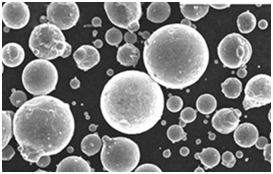
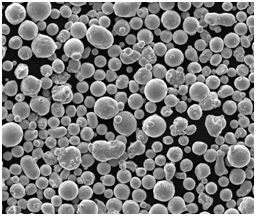
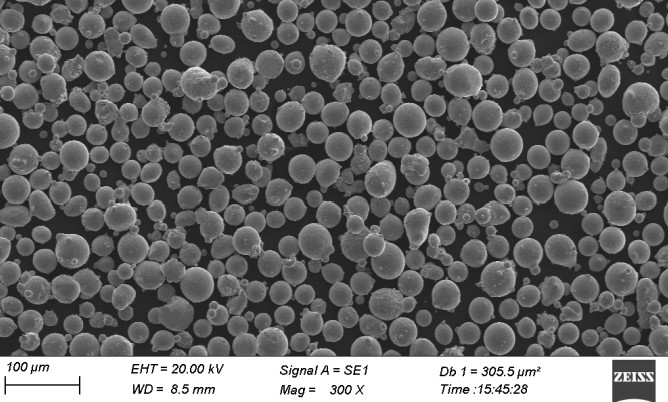
- Küreselliği ve uydu içeriğini doğrulayan SEM morfoloji görüntülemesi.
- Toz partisini erime ısı numarasına bağlayan atomizasyon ısısı izlenebilirliği.
Uçuş donanımı programlarında, alıcılar giderek daha fazla şu şartları belirtiyor: kupon düzeyinde doğrulama: Her toz partisinden basılan test çubukları, çözelti tavlamasından geçirilir ve oda sıcaklığında ve yüksek sıcaklıkta çekme özellikleri açısından test edilir. Bu uygulama, toz kalitesi ile parça performansı arasındaki bağı sağlamlaştırır; ciddi tedarikçiler ise bu uygulamayı, saklanan numuneler ve istikrarlı, belgelenmiş atomizasyon uygulamalarıyla destekler. LPBF'de tozun yeniden kullanımı, döngü sayısı yerine oksijen eğilimi ile izlenmeli; kullanılmış toz 63-80 mikron aralığında elenmeli ve her döngüde 30-50% işlenmemiş malzeme ile yenilenmelidir.
Üretim Süreci: Atomizasyon, Eleme ve Isıl İşlem
Haynes 188 tozunun üretimi, alaşımı tanımlayan reaktif lantan ilavesini korumak amacıyla özel olarak seçilen argon gazı atomizasyonuna dayanmaktadır.
Erime Bu işlem, yüksek saflıkta kobalt, nikel, krom ve tungsten yüklemeleri kullanılarak vakumlu indüksiyon fırınlarında gerçekleştirilir. Lantan, agresif bir şekilde oksitlendiği için erime sürecinin son aşamalarında inert gaz örtüsü altında eklenir; döküm kimyasında belirtilen 0,02-0,12% La değerini korumak için fırın işletiminde cüruf teması en aza indirilmelidir. Döküm öncesinde yapılan analiz, özellikle La geri kazanımına dikkat edilerek, tüm spesifikasyonların karşılandığını teyit eder.
Gaz atomizasyonu (GA) Bu kalitede atomizasyon gazı olarak yüksek saflıkta argon kullanılır. Birçok çelik ve kobalt aşınma alaşımı için uygun olan azotlu atomizasyon, burada iki nedenden ötürü tercih edilmez: Azot alımı, sıcaklıkta alaşımı kırılganlaştıran nitrürler oluşturur ve argonun inertliği, reaktif nadir toprak element ilavesini en iyi şekilde korur. Yaklaşık 1550-1600 °C sıcaklıkta dökülen aşırı ısıtılmış eriyik, birleşen argon jetleri içinde parçalanır ve damlacıklar, iyi yürütülen üretim süreçlerinde tipik olarak 0,02-0,04 ağırlıkça % oksijen içeren küresel toz haline katılaşır.
Tarama ve sınıflandırma Atomize edilmiş dağılım, inert gaz örtüsü altında çok katlı ultrasonik eleme ve hava sınıflandırması yoluyla ticari LPBF, DED ve EBM aralıklarına ayrıştırılır. Partiler, yukarıda açıklanan kalite kontrol standartlarına göre harmanlanır, numuneleri alınır ve sertifikalandırılır.
Isıl işlem Parça üreticisine aittir ancak toz özelliklerini belirler; bu nedenle her türlü tedarik görüşmesinde ele alınması gerekir. Baskılı veya PM Haynes 188 parçaları için standart süreç şöyledir:
- Çözelti tavlaması 1150-1200 °C'de yapılır (genellikle 1175 °C) sıcaklıkta, kesitin her 25 mm’si için 1 saat süreyle, karbürleri eritmek ve katılaşmış haldeki yapıyı homojenleştirmek amacıyla.
- Hızlı soğutma, hava ile soğutma veya daha hızlı bir yöntemle, çözünmüş halin korunması ve kritik aralıkta karbürün yeniden çökelmesini önlemek amacıyla.
- İsteğe bağlı sıcak izostatik presleme (HIP) 1120-1180 °C ve 100-150 MPa argon basıncında Yorgunluk açısından kritik parçaların çözelti işlemine tabi tutulmasından önce, baskı veya sinterleme işlemlerinden kaynaklanan kalıntı gözeneklerin kapatılması.
Bu alaşım için herhangi bir yaşlandırma işlemi bulunmamaktadır; bu da onay sürecini basitleştirmektedir: tek bir ısıl işlem adımıyla nihai özellikler elde edilmektedir. Kendi tesislerinde de dahil olmak üzere kapsamlı işleme kapasitesine sahip toz tedarikçileri PREP toz üretim teknolojisi Kaba premium fraksiyonlar için, tavlamanın tam anlamıyla etkili olmasını sağlayan oksijen sınırları ve temizlik seviyeleri konusunda müşterilere danışmanlık verebilir.
Sektöre Göre Uygulamalar: Yapısal, Termal ve Aşınma Bileşenleri
Haynes 188 toz kaplamaları, sıcak ve oksitleyici gazın yapısal yükle karşılaştığı yerlerde, yani yanma odası ve egzoz ortamında yoğunlaşır. Tipik kullanım alanları aşağıda ve tedarikçinin uygulamalar sayfa.
Sektörlere Göre Tipik Uygulamalar
| Endüstri | Temsili Parçalar | Neden Haynes 188 Tozu? |
|---|---|---|
| Havacılık ve uzay motorları | Yanma odası astarları, geçiş kanalları, alev tutucular, art yakıcı parçaları | 1095 °C’ye kadar oksidasyon direnci, termal yorgunluk |
| Endüstriyel gaz türbinleri | Yanma donanımı, nozullar, ısı kalkanları | Uzun vadeli yüksek sıcaklık kararlılığı |
| Enerji ve güç | Atıktan enerji elde etme sistemlerinin yanma odası bileşenleri, brülör nozulları | Yüksek sıcaklıkta korozyon ve oksidasyona karşı direnç |
| Endüstriyel fırınlar | Işınım tüpleri, armatürler, sönümleyiciler | Kullanım sırasında sürünme ve oksidasyon direnci |
| Kimyasal işleme | Yüksek sıcaklıklı reaktör iç bileşenleri, katalizör taşıyıcıları | Oksitleyici ortamlarda kararlılık |
| Savunma | Füze ve İHA tahrik sistemlerinin sıcak bölümleri | Kompakt baskı geometrilerinde aşırı zorlu kullanım koşulları |
Havacılık ve uzay tahrik sistemleri Bu, tarihsel ve günümüzde de devam eden temel uygulama alanıdır. Yanma odası astarları ve geçiş kanalları, motorun en zorlu ortamında çalışır; döngüsel ısınma ile doğrudan alev teması ve Haynes 188’in lantan ile stabilize edilmiş oksit tabakası ile termal yorulma direnci, bu parçalar için dövme sac standardı haline gelmesini sağlamıştır. LPBF artık, sacın şekillendirilmesi ve kaynaklanmasıyla elde edilemeyen entegre efüzyon soğutma desenleri, karıştırıcı geometrileri ve duvar özelliklerine sahip yanma odası bileşenleri üretirken, DED onarımı ise yüksek değerli sıcak bölüm donanımlarının ömrünü uzatmaktadır.
Endüstriyel gaz türbinleri aerodinamik mantığını daha büyük ölçekte yansıtmak: Kara tabanlı türbinlerdeki yanma kapakları, nozullar ve ısı kalkanları, revizyonlar arasındaki aralıklar daha uzundur; işte tam da bu görevde, 188’in metalurjik kararlılığı ve yüksek sıcaklıkta binlerce saatin ardından kırılganlaşma aşamalarının görülmemesi, kendini amorti eder.
Enerji ve endüstriyel fırınlar Bu uygulamalar, daha düşük gerilim altında da aynı çevresel dayanıklılıktan yararlanır: Atıktan enerji elde edilmesine yönelik yanma odası parçaları, brülör nozulları, radyant borular ve fırın donanımları, sıcak ve oksitleyici çalışma koşullarında hiçbir şekilde bozulmayan bir alaşımdan faydalanır.
Kimyasal işleme ve savunma Talep tablosunu tamamlayan unsurlar şunlardır: sıcak oksitleyici proses gazına maruz kalan reaktör iç parçaları ve katalizör destekleri ile füzeler ve İHA’lar için kompakt itiş sistemlerinin sıcak bölümleri; burada, baskı yoluyla üretilen Haynes 188 malzemesi, küçük ve geometrik olarak optimize edilmiş parçalarda olağanüstü çevresel performans sergilemektedir.
Bu sektörlerin tamamında seçim mantığı tutarlıdır: Arıza nedeni hacimsel gerilim yerine oksidasyon, termal yorgunluk veya sıcak korozyon olduğunda, Haynes 188 referans malzeme olarak kabul edilir ve toz teknolojisi sayesinde artık bu malzemenin özellikleri, geleneksel imalat yöntemleriyle asla elde edilemeyecek geometrik şekillerde sağlanabilmektedir.
Alternatif Malzemelerle Karşılaştırma ve Performans Verileri Tablosu
Katmanlı İmalat (AM) için yüksek sıcaklık alaşım seçimi genellikle Haynes 188 ile diğer kobalt standardı olan Haynes 25 (L605) ve baskıya uygun başlıca nikel süperalaşımları arasında bir karşılaştırma yapılmasını gerektirir.
Haynes 188 ile Alternatif Yüksek Sıcaklık AM Alaşımları Karşılaştırması
| Mülkiyet | Haynes 188 | Haynes 25 (L605) | Inconel 718 | Inconel 625 |
|---|---|---|---|---|
| Temel sistem | Co-Ni-Cr-W-La | Co-Cr-W-Ni | Ni-Cr-Fe-Nb-Mo | Lehim Pastaları, Kaynak Çubukları |
| Maksimum oksitleme çalışma sıcaklığı | 1095 °C | 980 °C | 700 °C | 900 °C |
| RT çekme mukavemeti (MPa) | 950-1000 | 970-1010 | 1280-1380 (yaş) | 900-930 |
| 870 °C'deki mukavemet (MPa) | 440-480 | 420-460 | ~1000 (sınır 700) | 500-540 |
| Döngüsel oksidasyon direnci | Mükemmel (La ile modifiye edilmiş) | Çok iyi | Orta düzeyde | İyi |
| Termal yorulma direnci | Mükemmel | Mükemmel | İyi | İyi |
| LPBF baskı uygunluğu | Çok iyi (sertleşmeyen) | İyi | İyi (olgunlaştırılması gerekir) | Mükemmel |
| Isıl işlem | Yalnızca çözüm tavlaması | Yalnızca çözüm tavlaması | Çözüm + iki katı yaş | Yalnızca çözüm tavlaması |
| Göreceli toz maliyeti | Yüksek | Yüksek | Orta | Orta-yüksek |
Haynes 25 (L605) En yakın rakibi olup, kobalt bazını ve mukavemet profilinin büyük bir kısmını paylaşmaktadır. Ancak lantan içermediğinden, 1095 °C’deki oksidasyon direnci ve döngü ömrü, 188’e kıyasla ölçülebilir derecede daha düşüktür; Haynes 25’in üstün olduğu noktalar ise biraz daha iyi temin edilebilirliği ve uzun bir AMS geçmişidir. Metal sıcaklığının 980 °C’nin altında kaldığı bileşenler için bu iki malzeme neredeyse birbirinin yerine kullanılabilir ve seçimde maliyet belirleyici olur.
Inconel 718 700 °C’ye kadar yüksek mukavemeti, mükemmel baskı kabiliyeti ve muazzam onay veritabanı sayesinde basılı süperalev hacminde baskın konumdadır. 700 °C'nin üzerinde gama-duble prime mukavemeti çöker ve yanma odası sıcaklıklarında oksidasyon direnci 188’in seviyesine yaklaşamaz. Bu iki alaşım arasında neredeyse rekabet söz konusu değildir: 718, 700 °C'ye kadar yük taşıyan yapılar için; 188 ise 900 °C'nin üzerindeki sıcak gaz yolları için kullanılır.
Inconel 625 Yaklaşık 900 °C’ye kadar iyi bir mukavemetle birlikte üstün işlenebilirlik ve korozyon direnci sunar; ancak en yüksek sıcaklıklarda oksidasyon sınırı ve sünme mukavemeti 188’in değerlerinin altındadır. Biraz daha düşük maliyetle, yüksek sıcaklıkta ancak aşırı zorlu koşullarda değil, kullanım için uygundur.
Seçim kuralı: 700 °C’nin altında ve yüksek gerilimde 718’i seçin; 700-980 °C arasında orta düzeyde gerilme durumunda 625 veya Haynes 25'i seçin; 980-1095 °C'de oksitleyici, döngüsel çalışma koşulları ve yanma odası ortamında, Haynes 188, kolayca basılabilir alaşımlar arasında tek başına öne çıkmaktadır.
Şirketimiz
Shanghai Truer Technology Co, Ltd Çin merkezli bir katmanlı üretim tedarikçisi olup, PREP toz üretim ekipmanları ile yüksek kaliteli küresel metal tozlarını bir arada sunmaktadır. 2009 yılında kurulan şirket, hem gaz atomizasyonu (GA) ve nikel alaşımları, kobalt alaşımları, titanyum alaşımları, alüminyum alaşımları, paslanmaz çelikler, bakır alaşımları, yüksek entropili alaşımlar ve özel malzemeler alanlarında PREP üretim kapasiteleri.
Kobalt süperalaşım hammadde olarak Truer, lantan gibi reaktif katkı maddelerini korumak ve oksijen seviyesini en üst düzeyde tutmak amacıyla yüksek saflıkta argon altında atomize edilmiş Haynes 188, Haynes 25, CoCrMo (ASTM F75) ve ilgili kaliteleri tedarik etmektedir. Tozlar LPBF, DED ve EBM kesimlerinde mevcuttur ve her parti, talep üzerine lantan, oksijen-azot içeriği, lazer difraksiyonu ile PSD, Hall akışı, görünen yoğunluk ve SEM morfolojisini içeren tam kimyasal bileşimi kapsayan bir analiz sertifikası ile sevk edilir.
Şirket ayrıca havacılık, endüstriyel türbin, enerji ve fırın endüstrisi müşterileri için özel alaşım geliştirme, küçük partili prototip üretimi ve seri üretim hizmetleri sunmaktadır. Önde gelen araştırma kurumlarıyla ortaklaşa işletilen metal 3D baskı inovasyon merkezi, yüksek sıcaklık kobalt ve nikel alaşımları için parametre geliştirme ve ısıl işlem doğrulama çalışmalarını desteklemektedir.
Haynes 188 kobalt alaşımı tozunun teknik özellikleri, numune temini veya argon atomizasyonlu üstün kaliteli ürünlerle ilgili sorularınız için, ekiple iletişime geçin hedef PSD, oksijen sınırı ve yıllık hacim tahmini ile birlikte.
SSS
S1: Haynes 188 tozunun tipik parçacık boyutu dağılımı nasıldır? C: Standart LPBF kesim boyutu 15-53 mikron olup D50 değeri yaklaşık 35 mikrondur; buna karşılık DED ve EBM uygulamalarında 45-106 mikron veya daha iri fraksiyonlar kullanılır. Belirli makine platformlarına uyacak şekilde özel dar dağılımlar sınıflandırılabilir.
S2: Haynes 188 tozu hem SLM hem de DED sistemlerinde kullanılabilir mi? C: Evet, PSD’nin işleme uygun olması şartıyla: SLM/LPBF için 15-53 mikron ve DED ile lazer kaplama için 45-106 veya 53-150 mikron. Alaşımın kobalt bazlı kaynaklanabilirliği, onu her iki işlemde de en iyi performans gösteren süper alaşımlardan biri haline getirir.
Soru 3: Haynes 188 tozu hangi sertifikalara sahiptir? C: Standart tedarik kapsamında, UNS R30188 standardına uygun tam kimyasal bileşim bilgilerini içeren ve lantan içeriğini açıkça belirten bir analiz sertifikası; ayrıca inert gaz füzyonu yöntemiyle belirlenen oksijen-azot oranları, lazer difraksiyonu ile belirlenen PSD, Hall akışı ve görünür yoğunluk verileri yer almaktadır. Uçuş donanımı programları için SEM morfoloji raporları ve atomizasyon ısısı izlenebilirliği de sunulmaktadır.
Soru 4: Haynes 188 tozunu sipariş etmek için minimum sipariş miktarı (MOQ) nedir? C: Parametre geliştirme ve uygunluk testleri için 5-10 kg’lık numune miktarları temin edilebilir. Üretim siparişleri, alaşımın yüksek hammadde değerini yansıtacak şekilde genellikle 25-50 kg’dan başlar; 100 kg’ın üzerindeki miktarlarda ise toplu alım indirimi uygulanır.
S5: Haynes 188 tozunun bileşimi özelleştirilebilir mi? C: Evet. Krom ve tungsten seviyeleri teknik şartname sınırları içinde ayarlanabilir, oksidasyon açısından kritik uygulamalar için lantan içeriği hedeflenebilir ve düşük demir içerikli üstün kaliteli eritmeler mevcuttur. Özel bileşimler için minimum atomizasyon kampanyası miktarı gereklidir.
S6: Haynes 188 toz siparişleri için tipik teslim süresi ne kadardır? C: Alaşımın özel eritme gereksinimleri göz önüne alındığında, standart argon atomizasyonlu kesimler genellikle 2-4 hafta içinde temin edilebilir. Özel kimyasal bileşimler ve büyük üretim partileri ise, eritme programına ve sertifikasyon kapsamına bağlı olarak genellikle 4-8 hafta sürer.