إجابة سريعة
مسحوق مغناطيسي لين من نوع FeNi42 هو مسحوق كروي من سبيكة الحديد والنيكل يحتوي على النيكل 42% تقريبًا، ويُقدَّر لجمع بين خصائصه المغناطيسية اللينة والتمدد الحراري المنخفض بشكل استثنائي. في مجال التصنيع الإضافي وعلم المعادن المسحوقية، يُستخدم هذا المسحوق لإنتاج النوى المغناطيسية، ومكونات الحماية، وأجزاء الختم المحكم، والهياكل الإلكترونية الدقيقة التي تكون فيها ثبات الأبعاد عند تغيرات درجة الحرارة بنفس أهمية الأداء المغناطيسي.
عند شراء مسحوق FeNi42 المغناطيسي اللين المستخدم في التصنيع الإضافي (AM)، هناك ثلاثة عوامل ذات أهمية قصوى. أولاً، يجب التحقق من توزيع حجم الجسيمات وكرويتها وفقًا لنطاق العملية الخاص بك، لأن تقنيات LPBF وMIM والضغط والتلبيد تتطلب كل منها نطاقات مختلفة. ثانيًا، يجب التحكم في محتوى الأكسجين والشوائب البينية، التي تؤدي بشكل مباشر إلى انخفاض النفاذية وزيادة قوة الإكراه المغناطيسي. ثالثًا، تأكد من طريقة التذرية والمعالجة اللاحقة، حيث إن المسحوق المُذرَّى بالغاز مع التلدين المناسب يوفر قابلية التدفق والليونة المغناطيسية التي لا يمكن للمواد المُذرَّى بالماء أو غير المُتلدنة أن تضاهيها.
| الممتلكات | القيمة |
|---|---|
| المحتوى الاسمي للنيكل | 41.5–42.5 بالوزن% |
| الكثافة | 8.11 غ/سم³ |
| كثافة تدفق التشبع (Bs) | حوالي 1.2–1.4 تيرا |
| درجة حرارة كوري | حوالي 330–350 درجة مئوية |
| معامل التمدد الحراري (20–300 درجة مئوية) | 4.5–5.5 × 10⁻⁶ /K |
| الحجم النموذجي لجسيمات التصنيع الإضافي (AM) | 15–45 ميكرومتر (LPBF)، 45–106 ميكرومتر (EBM) |
| المرادفات الشائعة | سبائك 42، نيلو 42، إنفار 42، 1.3917، 4J42 |
ما هو مسحوق FeNi42 المغناطيسي اللين وما هي مزايا هذه المادة؟
مسحوق مغناطيسي لين من نوع FeNi42 هو مسحوق سبيكة ثنائية من الحديد والنيكل، يبلغ محتواه الاسمي من النيكل 42%، ويقع في نقطة خاصة على مخطط أطوار الحديد-النيكل حيث يصل التمدد الحراري إلى أدنى مستوى له، ويظل السلوك المغناطيسي لينًا ومتناظرًا. وهو ينتمي إلى العائلة الأوسع نطاقًا لـ soft magnetic powder الدرجات المستخدمة في التصنيع الإضافي، وصب المعادن بالحقن، وعلم المعادن المسحوق التقليدي.
كما تُعرف هذه السبيكة على نطاق واسع بأسماء تجارية ومعيارية مثل «Alloy 42» و«Nilo 42» و«Invar 42»، بالإضافة إلى الدرجة الصينية «4J42»، ورقم المادة الأوروبي «1.3917». وتستمد قيمتها الهندسية المميزة من ثلاث خصائص متداخلة.
الميزة الأولى هي انخفاض معدل التمدد الحراري. ففي النطاق بين درجة حرارة الغرفة وحوالي 300 درجة مئوية، يتوسع سبيكة FeNi42 بمعدل لا يتجاوز 4.5–5.5 × 10⁻⁶ /K، وهو معدل يقترب كثيرًا من معدل التمدد الحراري للزجاج البورسليكاتي والعديد من أنواع السيراميك المصنوعة من الألومينا. ولهذا السبب، تتمتع هذه السبيكة بتاريخ يمتد لعقود في مجال الأختام الزجاجية-المعدنية، والإطارات الرصاصية، والتغليف الإلكتروني المحكم.
والثاني هو الأداء المغناطيسي اللين. وبفضل انخفاض قوة الإكراه المغناطيسية، وارتفاع النفاذية الأولية في الحالة الملدنة، وانخفاض الانكماش المغناطيسي إلى ما يقارب الصفر في نطاق النيكل هذا، يستجيب سبيكة FeNi42 بكفاءة للمجالات المغناطيسية المتناوبة مع الحد الأدنى من خسائر التباطؤ المغناطيسي.
والعامل الثالث هو قابلية المعالجة. وباعتباره مسحوقًا كروي الشكل يتم إنتاجه عن طريق الرش بالغاز، فإن مادة FeNi42 تتدفق بشكل متسق عبر أجهزة إعادة الطلاء وأجهزة التغذية، وتصل إلى كثافة عالية عند التلبيد، كما تتحمل الدورات الحرارية السريعة لعملية انصهار مسحوق الليزر دون أن تتشقق.
بالنسبة للمشترين، تتمثل الميزة المادية في وجود درجة واحدة من المسحوق تؤدي كلاً من الوظائف المغناطيسية والوظائف الهيكلية الخاصة بالسد، مما يقلل من الجهد المبذول في عملية التأهيل عندما يتعين على أحد المكونات أداء هاتين الوظيفتين معاً. تحتفظ المكونات المطبوعة أو المصبوبة من مسحوق FeNi42 المغناطيسي اللين بعلاقتها الأبعادية مع الأجزاء الزجاجية أو الخزفية المقترنة بها خلال الدورات الحرارية، وهو مطلب لا تستطيع السبائك المغناطيسية ذات التمدد الأعلى، مثل درجات FeSi أو FeCo، تلبيةه.
بيانات التركيب الكيميائي والعلاقة بين العناصر والأداء
يعتمد أداء سبيكة FeNi42 بشكل شبه كامل على دقة محتوى النيكل فيها ونقاء تركيبتها من حيث الشوائب. يقع النيكل بالقرب من نقطة 42% التي تقلل التمدد الحراري في نظام الحديد-النيكل إلى أدنى حد؛ فحتى انحراف قدره 1% في نسبة النيكل يؤدي إلى تحريك منحنى التمدد بشكل ملحوظ وتغيير درجة حرارة كوري.
التركيب الكيميائي لمسحوق FeNi42 المغناطيسي اللين
| العنصر | مين (%) | ماكس (%) | الدور |
|---|---|---|---|
| ني | 41.5 | 42.5 | يحدد الحد الأدنى للتمدد، ويتحكم في نقطة كوري والنفاذية |
| الحديد | الرصيد | الرصيد | مصفوفة مغناطيسية أساسية، توفر تدفق التشبع |
| مينيسوتا | 0 | 0.80 | مزيل الأكسدة الناتج عن عملية الصهر، يساعد على قابلية التشكيل بالحرارة |
| سي | 0 | 0.30 | بقايا عملية الصهر، ترفع المقاومة الكهربائية بشكل طفيف |
| ج | 0 | 0.05 | النسج الخلالي؛ يجب أن يظل منخفضًا لحماية النفاذية |
| ص | 0 | 0.025 | الشوائب؛ تؤدي إلى هشاشة حدود الحبيبات عند المستويات العالية |
| س | 0 | 0.025 | الشوائب؛ تضر بالليونة والليونة المغناطيسية |
| O (مسحوق) | 0 | 0.030 | التقاط الذرات؛ يؤدي مباشرةً إلى زيادة قوة المغناطيسية القسرية |
العلاقة بين التركيب والأداء علاقة مباشرة ولا ترحم في الاستخدامات المغناطيسية اللينة. يعمل الكربون والكبريت والأكسجين كمواقع تثبيت لجدران المجالات المغناطيسية. يمكن للمسحوق الذي يخرج من جهاز الرش يحتوي على 800 جزء في المليون من الأكسجين أن يُظهر قوة إكراه مضاعفة مقارنة بمسحوق يحتوي على 300 جزء في المليون بعد الخضوع لنفس المعالجة الحرارية، وهو ما يُترجم إلى خسارة تباطؤ قابلة للقياس في قلب التيار المتردد.
تكتسب دقة تحديد نسبة النيكل أهمية لسبب آخر. فمنطقة الانخفاض في معدل التمدد في نظام الحديد-النيكل ضيقة، وينبغي على المشترين الذين يستخدمون مادة FeNi42 في عمليات الختم بالزجاج أو السيراميك أن يطلبوا تحليلاً معتمداً لنسبة النيكل لكل دفعة، بدلاً من الاكتفاء بالعلامة الاسمية 42%. فالدفعة التي تحتوي على نسبة نيكل تبلغ 41.2% ستتوسع بشكل ملحوظ أسرع عند درجات حرارة تزيد عن 200 درجة مئوية، وقد تتسبب في تشقق الختم المطابق أثناء الاستخدام.
يُعتبر كل من المنغنيز والسيليكون غير ضارين طالما بقيا ضمن حدود المواصفات المحددة، وعادةً ما يكون وجودهما ناتجًا عن عملية الصهر. بالنسبة للنوى المغناطيسية الحرجة، يحدد بعض المشترين استخدام مواد خام مصهورة بالحث الفراغي لخفض مستويات العناصر البينية إلى مستويات أقل. عند مراجعة شهادة تحليل مسحوق مغناطيسي لين من نوع FeNi42، فإن الأرقام الثلاثة التي يجب التحقق منها أولاً هي محتوى النيكل، والأكسجين، والكربون، بهذا الترتيب.
نظرة عامة على الخصائص الفيزيائية والميكانيكية وملخص البيانات
يجمع معدن FeNi42 بين القوة الميكانيكية المعتدلة والسلوك الفيزيائي المميز. وتنطبق خصائصه المذكورة أدناه على المادة المطروقة أو عالية الكثافة في حالة التلدين، وهي الحالة المرجعية للأجزاء المصنعة بالطباعة ثلاثية الأبعاد بعد إزالة الإجهاد أو المعالجة الحرارية بالتلدين.
الخصائص الرئيسية لـ FeNi42
| الممتلكات | القيمة | الوحدة |
|---|---|---|
| الكثافة | 8.11 | جم/سم3 |
| نطاق الانصهار | 1430–1440 | °C |
| كثافة تدفق التشبع (Bs) | 1.2–1.4 | T |
| القوة المغناطيسية (بعد التلدين) | 10–30 | A/m |
| النفاذية الأولية (بعد التلدين) | 3,000–8,000 | – |
| المقاومة الكهربائية | 0.65–0.70 | uohm.m |
| درجة حرارة كوري | 330–350 | °C |
| CTE (20–300 درجة مئوية) | 4.5–5.5 | × 10⁻⁶ /K |
| الموصلية الحرارية (20 درجة مئوية) | حوالي 15 | W/(م·ك) |
| معامل المرونة | حوالي 145 | جيجا باسكال |
| حد الخضوع (بعد التلدين) | حوالي 280–340 | ميجا باسكال |
| قوة الشد (بعد التلدين) | حوالي 550–620 | ميجا باسكال |
| الاستطالة (بعد التلدين) | 30–40 | % |
| الصلابة (بعد التلدين) | 130–160 | HV |
هناك عدة نقاط تستحق الانتباه عند تفسير هذه البيانات فيما يتعلق بقطع AM. أولاً، تعتمد القيم المغناطيسية على الحالة. فالمواد المطبوعة بتقنية LPBF تحمل إجهادًا متبقيًّا وبنية مجهرية دقيقة غنية بالانزياحات، لذا قد تكون قوة الإكراه مباشرةً بعد إزالتها من لوح البناء أعلى بعدة أضعاف من القيم المذكورة أعلاه بعد التلدين. وعادةً ما يؤدي التلدين بالهيدروجين أو في الفراغ عند درجة حرارة تتراوح بين 1050 و1150 درجة مئوية إلى استعادة الاستجابة المغناطيسية اللينة.
ثانياً، تُعد كثافة تدفق التشبع لـ FeNi42 متواضعة مقارنةً بسبائك الحديد والكوبالت. فهي تبلغ حوالي 1.3 تيسلا، أي أقل بكثير من درجات FeCo التي تقترب من 2.3 تيسلا. ولا يختار المصممون FeNi42 من أجل الحصول على أقصى تدفق مغناطيسي، بل من أجل الجمع بين النفاذية الكافية وأدنى معدل تمدد عملي في سبيكة مغناطيسية.
ثالثًا، إن معامل المرونة المعتدل والليونة الجيدة يجعلان سبيكة FeNi42 قادرة على تحمل التدرجات الحرارية أثناء الطباعة. كما أن حساسيتها للتشقق منخفضة، وإزالة الدعامات أسهل مقارنةً بسبائك الحديد الهشة عالية المحتوى من السيليكون.
بالنسبة للشكل المسحوق، تبلغ قابلية التدفق حوالي 15–18 ثانية لكل 50 غرامًا (اختبار تدفق هول)، وتبلغ الكثافة الظاهرية حوالي 4.2–4.6 غرام/سم³ للمواد المُرذاذة بالغاز، وكلاهما يساهم في تكوين طبقات طلاء متجانسة في عملية التصنيع بالطباعة الحرارية بالليزر (LPBF) وملء القوالب بشكل متسق في عملية الضغط.
الدرجات المتاحة لتوزيع الجسيمات ومعايير التفاوت المسموح به
يتم توريد مسحوق FeNi42 المغناطيسي اللين بعدة أحجام جسيمات مختلفة تتناسب مع طرق التماسك المحددة. وعادةً ما يشير اسم الدرجة الوارد في ورقة البيانات إلى العملية المقصودة، لذا يجب على المشترين تحديد كل من السبيكة ونطاق العملية عند طلب عروض الأسعار.
المواصفات المتوفرة
| المعلمة | المعيار/القيمة |
|---|---|
| درجة LPBF PSD | 15–45 ميكرومتر (D10 حوالي 18–22 ميكرومتر، D90 حوالي 48–53 ميكرومتر) |
| ملف PSD بدرجة EBM / DED | 45–106 ميكرومتر |
| ملف PSD من فئة MIM | D90 أقل من 22 ميكرومتر، النطاق النموذجي 5–20 ميكرومتر |
| PSD من النوع المخصص للضغط والتلبيد | 45–150 ميكرومتر، أو قطع دقيق أقل من 45 ميكرومتر |
| الاستدارة (مسحوق GA) | 0.90 أو أعلى |
| محتوى الأكسجين | 300 جزء في المليون (ppm) عادةً، 500 جزء في المليون (ppm) كحد أقصى للدرجات المغناطيسية |
| معدل التدفق في القاعة | 15–18 ثانية لكل 50 غرامًا |
| الكثافة الظاهرة | 4.2–4.6 غ/سم³ |
| كثافة الحنفية | 4.9 غ/سم³ أو أكثر |
| تحمل النيكل | 42.0 ± 0.5 بالوزن% |
| التصديق | تحليل محتوى الكربون لكل دفعة، وتحليل كيميائي بالإضافة إلى تحليل توزيع الحجم لكل دفعة |
يُعد القطع باستخدام تقنية LPBF بسماكة 15–45 ميكرومتر هو النوع التجاري الأكثر إنتاجًا، ويتوافق مع سماكة الطبقة القياسية التي تتراوح بين 30 و60 ميكرومتر والمستخدمة في معظم آلات انصهار مسحوق الليزر التي تعمل الصهر الانتقائي بالليزر (SLM) المعلمات. تساهم الشقوق الدقيقة التي يقل حجمها عن 20 ميكرومتر في تحسين تحميل المواد الأولية في عملية التصنيع بالتشكيل بالحقن المعدني (MIM)، لكنها تقلل من قابلية التدفق وترفع نسبة الأكسجين لكل وحدة كتلة؛ لذا ينبغي استخدامها فقط في العمليات التي تتطلبها فعليًّا.
إن التفاوت المسموح به في المواصفات مهم بغض النظر عن الحجم. بالنسبة للتطبيقات المغناطيسية، يجب طلب بيانات الأكسجين وقابلية التدفق على مستوى الدفعة بدلاً من شهادة واحدة تغطي حملة إنتاجية بأكملها، لأن ظروف الرش تتفاوت من دفعة إلى أخرى. كما يقوم الموردون ذوو السمعة الطيبة بالإبلاغ عن محتوى الجسيمات التابعة ونسبة الجسيمات المجوفة، حيث يؤثر كلاهما على كثافة التعبئة، وبالتالي على الاستمرارية المغناطيسية للجزء المُتُكلس أو المطبوع.
تتوفر عادةً القطع المخصصة خارج النطاقات القياسية بكميات طلب أدنى تتراوح بين 20 و50 كجم للمواد المُرحَّقة بالغاز.
عملية التصنيع: خطوات الصهر والرش بالرذاذ والتصنيف
يتم إنتاج مسحوق FeNi42 المغناطيسي اللين المخصص للتصنيع الإضافي بشكل حصري تقريبًا من قبل ترذيذ الغاز, ، وهي طريقة تضمن الاستدارة ومحتوى الأكسجين المنخفض اللذين يتطلبهما الأداء المغناطيسي اللين. وتتألف العملية من خمس خطوات.
تتمثل الخطوة الأولى في عملية الصهر. يتم تحميل الحديد والنيكل الإلكتروليتيين عاليي النقاء في فرن حثي مفرغ من الهواء، ثم يتم صهرهما في بيئة مفرغة من الهواء أو تحت غطاء خامل. ويضمن الصهر في بيئة مفرغة من الهواء الحفاظ على مستويات منخفضة من الكربون والأكسجين منذ البداية، كما يتيح ضبط محتوى النيكل بدقة ليصل إلى المستوى المستهدف 42% قبل عملية السحب.
الخطوة الثانية هي التذرية. تتدفق السبيكة المنصهرة عبر فوهة وعاء التوزيع إلى غرفة التذرية، حيث تعمل نفاثات الأرجون أو النيتروجين عالية الضغط على تفتيت التيار إلى قطرات دقيقة. يُفضل استخدام الأرجون في الدرجات المغناطيسية عالية الجودة لأن النيتروجين يمكن أن يشكل آثارًا ضئيلة من النتريدات التي تعيق جدران المجالات المغناطيسية. تتخذ القطرات شكلًا كرويًا أثناء السقوط الحر وتتصلب قبل جمعها.
الخطوة الثالثة هي التصنيف. يتميز المسحوق بعد رشّه بتوزيع عريض، يتراوح عادةً بين بضعة ميكرونات إلى ما يزيد عن 150 ميكرومتر. وتقوم الفصلات الدوامة والغرابيل الدقيقة أو أجهزة التصنيف الهوائي بفصل الحبيبات المستهدفة، على سبيل المثال 15–45 ميكرومتر لتقنية LPBF، بينما يتم إعادة تدوير الأجزاء الأكبر أو الأصغر من الحجم المطلوب أو بيعها في أسواق المواد الأولية التقليدية.
الخطوة الرابعة هي مرحلة ما بعد المعالجة. بالنسبة للأنواع المغناطيسية اللينة، يمكن تلدين دفعات المسحوق في بيئة الهيدروجين أو في الفراغ لتخفيف إجهاد التذرية وتقليل نسبة الأكسجين على أسطح الجسيمات. وغالبًا ما تكون هذه الخطوة هي النقطة التي يتباين عندها المسحوق العادي عن المسحوق المغناطيسي اللين الحقيقي.
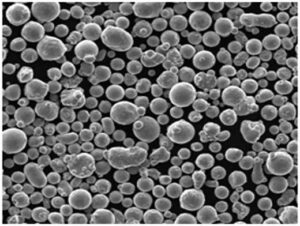
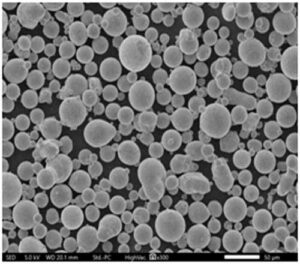
الخطوة الخامسة هي مراقبة الجودة والتعبئة. يتم أخذ عينات من كل دفعة لفحص خصائصها الكيميائية، وتوزيع الحجم الجسيمي (PSD)، وقابلية التدفق، والشكل المورفولوجي باستخدام المجهر الإلكتروني الماسح (SEM)، ثم يتم إغلاقها محكمًا في عبوات مقاومة للرطوبة تحت غلاف من غاز الأرجون.
طريق بديل، وهو عملية القطب الدوار بالبلازما (PREP), ، ينتج مسحوقًا أنظف بشكل أكبر ولا يحتوي عمليًّا على أي جسيمات ثانوية، ولكن بتوزيعات حبيبية أكثر خشونة وتكلفة أعلى. ويتم اختيار PREP FeNi42 بشكل أساسي للضغط الإيزوستاتيكي الساخن والأعمال الصعبة في مجال الفضاء. ويتوفر FeNi42 المرشوش بالماء في صناعة الأجزاء المنضغطة والمتكلسة منخفضة التكلفة، لكن شكله غير المنتظم وارتفاع نسبة الأكسجين فيه يستبعدانه من الاستخدام في صناعة النوى المغناطيسية بتقنية التصنيع الإضافي (AM).
التطبيقات حسب القطاع: الطب، والفضاء، وتوليد الطاقة
يُستخدم مسحوق FeNi42 المغناطيسي اللين في الصناعات التي تتطلب التوافق بين الوظيفة المغناطيسية واستقرار الأبعاد في مكون واحد. وهو التطبيقات تشمل مجالات الإلكترونيات، والفضاء، والأجهزة الطبية، وتوليد الطاقة.
في مجال الإلكترونيات وتغليف أشباه الموصلات، كان الاستخدام الأكبر تاريخياً لسبائك 42 (FeNi42) هو تشكيل إطارات الرصاص، وقواعد العبوات المحكمة الإغلاق، وفتحات التوصيل المختومة بين الزجاج والمعدن. ويتيح التصنيع الإضافي الآن إنتاج أشكال هندسية معقدة للتغليف، وقنوات تبريد مدمجة، ووحدات توصيل مخصصة بكميات صغيرة، وهو ما لا يمكن تحقيقه بطريقة اقتصادية باستخدام عمليات الختم والتشغيل الآلي. ويحافظ معامل التمدد المنخفض على سلامة الأختام خلال إعادة تدفق اللحام والدورات الحرارية أثناء التشغيل.
في قطاعي الفضاء والدفاع، يتم اختيار سبيكة FeNi42 لتصنيع أغلفة الحماية المغناطيسية، وأغلفة أجهزة الاستشعار، والهياكل الموجهة للتدفق المغناطيسي داخل أنظمة إلكترونيات الطيران. وتستفيد الأقمار الصناعية والأجهزة التي تتعرض لتقلبات واسعة في درجات الحرارة من الأبعاد شبه الثابتة لهذه السبيكة. تتيح الطباعة بتقنية LPBF باستخدام سبيكة FeNi42 أن تتوافق أشكال الحماية مع محيط الأجزاء الإلكترونية التي تحميها، مما يوفر في الكتلة والحجم. كما يمكن استخدام مواد خام من نفس دفعات المسحوق قولبة الحقن المعدنية (MIM) للأجزاء الصغيرة ذات الكميات الكبيرة مثل أغلفة الموصلات ومكونات المرحلات.
في مجال التكنولوجيا الطبية، تُستخدم هذه السبيكة في المداخل المانعة للتسرب الخاصة بمولدات النبضات القابلة للزرع، والمكونات المغناطيسية في أجهزة التصوير، وعناصر الحماية المستخدمة في التشخيصات الحساسة. ويجعلها الجمع بين الخصائص الكيميائية السطحية المستقرة بيولوجيًا، والإغلاق المانع للتسرب مع السيراميك، وسلوكها غير المغناطيسي الحديدي عند وجود مغناطيسات مجاورة في الحقول المغناطيسية الخاضعة للتحكم، خيارًا عمليًّا في الحالات التي قد تتداخل فيها المغناطيسات الأقوى مع عملية التصوير.
في مجال توليد الطاقة وتحويلها، تُستخدم نوى وأجزاء الحماية المصنوعة من سبيكة FeNi42 في محولات القياس، وأجهزة استشعار التيار، وأنظمة التحكم الإلكترونية الخاصة بالتوربينات والمعدات الكهربائية. وهنا تتفوق هذه السبيكة في استقرار النفاذية عبر نطاق درجات الحرارة بدلاً من سعة التدفق الخام. كما أن انخفاض معدل تمددها يمنع انحراف الفجوة الهوائية في الدوائر المغناطيسية الدقيقة، وهو أحد أسباب الفشل الشائعة في مواد النوى ذات معدل التمدد الأعلى.
وبالإضافة إلى هذه القطاعات الرئيسية، يُستخدم المسحوق في تصنيع نماذج أولية للنوى المغناطيسية اللينة على نطاق الأبحاث، حيث تتيح التصنيع الإضافي (AM) إجراء تكرار سريع لتصاميم النوى، مثل الحلقات المغناطيسية ذات اللفات المدمجة ومسارات التدفق ثلاثية الأبعاد التي لا يمكن تحقيقها باستخدام المكدسات المصفحة. وتعمل المعالجة اللاحقة عن طريق الضغط الإيزوستاتيكي الساخن (HIP) على سد المسامية المتبقية في الأجزاء المطبوعة ورفع النفاذية إلى مستويات قريبة من تلك الخاصة بالمعادن المشكّلة، مما يوسع نطاق استخدام FeNi42 ليشمل الأدوار الحاسمة في عملية التأهيل.
المقارنة مع الدرجات الأخرى وخيارات أنظمة السبائك البديلة
يحتل FeNi42 مكانة محددة في السوق، وينبغي على المشترين التأكد من أن هذه هي المكانة المناسبة قبل اتخاذ قرار الشراء. ويقارن الجدول أدناه هذا المنتج مع البدائل الأكثر شيوعًا ضمن فئة المساحيق المغناطيسية اللينة.
FeNi42 مقارنةً بالسبائك المغناطيسية اللينة البديلة
| الممتلكات | FeNi42 | FeNi50 | فيكو 50 | FeSi (6.5% Si) |
|---|---|---|---|---|
| كثافة تدفق التشبع | 1.2–1.4 تيرا | 1.5–1.6 تيرا | 2.3–2.4 تيرا | 1.8 طن |
| درجة حرارة كوري | 330–350 درجة مئوية | حوالي 500 درجة مئوية | 940–980 درجة مئوية | حوالي 700 درجة مئوية |
| CTE (20–300 درجة مئوية) | 4.5–5.5 × 10⁻⁶ /K | 8–9 × 10⁻⁶ /K | 10–11 × 10⁻⁶ /K | 11–12 × 10⁻⁶ /K |
| النفاذية النسبية | عالية | عالية جداً | معتدل | معتدل |
| الخسارة النووية (التيار المتردد) | منخفضة | منخفضة جداً | معتدل | منخفضة |
| الليونة / قابلية الطباعة | ممتاز | ممتاز | معتدل، هش | رديء، هش جدًّا |
| الختم الزجاجي / الخزفي | نعم، متطابق | محدودة | لا يوجد | لا يوجد |
| التكلفة النسبية للمسحوق | متوسط | متوسط | عالية | منخفضة |
توضح المقارنة منطق الاختيار. اختر FeNi42 عندما يتطلب التصميم وظيفة مغناطيسية إلى جانب تمدد حراري منخفض، كما هو الحال عادةً في عمليات الختم أو التغليف أو الدوائر المغناطيسية ذات الاستقرار الحراري. اختر FeNi50 عندما تكون الأولوية هي تحقيق أقصى نفاذية عند تدفق مغناطيسي أعلى، ولا توجد قيود على التمدد. اختر FeCo50 عندما تهيمن كثافة تدفق التشبع على التصميم، مع قبول التكلفة الأعلى والليونة الأقل. اختر درجات FeSi للنوى التي تعمل بالتيار المتردد منخفضة التكلفة حيث لا يكون مطابقة التمدد ذات أهمية، على الرغم من أن هشاشتها تعقّد عملية التصنيع بالطباعة ثلاثية الأبعاد.
خارج نطاق عائلة المواد المغناطيسية اللينة، يُقدّم مادة «إنفار» (Invar) (FeNi36) معدل تمدد أقلّ، لكن استجابة مغناطيسية أضعف، في حين أن مادة «كوفار» (Kovar) (FeNi29Co17) تضاهي الزجاج البورسليكاتي بخصائص معززة بالكوبالت، وذلك بسعر أعلى. ولا يُعد أيٌّ منهما بديلاً مباشراً عندما يكون الأداء المغناطيسي اللين شرطاً أساسياً.
بالنسبة لمعظم المشترين، يظل العامل الحاسم هو التوافق مع الاستخدام المقصود: فإذا كان المكون مطلوبًا منه أن يوفر إحكامًا أو حماية أو الحفاظ على فجوة دقيقة عبر نطاق درجات الحرارة، فإن مسحوق FeNi42 المغناطيسي اللين يُعد عادةً الخيار المؤهل الأكثر اقتصادية.
شركتنا
شركة شنغهاي تروير تكنولوجي المحدودة (Shanghai Truer Technology Co., Ltd.) هي شركة موردة لتقنيات التصنيع الإضافي مقرها الصين، تجمع بين معدات تصنيع مسحوق PREP ومساحيق معدنية كروية عالية الجودة. تأسست الشركة في عام 2009 وتعمل في مجال التصنيع الإضافي منذ عام 2019، وتقدم كلاً من الرذاذ الغازي (GA) و تجهيز قدرات تصنيعية تشمل سبائك النيكل، وسبائك التيتانيوم، وسبائك الألومنيوم، والفولاذ المقاوم للصدأ، وسبائك الكوبالت، وسبائك النحاس، وسبائك الانتروبيا العالية، والمواد المتخصصة بما في ذلك الدرجات المغناطيسية اللينة.
تقدم شركة «تروير» خدمات تطوير السبائك المخصصة، وتصنيع النماذج الأولية بكميات صغيرة، والإنتاج على نطاق واسع لقطاعات تشمل صناعة الطيران والفضاء، والغرسات الطبية، والنفط والغاز، والسيارات. وتدير الشركة مركزًا مشتركًا للابتكار في مجال الطباعة ثلاثية الأبعاد للمعادن بالتعاون مع مؤسسات بحثية رائدة، حيث تدعم عملية ضبط التركيب، وتأهيل العمليات، واختبار التطبيقات بدءًا من الطلبات التجريبية وصولاً إلى التوريد المتسلسل.
للاستفسارات المتعلقة بمسحوق FeNi42 المغناطيسي اللين، أو الجسيمات ذات الأحجام المخصصة، أو أي متطلبات أخرى تتعلق بمساحيق المعادن،, اتصل بالفريق.
التعليمات
السؤال 1: ما هو التوزيع النموذجي لأحجام الجسيمات لمسحوق FeNi42 المغناطيسي اللين؟ ج: يتراوح الحجم القياسي لـ LPBF بين 15 و45 ميكرومتر، مع ضبط قيمة D90 عند حوالي 50 ميكرومتر. وتستخدم عمليتا EBM وDED حبيبات أكثر خشونة يتراوح حجمها بين 45 و106 ميكرومتر، في حين تستخدم المواد الأولية لـ MIM مسحوقًا ناعمًا يقل حجمه عن 20 ميكرومتر. وتتوفر توزيعات مخصصة حسب الطلب.
السؤال 2: هل يمكن استخدام مسحوق FeNi42 المغناطيسي اللين في كل من أنظمة SLM وEBM؟ ج: نعم. تُطبع هذه السبيكة بشكل جيد في كل من أنظمة الطباعة بالليزر وأنظمة الطباعة بحزمة الإلكترونات، وذلك بفضل ليونتها الجيدة وحساسيتها المنخفضة للتشقق. ويكمن التعديل الرئيسي في حجم الجسيمات: حيث تستخدم تقنية SLM مسحوقًا يتراوح حجمه بين 15 و45 ميكرومترًا، بينما تستخدم تقنية EBM مسحوقًا يتراوح حجمه بين 45 و106 ميكرومترًا. ويُنصح بإجراء عملية تلدين بعد الطباعة في كلتا الحالتين لاستعادة الأداء المغناطيسي اللين الكامل.
السؤال 3: ما هي الشهادات التي تصاحب مسحوق FeNi42؟ ج: يشمل التوريد القياسي شهادة تحليل لكل دفعة تغطي التركيب الكيميائي، وتقريرًا لكل دفعة يتناول توزيع حجم الجسيمات، ومحتوى الأكسجين، وقابلية التدفق، والكثافة الظاهرية. ويمكن ترتيب إجراء اختبارات من قبل جهات خارجية وتوفير حزم الوثائق الخاصة بقطاع الطيران والفضاء لأغراض برامج التأهيل.
السؤال 4: ما هو الحد الأدنى لكمية الطلب (MOQ) لمسحوق FeNi42 المغناطيسي اللين؟ ج: تبدأ الكميات الدنيا المعتادة للطلب من 5 إلى 10 كجم بالنسبة للدرجة القياسية من مادة LPBF التي يتراوح سمكها بين 15 و45 ميكرومتر. أما التركيبات المخصصة أو القطع ذات الأحجام الخاصة، فتتطلب عمومًا ما بين 20 و50 كجم لتبرير إجراء عملية رش مخصصة.
السؤال 5: هل يمكن تخصيص تركيبة FeNi42؟ ج: نعم. يمكن تعديل محتوى النيكل ضمن النطاق 41.5–42.5% بهدف الوصول إلى معامل تمدد معين أو نقطة كوري، كما يمكن تشديد الحدود الخاصة بالفضاءات البينية للحصول على قلب ذي نفاذية عالية. ومن الممكن أيضًا إضافة كميات صغيرة لتعديل المقاومة الكهربائية أو القوة من خلال عملية صهر مخصصة.
السؤال 6: ما هي المدة الزمنية المعتادة لتسليم طلبات مسحوق FeNi42؟ ج: يتم شحن الدرجات القياسية من المخزون أو في غضون 2–4 أسابيع. أما عمليات التسخين المخصصة والقطع ذات الأحجام غير القياسية فتستغرق عادةً 4–8 أسابيع، بما في ذلك عمليات التذرية والتصنيف واختبارات مراقبة الجودة.