إجابة سريعة
سبائك FeNiCrMn عالية الانتروبيا وهي سبائك متعددة العناصر الرئيسية ذات تركيب متساوي الذرات ومرحلة واحدة بنظام التبلور المكعب المفضل (FCC)، مصممة خصيصًا للتصنيع الإضافي، وتجمع بين الصلابة الاستثنائية في درجات الحرارة المنخفضة، والقدرة العالية على التصلب بالتشغيل، والمقاومة القوية للتآكل في نظام مادة واحد قابل للطباعة. يتم إنتاجها كمسحوق كروي عن طريق التذرية بالغاز أو تقنية PREP، يوفر مسحوق FeNiCrMn عادةً حبيبات بحجم 15-45 ميكرومتر لتقنية LPBF و45-106 ميكرومتر لتقنيتي EBM وDED، مع قوة شد عند التصنيع تبلغ 600-700 ميجا باسكال واستطالة تزيد عن 25 في المائة. إن التوازن بين قابليته للطباعة، وليونته، وأدائه في درجات الحرارة المنخفضة يجعله سبيكة مفضلة في مجالي البحث والإنتاج للمكونات الهيكلية والحرارية والمكونات التي تتطلب مقاومة عالية للتآكل في قطاعات الفضاء والطاقة والطب والأدوات.
| الممتلكات | القيمة |
|---|---|
| نظام السبائك | خليط متساوي الذرات من الحديد والنيكل والكروم والمنغنيز (HEA رباعي المكونات) |
| هيكل الطور | محلول صلب أحادي الطور من نوع FCC |
| الكثافة | 7.9-8.1 غ/سم³ |
| الحجم النموذجي للمسحوق (LPBF) | 15-45 ميكرومتر |
| الحجم النموذجي للمسحوق (EBM/DED) | 45-106 ميكرومتر |
| قوة الشد عند حالة البناء الفعلي | 600-700 ميجا باسكال |
| الاستطالة عند حالة التشغيل الفعلي | 25-35% |
| الميزة الرئيسية | صلابة وليونة فائقتان في درجات الحرارة المنخفضة |
ما هي سبائك FeNiCrMn عالية الانتروبيا ومزاياها المادية؟
سبائك FeNiCrMn عالية الانتروبيا تنتمي إلى مسحوق سبيكة عالية الانتروبيا (HEA) العائلة، وهي فئة من المواد المكونة من أربعة عناصر رئيسية أو أكثر بنسب ذرية متقاربة تقريبًا، بدلاً من عنصر أساسي واحد مهيمن. في هذا النظام الرباعي، يشغل كل من الحديد والنيكل والكروم والمنغنيز ما يقارب 25 في المائة ذريًا من الشبكة البلورية، وتؤدي الإنتروبيا التكوينية العالية الناتجة عن الاختلاط إلى استقرار محلول صلب مكعب مركزي الوجوه بدلاً من المركبات الفلزية الهشة.
يرتبط نظام FeNiCrMn ارتباطًا وثيقًا بسبائك كانتور المعروفة المكونة من خمسة عناصر (CoCrFeMnNi)، والتي تُعد من أكثر المواد دراسةً في علم المعادن الحديث. ومن خلال إزالة الكوبالت، يحتفظ النوع الرباعي بالمصفوفة المبلورة المربعة (FCC) المرغوبة والتحمل الممتاز للتلف، مع تقليل تكلفة المواد الخام والقضاء على المخاوف المتعلقة بتقلبات سلسلة توريد الكوبالت والرقابة التنظيمية في التطبيقات الطبية والطاقة.
من منظور التصنيع الإضافي، توفر هذه السبيكة العديد من المزايا المميزة من حيث الخصائص المادية:
- أداء استثنائي في مجال التبريد الفائق. يحتفظ هيكل FCC بالليونة ومقاومة الكسر حتى درجات حرارة النيتروجين السائل والهيدروجين السائل، وهي درجات حرارة تصبح عندها العديد من أنواع الفولاذ وسبائك التيتانيوم هشة.
- معدل تصلب عالي نتيجة التشغيل. يؤدي التوأم التشوهي أثناء التحميل إلى زيادة القوة بشكل تدريجي، مما يمنح الأجزاء المطبوعة مزيجًا من قوة الخضوع المعتدلة وقوة الشد القصوى العالية جدًّا.
- مقاومة قوية للتآكل والأكسدة. يشكل الكروم طبقة سلبية مستقرة، مما يمنح السبائك مقاومة تضاهي مقاومة الفولاذ المقاوم للصدأ الأوستنيتي في العديد من البيئات المائية.
- قابلية طباعة ممتازة. إن مسار التصلب أحادي الطور الذي لا يتضمن تفاعلات يوتكتية أو بيريتكتية يعني انخفاض قابلية التشقق أثناء عملية الصهر بالليزر، مما يسهل عملية تحديد المعلمات.
- استقرار حراري جيد. تقاوم مصفوفة المحلول الصلب التحلل الطوري على نطاق واسع من درجات الحرارة، مما يتيح استخدامها في ظروف درجات الحرارة المنخفضة والمعتدلة المرتفعة على حد سواء.
يتبع نظام تسمية هذه المجموعة من السبائك قاعدة التسمية العنصرية الشائعة في سبائك الانتروبيا العالية، بدلاً من استخدام رقم درجة موحد؛ لذا سيجد المشترون نفس المادة مكتوبة على النحو التالي: FeNiCrMn، أو Fe25Ni25Cr25Mn25، أو الصيغة المتساوية الذرية Fe-Ni-Cr-Mn، وذلك حسب المورد. عند تحديد مواصفات المسحوق، يُنصح بذكر التركيب المستهدف بالنسب المئوية الذرية أو الوزنية إلى جانب التسمية، لأن الانحرافات الطفيفة عن خط الأساس المتساوي الذرات شائعة بين المنتجين ويمكن أن تؤدي إلى تغيير طاقة عيوب التراص واستجابة التصلب بالعمل.
ونتيجة لهذه الخصائص، انتقل مسحوق FeNiCrMn بسرعة من المختبرات الأكاديمية إلى برامج التأهيل الصناعي، لا سيما في الحالات التي يحتاج فيها المصممون إلى مادة مرنة وقوية ومقاومة للتآكل، يمكن طباعتها بشكل موثوق عبر الصهر الانتقائي بالليزر (SLM), ، وصهر الحزمة الإلكترونية، ومنصات الترسيب بالطاقة الموجهة.
تحليل التركيب الكيميائي وتفصيل دور العناصر الرئيسية
تتمثل السمة المميزة لسبائك «FeNiCrMn» عالية الانتروبيا في النسبة شبه المتساوية بين عناصرها الأربعة الرئيسية. ومن حيث النسبة المئوية بالوزن، يتوزع التركيب بشكل متساوٍ تقريبًا بين الحديد والنيكل والكروم والمنغنيز، مع ضبط دقيق للشوائب البينية لحماية قابلية المسحوق للتدفق والليونة في الحالة النهائية.
التركيب الكيميائي لسبائك FeNiCrMn عالية الانتروبيا
| العنصر | Min (wt%) | ماكس (wt%) | الدور |
|---|---|---|---|
| الحديد | 24.0 | 27.5 | يحقق التوازن بين التكلفة والاستجابة المغناطيسية؛ ويثبّت مصفوفة FCC باستخدام النيكل |
| ني | 25.0 | 28.5 | مثبِّت FCC أساسي؛ يعمل على تحسين المتانة والليونة والأداء في درجات الحرارة المنخفضة جدًّا |
| سجل تجاري | 23.0 | 26.0 | يوفر مقاومة للأكسدة والتآكل من خلال تكوين طبقة واقية |
| مينيسوتا | 24.0 | 27.5 | مثبِّت الأوستينيت؛ يعزز التوأمة الناتجة عن التشوه والتصلب الناتج عن التشغيل |
| ج | – | 0.08 | حد الشوائب؛ حيث يشكل الكربون الزائد كربيدات تقلل من الليونة |
| ا | – | 0.03 | حد جودة المسحوق؛ تؤثر طبقات الأكسيد سلبًا على الترابط بين الطبقات في التصنيع الإضافي |
| ن | – | 0.05 | الحد البيني؛ يتم التحكم فيه للحفاظ على الاستطالة |
| سي | – | 0.5 | بقايا الناتجة عن عملية الصهر؛ يتم الحفاظ على مستواها منخفضًا لتجنب تكوّن السليسايد |
يؤدي كل عنصر وظيفة معدنية متميزة. فالنيكل هو أقوى مكون مكون للأوستينيت في النظام، وهو المسؤول بشكل كبير عن الليونة التي تحتفظ بها السبيكة عند درجات الحرارة شديدة البرودة. أما الكروم، على الرغم من أنه مكون للفيريت في علم المعادن التقليدي للفولاذ، فإنه يندمج هنا في المحلول الصلب FCC ويوفر طبقة سطحية سلبية من Cr2O3 التي تدعم مقاومة التآكل. يقلل المنغنيز من طاقة عيوب التراص، مما ينشط اللدونة الناتجة عن التوأمة أثناء التشوه ويمنح السبيكة سلوكها المميز في التصلب بالعمل. ويكمل الحديد التوازن المتساوي الذرات ويقلل بشكل كبير من تكلفة السبيكة مقارنة بأنظمة HEA المحتوية على الكوبالت.
بالنسبة لمشتري المساحيق، تستحق حدود الأكسجين والنيتروجين اهتمامًا خاصًا. فزيادة محتوى الأكسجين عن حوالي 300 جزء في المليون تزيد من خطر ظهور شوائب أكسيدية عند حدود حوض الصهر، والتي تعمل كمواقع لبدء التشقق تحت تأثير الأحمال الإرهاقية. ويقوم الموردون ذوو السمعة الطيبة بالإبلاغ عن قيم الأكسجين والنيتروجين والهيدروجين في كل شهادة تحليل، وينبغي مقارنة هذه الأرقام بين كل دفعة وأخرى عند تقييم مصدر المسحوق.
الخصائص الفيزيائية والميكانيكية عند درجة حرارة الاختبار القياسية
في درجة حرارة الغرفة، تُظهر سبائك «FeNiCrMn» عالية الإنتروبيا خصائص ميكانيكية تتمثل في مقاومة انثناء معتدلة، وقوة قصوى عالية، وليونة استثنائية. تعكس القيم الواردة أدناه خصائص مادة LPBF كما هي عند تصنيعها، والتي تم اختبارها عند درجة حرارة الاختبار القياسية (23 ± 5 درجة مئوية)، إلى جانب القيم المرجعية للسبائك المعالجة بالطرق التقليدية.
الخصائص الرئيسية
| الممتلكات | القيمة | الوحدة |
|---|---|---|
| الكثافة | 7.9-8.1 | جم/سم3 |
| نطاق الذوبان | 1300-1350 | ج |
| الموصلية الحرارية (RT) | 12-14 | W/m·K |
| معامل التمدد الحراري | 15-17 x 10-6 | /K |
| مقياس يونغ&8217;معامل يونغ&8217 | 190-210 | جيجا باسكال |
| حد القوة (LPBF حسب التصميم) | 450-550 | ميجا باسكال |
| قوة الشد (للمادة المصنعة بتقنية LPBF) | 600-700 | ميجا باسكال |
| الاستطالة عند الكسر (LPBF حسب التصميم) | 25-35 | % |
| الصلابة (حسب حالة البناء) | 170-220 | HV |
| طاقة الصدمة وفقًا لاختبار شاربي (RT، الفولاذ المطاوع) | >200 | J |
| مقاومة الكسر (في درجات الحرارة المنخفضة جدًّا، للمعدن المطروق) | >200 | ميجراون/متر¹/² |
تُعد العديد من خصائص هذه المجموعة من الخصائص مهمة لمهندسي التصميم. أولاً، الفجوة بين مقاومة الخضوع ومقاومة الشد القصوى كبيرة، وهو ما يعكس التصلب الناتج عن التوأمة القوي في هذه السبيكة، ويمنح المكونات المطبوعة احتياطيًا كبيرًا من اللدونة قبل حدوث الفشل. ثانياً، يعتبر الاستطالة التي تتراوح بين 25 و35 في المائة في الحالة التي تم تصنيعها عليها مرتفعة بشكل غير معتاد بالنسبة لمعدن مُصنَّع بطريقة التصنيع الإضافي، وعادةً ما تتحسن هذه النسبة بشكل أكبر بعد الضغط الإيزوستاتيكي الساخن أو المعالجة الحرارية للتجانس عند درجة حرارة تتراوح بين 1000 و1150 درجة مئوية.
ثالثًا، والأمر الأكثر تميزًا، أن الخصائص الميكانيكية تتحسن بدلًا من أن تتدهور مع انخفاض درجة الحرارة. عادةً ما تتجاوز قوة الشد عند 77 كلفن 1000 ميجا باسكال، بينما يظل الاستطالة أعلى من 30 في المائة، وهو مزيج لا يمكن أن تضاهيه سوى القليل من السبائك القابلة للطباعة. وتُعد هذه الميزة المبردة السبب الوحيد الأكثر تكرارًا لاختيار سبائك FeNiCrMn بدلاً من الفولاذ المقاوم للصدأ الأوستنيتي التقليدي في الغاز المسال ومعدات الدفع الفضائي.
كما أن الخصائص الفيزيائية تدعم قابلية المعالجة باستخدام تقنية التصنيع الإضافي (AM). فالموصلية الحرارية المنخفضة نسبيًّا تساعد في الحفاظ على استقرار بركة الانصهار، كما أن معامل التمدد الحراري يقع ضمن نطاق معتدل يحد من تراكم الإجهاد المتبقي في النماذج الكبيرة الحجم.
مواصفات المسحوق: توزيع الحجم وتوافر الدرجات
يتم توريد مسحوق FeNiCrMn المخصص للتصنيع الإضافي على شكل جسيمات كروية ذات توزيعات حجمية خاضعة لرقابة صارمة ومتوافقة مع كل عملية من عمليات التصنيع الإضافي. يجب على المشترين تحديد العملية المستهدفة عند الطلب، حيث يتم إنتاج نفس التركيب الكيميائي بقطع مختلفة وكثافات ظاهرية ومواصفات تدفق متنوعة.
المواصفات المتوفرة
| المعلمة | المعيار/القيمة |
|---|---|
| توزيع حجم الجسيمات (LPBF) | 15-45 ميكرومتر، 15-53 ميكرومتر |
| توزيع حجم الجسيمات (EBM) | 45-106 ميكرومتر |
| توزيع حجم الجسيمات (DED/الطلاء) | 53-150 ميكرومتر |
| توزيع حجم الجسيمات (MIM) | 0-25 ميكرومتر (رذاذ مائي/غازي) |
| الكروية | >= 0.90 (GA)، >= 0.95 (PREP) |
| الكثافة الظاهرة | >= 4.2 غ/سم³ |
| كثافة الحنفية | >= 4.8 غ/سم³ |
| معدل التدفق في القاعة | <= 18 ثانية/50 غرامًا |
| محتوى الأكسجين | <= 300 جزء في المليون |
| معدل الجسيمات المجوفة/الساتلية | منخفض (يعتمد على العملية) |
| التعبئة والتغليف | مغلفة بالفراغ، ومملوءة بغاز الأرجون، 1-50 كجم |
| تركيبة مخصصة | متوفر عند الطلب |
بالنسبة لتقنية انصهار مسحوق السرير بالليزر، توفر الفئة الحجمية 15-45 ميكرومتر التوازن الأمثل بين الدقة والجدوى الاقتصادية لإعادة استخدام المسحوق، في حين أن الفئة الحجمية 15-53 ميكرومتر تقلل التكلفة بالنسبة للأجزاء الأقل تعقيدًا من الناحية الهندسية. أما أنظمة الحزمة الإلكترونية، فتتطلب الفئة الحجمية الأكبر 45-106 ميكرومتر لتحمل بيئة الفراغ وطاقة الحزمة الأعلى دون تشتت المسحوق.
وبالإضافة إلى التصنيع الإضافي، يتوفر مسحوق FeNiCrMn أيضًا في قطع مناسبة لعمليات القولبة بالحقن المعدني، والضغط الإيزوستاتيكي الساخن، والرش البارد، والطلاء بالرش الحراري، مما يتيح لفرق الهندسة إنشاء نماذج أولية باستخدام التصنيع الإضافي والانتقال إلى طرق علم المعادن المسحوقية التقليدية للإنتاج بكميات كبيرة باستخدام نفس التركيب الكيميائي المعتمد.
عملية التصنيع: خطوات الرش بالغاز وفحص الجودة
يُنتج مسحوق FeNiCrMn الكروي بشكل أساسي عن طريق الرذاذ الغازي (GA), ، حيث يتم تفكيك تيار السبيكة المصهورة بالحث الفراغي بواسطة نفاثات الأرجون أو النيتروجين عالية الضغط إلى قطرات دقيقة تتصلب لتشكل جسيمات كروية أثناء تحركها. ونظرًا لأن العناصر الأربعة في هذا النظام تتمتع بسلوك انصهار وقابلية ذوبان متبادل متشابهة، فإن السبيكة تنصهر بشكل متجانس وتتحول إلى رذاذ مع إنتاجية جيدة في الفئات الحجمية المستهدفة، مما يحافظ على تكلفة إنتاج معتدلة مقارنةً بأنظمة السبائك الأكثر عرضة للانفصال.
بالنسبة للتطبيقات التي تتطلب أعلى درجات نقاء للمسحوق، فإن عملية القطب الدوار بالبلازما (PREP) يقدم هذا الأسلوب بديلاً لا يستخدم البوتقة، حيث يتم صهر قضيب من سبيكة دوار بواسطة قوس بلازمي، مما يؤدي إلى قذف قطرات بفعل القوة الطردية المركزية. ويتميز مسحوق PREP بتلوث خزفي يقترب من الصفر، وامتصاص منخفض جدًّا للأكسجين، ودرجة كروية تزيد عن 0.95، وإن كان يتميز بتوزيع حجمي نمطي أكثر خشونة وتكلفة وحدة أعلى.
ويلي عملية الرش سلسلة صارمة من عمليات فحص الجودة:
- الغربلة والتصنيف الهوائي فصل المسحوق إلى فئات الحجم المحددة وإزالة الجسيمات الأكبر والأصغر من الحجم المطلوب.
- اختبار قابلية التدفق والكثافة التحقق من معدل تدفق هول، والكثافة الظاهرية، وكثافة الضغط، ومقارنتها بمواصفات الإصدار.
- التحليل الكيميائي تُجري شركة ICP-OES تحليلًا بالغاز الخامل، ويؤكد هذا التحليل التركيب العنصري ومستويات الأكسجين والنيتروجين والهيدروجين في كل دفعة.
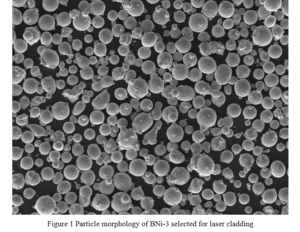
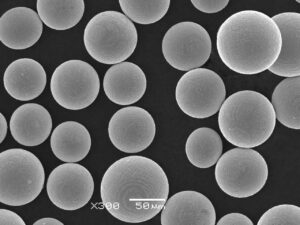
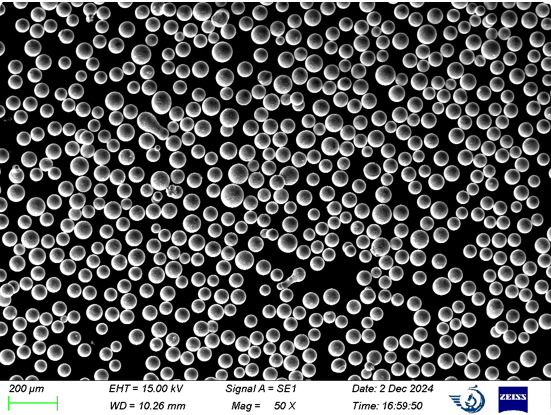
- فحص الشكل تقوم تقنية SEM بفحص الكروية، ومحتوى الجسيمات التابعة، وحالة الأكسيد السطحي.
- تقييم المسامية والفراغات الداخلية عن طريق التحليل المعدني للمقاطع العرضية أو التصوير المقطعي بالأشعة السينية للكشف عن الجسيمات المجوفة المحتوية على غاز.
- التوثيق وإمكانية التتبع أكمل العملية بتقديم شهادة تحليل ورقم الدفعة وعينة محفوظة لكل شحنة.
كما أن استراتيجية إعادة الاستخدام مهمة أيضًا من الناحية الاقتصادية للإنتاج. وعادةً ما يقوم مستخدمو تقنية LPBF بتجديد مسحوق FeNiCrMn المعاد تدويره بنسبة 30-50 في المائة من المواد البكر في كل دورة بناء، كما يراقبون امتصاص الأكسجين بعد كل جولة إعادة استخدام، لأن الجسيمات الدقيقة التي يقل حجمها عن 15 ميكرومتر تميل إلى تراكم الأكسيد. وبفضل المعالجة في جو الأرجون والغربلة في حلقة مغلقة، يظل المسحوق ضمن المواصفات المطلوبة لمدة تتراوح بين خمس وثماني دورات إعادة استخدام في معظم بيئات الإنتاج.
إن هذا النظام الصارم للفحص هو ما يحول سبيكة ذات جودة مختبرية إلى مادة استهلاكية جاهزة للإنتاج. عند تقييم الموردين، اطلب الحصول على البيانات الكيميائية والمورفولوجية الكاملة على مستوى الدفعة بدلاً من القيم النموذجية الواردة في أوراق البيانات الفنية، لأن مساحيق HEA الناتجة عن عمليات رش مختلفة قد تختلف بشكل ملحوظ في محتوى الأكسجين ونسبة الجسيمات الدقيقة، وكلاهما يؤثر على قابلية التوزيع والكثافة النهائية.
التطبيقات حسب القطاع: المكونات الهيكلية والحرارية ومكونات مقاومة التآكل
تشمل مجموعة تطبيقات سبائك «FeNiCrMn» عالية الانتروبيا المكونات الهيكلية والحرارية والمكونات المعرضة للتآكل بشكل كبير، وتحتل مجالات التطبيق الخمسة التالية الصدارة حاليًا في الاستخدام الصناعي. تتوفر المزيد من التفاصيل حول حالات الاستخدام في مختلف القطاعات على التطبيقات الصفحة.
1. معدات الغازات المبردة والمسالة. هذا هو التطبيق الرئيسي. تستفيد الصمامات، ودوارات المضخات، ووصلات الفلنجات، ومكونات التخزين المستخدمة في خدمات الغاز الطبيعي المسال والهيدروجين السائل والنيتروجين السائل بشكل مباشر من الليونة التي تحتفظ بها السبيكة وقوتها المتزايدة في درجات الحرارة المنخفضة. ويضيف التصنيع الإضافي قيمة من خلال دمج التجميعات متعددة الأجزاء في مكونات مطبوعة واحدة، مما يلغي وصلات اللحام التي كانت ستشكل، لولا ذلك، مواقع لبدء حدوث الكسور في الاستخدامات المبردة.
2. المكونات الهيكلية ومكونات الدفع في مجال الفضاء الجوي. يتم طباعة الدعامات، والأنابيب، ومشعبات نظام الوقود، والمبادلات الحرارية باستخدام سبيكة FeNiCrMn في الحالات التي يحتاج فيها المصممون إلى مقاومة للتآكل من فئة الفولاذ المقاوم للصدأ مع صلابة كسر أفضل في درجات الحرارة المنخفضة. كما تعمل برامج بحثية على تقييم هذه السبيكة لاستخدامها في حاقنات محركات الصواريخ ومكونات المضخات التوربينية، حيث تتطلب الدورات الحرارية بين الوقود المبرد شديد البرودة وحرارة الاحتراق استقرارًا في الحالة الفيزيائية يتوافر تمامًا في هذا النظام.
3. معدات الطاقة والمعالجة الكيميائية. في مصانع النفط والغاز والكيماويات، تُستخدم هذه السبائك في الأجزاء الداخلية للصمامات ومكونات المضخات وعناصر المبادلات الحرارية المعرضة للوسائط المسببة للتآكل في ظل تقلبات واسعة في درجات الحرارة. ويوفر الغشاء الساكن الناتج عن الكروم مقاومة للتآكل المائي تضاهي مسحوق الفولاذ المقاوم للصدأ الأنواع مثل 316L، في حين تضفي مصفوفة HEA قدرة فائقة على الاحتفاظ بالصلابة في البيئات الحمضية وذات درجات الحرارة المنخفضة.
4. الأدوات ومكونات التآكل. يؤدي معدل التصلب الناتج عن التشغيل المرتفع لهذه السبيكة إلى تقوية السطح في ظل التلامس الانزلاقي والتلامس الناتج عن الصدمات. تُظهر إدخالات قوالب الحقن المُبردة بشكل مطابق، وقوالب التشكيل، والأكمام المقاومة للتآكل المطبوعة من مادة FeNiCrMn تصلبًا تدريجيًا للسطح أثناء الاستخدام، مما يطيل عمر الأداة مقارنةً بمواد الأدوات التقليدية المُصلبة مسبقًا، بينما تعمل قنوات التبريد المدمجة في التصنيع الإضافي (AM) على تقليل أوقات الدورات.
5. الهياكل الطبية الحيوية والبحثية. تُعد التركيبة الخالية من الكوبالت خيارًا جذابًا لأبحاث الأجهزة الطبية التي يُشكل فيها انبعاث الكوبالت مصدر قلق، ويجري حاليًا تقييم هذه السبيكة لاستخدامها في نماذج أولية للأدوات الجراحية وأدوات جراحة العظام. وبصرف النظر عن المنتجات المحددة، يُعد مسحوق FeNiCrMn أحد أكثر مواد السبائك عالية الانتروبيا (HEA) طلبًا من قبل الجامعات والمختبرات الوطنية، باعتباره نموذجًا لنظام FCC عالي الانتروبيا يُستخدم في تصميم السبائك، والمواد المتدرجة، وأبحاث البنية الشبكية.
في جميع المجالات الخمسة، يظهر نمط مشترك في استخدام هذه السبيكة: لا يختار المهندسون هذه السبيكة لأنها تحقق أقصى مستوى من خاصية معينة، بل لأنها تجمع بين قابلية الطباعة، والليونة، ومقاومة التآكل، والمتانة في درجات الحرارة المنخفضة جدًّا في مادة واحدة مؤهلة، مما يقلل من الحاجة إلى التجميعات متعددة المواد.
المقارنة مع المواد المماثلة والاختلافات الرئيسية في الخصائص
عادةً ما يتم اختيار المواد لبرامج التصنيع الإضافي (AM) من خلال مقارنة سبيكة FeNiCrMn بنظيرتها المكونة من خمسة عناصر CoCrFeMnNi، وبالفولاذ المقاوم للصدأ الأوستنيتي 316L الذي يُعد الخيار الأكثر شيوعًا، وبالفولاذ عالي القوة مساحيق أساسها النيكل مثل «إنكونيل 718».
السبائك التي تحتوي على الحديد والنيكل والكروم والمنغنيز مقابل السبائك البديلة
| الممتلكات | FeNiCrMn HEA | CoCrFeMnNi (كانتور) | ستانلس ستانلس 316L | انكونيل 718 |
|---|---|---|---|---|
| الكثافة (جم/سم³) | 7.9-8.1 | 8.0 | 8.0 | 8.2 |
| قوة الشد عند التسليم (ميجا باسكال) | 600-700 | 550-680 | 550-650 | 1100-1300 |
| الاستطالة عند التصنيع (%) | 25-35 | 25-40 | 30-45 | 12-20 |
| الصلابة في درجات الحرارة المنخفضة جدًّا | ممتاز | ممتاز | جيد | معتدل |
| مقاومة التآكل | عالية | عالية | عالية | عالية جداً |
| أقصى درجة حرارة تشغيل (درجة مئوية) | ~800 | ~800 | ~870 | ~700 |
| محتوى الكوبالت | لا يوجد | ~25 عند % | لا يوجد | ~1% |
| التكلفة النسبية للمسحوق | متوسط | عالية | منخفضة | متوسط-مرتفع |
| قابلية الطباعة | ممتاز | ممتاز | ممتاز | جيد |
بالمقارنة مع سبيكة كانتور، تُظهر سبيكة FeNiCrMn سلوكًا في الطور FCC وأداءً في درجات الحرارة المنخفضة متطابقين تقريبًا، وذلك بتكلفة أقل وبدون استخدام الكوبالت، مما يُسهّل عملية التوريد والحصول على الاعتماد الطبي. بالمقارنة مع 316L، توفر هذه السبيكة صلابة فائقة في درجات الحرارة المنخفضة وتصلبًا بالعمل بتكلفة إضافية معتدلة، مما يجعلها الخيار الأفضل للترقية عندما تصل 316L إلى حدودها في درجات الحرارة المنخفضة أو حدود التعب. بالمقارنة مع Inconel 718، فإنها تتخلى عن القوة في درجة حرارة الغرفة ولكنها تفوز بشكل حاسم في الليونة والمتانة وقابلية الطباعة الخالية من التشققات، وبالتالي فإن السبيكتين تعالجان حالات تصميم متكاملة بدلاً من أن تكونا متنافستين.
قاعدة الاختيار العملية واضحة ومباشرة: اختر سبائك الحديد والنيكل والكروم والمنغنيز (FeNiCrMn) عندما تكون الصلابة في درجات الحرارة المنخفضة جدًّا، والليونة، ومقاومة التآكل هي العوامل الحاسمة في التصميم؛ واختر سبائك «إنكونيل 718» (Inconel 718) عندما تكون الأولوية للقوة عند درجات الحرارة العالية الناتجة عن تقوية الترسيب؛ واختر سبائك 316L عندما تكون التكلفة هي العامل المهيمن وتظل درجات حرارة التشغيل معتدلة.
شركتنا
شركة شنغهاي تروير تكنولوجي المحدودة (Shanghai Truer Technology Co., Ltd.) هي شركة مقرها الصين متخصصة في مجال التصنيع الإضافي، وتجمع بين معدات تصنيع مسحوق PREP ومساحيق معدنية كروية عالية الجودة. تأسست الشركة في عام 2009، وتقدم كلاً من الرذاذ الغازي (GA) و تجهيز قدرات تصنيعية تشمل سبائك النيكل، وسبائك التيتانيوم، وسبائك الألومنيوم، والفولاذ المقاوم للصدأ، وسبائك الكوبالت، وسبائك النحاس، وسبائك الانتروبيا العالية، والمواد المتخصصة.
تقدم شركة «تروير» خدمات تطوير السبائك المعدنية حسب الطلب، وتصنيع النماذج الأولية بكميات صغيرة، والإنتاج على نطاق واسع لقطاعات تشمل صناعة الطيران، والغرسات الطبية، والنفط والغاز، وصناعة السيارات. وتدير الشركة مركزًا مشتركًا للابتكار في مجال الطباعة ثلاثية الأبعاد للمعادن بالتعاون مع مؤسسات بحثية رائدة.
للاستفسارات المتعلقة بسبائك FeNiCrMn عالية الانتروبيا أو أي احتياجات أخرى من مساحيق المعادن،, اتصل بالفريق.
التعليمات
السؤال 1: ما هو التوزيع النموذجي لأحجام الجسيمات في سبائك «FeNiCrMn» عالية الانتروبيا؟ ج: بالنسبة لأنظمة LPBF، يتراوح الحجم القياسي بين 15 و45 ميكرومتر أو بين 15 و53 ميكرومتر، بينما تستخدم تقنية EBM أحجامًا تتراوح بين 45 و106 ميكرومتر، وتستخدم تقنية DED أحجامًا تتراوح بين 53 و150 ميكرومتر. وتتوفر قطع أدق تقل عن 25 ميكرومتر لتقنية MIM، ويتم توفير جميع الفئات على شكل مسحوق كروي مع بيانات توزيع الحجم (PSD) كاملة في شهادة التحليل.
السؤال 2: هل يمكن استخدام سبائك FeNiCrMn عالية الانتروبيا في كل من أنظمة SLM وEBM؟ ج: نعم. يمنح مسار التصلب أحادي الطور FCC السبيكة مقاومة منخفضة للتشقق في كل من منصات الليزر وحزمة الإلكترونات. وتحقق تقنية SLM عمومًا بنية مجهرية أدق قليلاً وقوة أعلى، في حين أن غرفة البناء الساخنة في تقنية EBM تقلل بشكل أكبر من الإجهاد المتبقي في المكونات الكبيرة.
السؤال 3: ما هي الشهادات التي تصاحب مسحوق FeNiCrMn؟ ج: يتم شحن كل دفعة مصحوبة بشهادة تحليل تشمل التركيب الكيميائي، ومحتوى الأكسجين والنيتروجين، وتوزيع حجم الجسيمات، ومعدل التدفق، والكثافة الظاهرية. وتُعد إمكانية تتبع الدُفعات والاحتفاظ بالعينات من الإجراءات القياسية، ويمكن ترتيب إجراء اختبارات من قبل جهات خارجية عند الطلب.
السؤال 4: ما هو الحد الأدنى لكمية الطلب (MOQ) لمسحوق FeNiCrMn؟ ج: تتوفر الدرجات القياسية عادةً بكميات تتراوح بين 1 و5 كجم لأغراض البحث وتطوير المعلمات. أما كميات الإنتاج، فتُورد في عبوات مختومة بالفراغ ومغسولة بالأرجون، تتراوح أوزانها بين 25 و50 كجم، مع تسعير يتناسب مع كمية الطلب.
السؤال 5: هل يمكن تخصيص تركيبة FeNiCrMn؟ ج: نعم. يمكن تعديل نسب العناصر حول خط الأساس المتساوي الذرات، كما يمكن إضافة عناصر ثانوية مثل الألومنيوم أو التيتانيوم أو الموليبدينوم أو الكربون لضبط القوة أو طاقة عيوب التراص أو سلوك الترسيب. ويتم تطوير التركيبات الكيميائية المخصصة من خلال خدمة تطوير السبائك التي يقدمها المورد، وذلك عن طريق إنتاج دفعات تجريبية صغيرة في البداية.
السؤال 6: ما هي المدة الزمنية المعتادة لتجهيز طلبات مسحوق FeNiCrMn؟ ج: عادةً ما يتم شحن المقاسات المتوفرة من التركيبات القياسية في غضون أسبوع إلى أسبوعين. أما التركيبات المخصصة أو المساحيق عالية النقاء من فئة PREP، فتستغرق عادةً من أربعة إلى ثمانية أسابيع، اعتمادًا على جدول عمليات الرش وحزمة وثائق الجودة المطلوبة.