إجابة سريعة
مسحوق سبيكة عالية الانتروبيا من FeCoMnNiCu هي مادة خام كروية مكونة من خمسة عناصر متكافئة تقريبًا في التركيب (حوالي 20 at% من كل من الحديد والكوبالت، والمنغنيز والنيكل والنحاس) تنتمي إلى عائلة السبائك عالية الإنتروبيا (HEA)، وتُورد لاستخدامها في عمليات انصهار مسحوق الليزر، وترسيب الطاقة الموجه، والطباعة بالحقن بالرابط، بالإضافة إلى أبحاث علم المعادن المسحوقية والإنتاج التجريبي. تشكل السبيكة مصفوفة محلول صلب ذات بنية مكعبة مركزية الوجه (fcc) في الغالب، مع ميل جزء النحاس إلى الانفصال إلى مناطق غنية بالنحاس بين التشعبات أثناء التصلب، وهو سلوك يجب على المشترين فهمه قبل تحديد الدرجة، لأنه يؤثر على كل من إمكانية ضبط الخصائص المميزة للسبيكة وحساسيتها في المعالجة. تشمل الخصائص النموذجية كثافة تتراوح بين 8.3 و8.4 جم/سم³، ونطاق انصهار يبلغ تقريبًا 1250-1400 درجة مئوية، ومقاومة شد عند الحالة الأولية أو بعد الصب تتراوح بين 400 و550 ميجا باسكال مع استطالة تتراوح بين 20 و40%، وصلابة تتراوح بين 150 و200 HV، مع هامش كبير للتخصيص من خلال تعديل التركيب، والمعالجة الحرارية للتجانس، ومعلمات عملية التصنيع الإضافي (AM). يتم توفير المسحوق التجاري بحجم 15-53 ميكرون لتقنية LPBF و45-106 ميكرون لتقنيتي DED وEBM، مع كروية تزيد عن 92%، ومحتوى أكسجين أقل من 0.05 بالوزن %، وشهادة كيميائية كاملة لكل عنصر. يُعد FeCoMnNiCu في المقام الأول مادة في مرحلة ما بين البحث والتجربة في عام 2026: يجب على المشترين الذين يقومون بتقييمها العمل مع موردين قادرين على تنفيذ حملات رش مخصصة، والتتبع على مستوى الدُفعات، والتطوير المشترك للمعلمات، كما يجب عليهم تخطيط اختبارات تحديد الخصائص ضمن أي برنامج تأهيل.
ما هي سبائك FeCoMnNiCu عالية الإنتروبيا وما هي مزاياها من الناحية المادية؟
سبائك FeCoMnNiCu عالية الانتروبيا وهي تنتمي إلى عائلة السبائك متعددة العناصر الأساسية التي أحدثت تحولاً جذرياً في مجال البحوث المعدنية على مدار العقدين الماضيين. في حين أن السبائك التقليدية تُصنع من عنصر أساسي واحد مع إضافات طفيفة، فإن السبائك عالية الإنتروبيا تجمع بين خمسة عناصر أو أكثر بنسب متساوية تقريبًا، مستخدمةً إنتروبيا تكوينية عالية لتثبيت مراحل المحلول الصلب البسيطة، مثل fcc أو bcc أو كليهما، بدلاً من الخلائط الفلزية المعقدة التي يتنبأ بها علم المعادن الكلاسيكي من مثل هذه التركيبات. يُعد FeCoMnNiCu مفهومًا مشتقًا من سبيكة كانتور القياسية (CoCrFeMnNi)، حيث يُستبدل الكروم بالنحاس لاستكشاف كيفية قيام عنصر من معادن الانتقال المتأخرة، الذي يتمتع بإنثالبي خلط موجب تجاه العناصر المجاورة له، بإعادة تشكيل سلوك التصلب، والاستجابة للتآكل، والخصائص الوظيفية.
في نطاق مساحيق سبائك عالية الانتروبيا تُعد سبيكة FeCoMnNiCu، المتاحة لأغراض البحث والتطوير في مجال التصنيع الإضافي، جزءًا من القطاع الاستكشافي المتعلق بضبط التركيب. وهي ليست بعد سبيكة هندسية موحدة تحمل تصنيفات AMS أو ASTM؛ بل هي مادة أساسية تكمن قيمتها في ما تتيحه للباحثين والمصنعين المتقدمين من معرفة وإنشاء: هياكل متدرجة وظيفيًا، وأسطح مضادة للبكتيريا ومضادة للتلوث البحري تحتوي على النحاس، وسبائك محلول صلب يمكن ضبط خصائصها عبر نطاقات واسعة عن طريق تعديل نسبة النحاس.
تشمل المزايا المادية التي تحفز البحث والطلب التجريبي على مسحوق FeCoMnNiCu ما يلي:
- مصفوفة fcc أحادية الطور مستقرة: يحافظ الهيكل الأساسي المكون من الحديد والكوبالت والمنغنيز والنيكل على محلول صلب من نوع fcc يتميز بالليونة والمتانة، مع أداء ممتاز في درجات الحرارة المنخفضة، وهو ما ورثه عن عائلة سبائك كانتور.
- الخصائص القابلة للتعديل حسب التركيب: يمكن زيادة نسبة النحاس أو تقليلها لتعديل الكثافة، والتوصيلية، وسلوك التآكل، والاستجابة البيولوجية ضمن نطاق تصميم واسع.
- ليونة وصلابة ممتازتان: عادةً ما توفر مركبات fcc HEAs في هذه المجموعة معدل استطالة يتراوح بين 20 و40% مع صلابة كسر فائقة، حتى في درجات الحرارة شديدة البرودة.
- قابلية المعالجة باستخدام تقنية AM: تُنتج مصفوفة FCC دون مشاكل التشقق التي تعاني منها السبائك الفائقة المقواة بالترسيب، مما يجعل هذه السبيكة منصة ملائمة لأبحاث عملية LPBF.
- الإمكانات الوظيفية: يتيح محتوى النحاس استخدامات في مجالات مقاومة البكتيريا ومكافحة التلوث والتطبيقات الكهربائية التي لا تستطيع معادن HEAs الهيكلية تلبية احتياجاتها.
وبفضل هذه الخصائص، تتيح هذه المادة في شكل مسحوق للمؤسسات البحثية والشركات المصنعة المتطورة إنتاج عينات اختبار ومكونات نماذج أولية وأجزاء وظيفية صغيرة ذات أشكال هندسية يتعذر تحقيقها في قطع HEA المصبوبة، مما يسرع المسار من مرحلة فحص التركيب إلى مرحلة التحقق من صلاحية التطبيق.
مواصفات التركيب الكيميائي وملخص تأثيرات العناصر
يُحدد مركب FeCoMnNiCu بالنسب المئوية الذرية أو الوزنية التي تقترب من النسب المتساوية ذريًّا، وتنتج السمة المعدنية المميزة له، وهي تكتل النحاس، مباشرةً عن الديناميكا الحرارية لتفاعلات أزواج النحاس. يجب على المشترين فهم كل من المواصفات الاسمية والواقع المجهري الذي ينتج عنها.
التركيب الكيميائي لـ FeCoMnNiCu (شبه متساوي الذرات)
| العنصر | حوالي % | الوزن التقريبي % | الدور |
|---|---|---|---|
| الحديد (Fe) | ~20 | ~19 | مثبّت FCC منخفض التكلفة مع المجموعة؛ المساهمة المغناطيسية |
| الكوبالت (Co) | ~20 | ~21 | مثبّت FCC؛ يعزز المتانة والاستقرار الحراري والأداء المغناطيسي |
| المنجنيز (Mn) | ~20 | ~19 | مثبِّت الإنتروبيا؛ يقلل من طاقة عيوب التراص، ويعزز ليونة التوأمة |
| النيكل (ني) | ~20 | ~21 | مثبّت قوي من نوع FCC؛ الليونة، والمتانة، ومستوى التآكل الأساسي |
| النحاس (النحاس) | ~20 | ~22 | عنصر فاصل؛ يضبط الموصلية، ومقاومة التآكل، والخصائص المضادة للبكتيريا |
الحديد والكوبالت والنيكل تشكل العمود الفقري الهيكلي للسبائك. هذه المعادن الانتقالية من المجموعة الثالثة المجاورة قابلة للذوبان المتبادل عبر النطاق الكامل للتركيب، وهي تشكل، إلى جانب المنغنيز، مصفوفة من نوع كانتور ذات الترتيب المكاني المكعب المملوء (fcc): وهو محلول صلب مرن تستمد قوته من تشوه شبكي شديد (حيث يرى كل موقع ذري جيرانًا بأحجام مختلفة)، وتزداد صلابته بدلاً من أن تتدهور عند درجات الحرارة شديدة البرودة، وهو السلوك المميز لهذه العائلة من السبائك.
المنجنيز تسهم في استقرار الانتروبيا الذي أطلق على هذه الفئة اسمها، كما تقلل من طاقة عيوب التراص، مما يؤدي إلى تنشيط التوأمة الناتجة عن التشوه كآلية للليونة. وتعد اللدونة الناتجة عن التوأمة أحد الأسباب التي تجعل هذه السبائك تجمع بين الليونة العالية والتصلب الناتج عن العمل المفيد، كما أنها السبب في أن الأجزاء المطبوعة والمصبوبة تتحمل الإجهاد دون أن تعاني من الهشاشة التي تتسم بها التركيبات التقليدية عالية السبائك.
النحاس هو العنصر الذي يميز التركيب ويُعقِّده. يتمتع النحاس بإنثالبي إيجابي للخلط مع الحديد والكوبالت والمنغنيز، لذا يتم طرده أثناء التصلب من التشعبات الأولية ويتركز في السائل بين التشعبات، مما ينتج عنه بنية مجهرية ذات منطقتين: تشعبات fcc فقيرة بالنحاس ومناطق بين التشعبات fcc غنية بالنحاس. وكلا المنطقتين عبارة عن محاليل صلبة ذات شبكة فاعلة (fcc)، لذا لا تتشكل أي أشكال فاصلة معدنية هشة، لكن الفصل الكيميائي له عواقب عملية يجب على المشترين أخذها في الاعتبار: تختلف استجابة التآكل بين المنطقتين، وهناك حاجة إلى المعالجة الحرارية للتجانس (عادةً ما بين 1000 و1100 درجة مئوية) لتقليل الفصل حيثما تكون الخصائص المتجانسة مهمة، كما أن التصلب السريع في عملية LPBF يُحسّن نطاق الفصل إلى ميكرونات، وهو ما يرى العديد من الباحثين أنه يحسّن بالفعل تجانس الخصائص مقارنةً بالمواد المصبوبة.
بالنسبة لمشتري المساحيق، يجب أن تنص مواصفات التركيب على التفاوتات المسموح بها لكل عنصر (عادةً +/-1 عند % وفقًا لخصائص الحملة المحددة)، بالإضافة إلى الحدود القصوى لـ الأكسجين (أقل من 0.05 بالوزن), ، والنيتروجين، والكربون الناتجة عن عملية الرش، نظرًا لأن العناصر البينية في السبائك عالية الأداء ذات البنية البلورية المكعبة (fcc HEAs) تؤثر على كل من الليونة ومسار التصلب الذي يتسم بالحساسية أصلاً. وعلى عكس السبائك التجارية، فإن كل تركيبة من FeCoMnNiCu تُعتبر فعليًّا صهرًا مخصصًا، وتُعد شهادة التحليل التي تذكر جميع العناصر الخمسة بدقة تصل إلى رقمين عشريين الوثيقة الأساسية التي تثبت الجودة.
نظرة عامة على الخصائص الفيزيائية والميكانيكية وملخص البيانات
باعتبارها سبيكة لا تزال في مرحلة البحث، فإن بيانات خصائص سبيكة FeCoMnNiCu مستمدة من الدراسات المنشورة حول المواد المصبوبة والمجانسة والمصنعة بتقنية LPBF، وتختلف القيم باختلاف مسار المعالجة وحالة التجانس. ويعرض الجدول أدناه نطاقات تمثيلية لأغراض الفرز الهندسي.
الخصائص الرئيسية (النطاقات التمثيلية)
| الممتلكات | القيمة | الوحدة |
|---|---|---|
| الكثافة | 8.3-8.4 | جم/سم3 |
| نطاق الانصهار | 1250-1400 | درجة مئوية |
| التركيب البلوري | مصفوفة fcc + مناطق fcc غنية بالنحاس | – |
| معامل المرونة | 180-200 | جيجا باسكال |
| التوصيل الحراري | 15-25 | W/m*K |
| مقاومة الشد (حالة الصب/حالة البناء) | 400-550 | ميجا باسكال |
| حد الخضوع (حالة الصب/حالة البناء) | 180-300 | ميجا باسكال |
| الاستطالة | 20-40 | % |
| الصلابة | 150-200 | HV |
| صلابة الكسر | مرتفع (سلوك عائلي وفقًا لنظام fcc) | – |
| الصلابة في درجات الحرارة المنخفضة جدًّا | ممتاز (يتحسن عند درجات الحرارة المنخفضة) | – |
إن كثافة تتراوح بين 8.3 و8.4 غم/سم³ تعكس هذه الكثافة المكونات الخمسة الرئيسية وتتوافق بشكل وثيق مع تقديرات «قاعدة الخلائط»، مما يضع السبائك في نفس فئة الوزن التي تندرج فيها سبائك النيكل، وأعلى بكثير من البدائل المصنوعة من الفولاذ والتيتانيوم. وبالنسبة لمستخدمي التصنيع الإضافي، تؤثر الكثافة أيضًا على الجدوى الاقتصادية للمسحوق: حيث إن كتلة طبقة المسحوق لكل وحدة حجم بناء مرتفعة، لذا يجب أن يأخذ تخطيط عملية البناء في الحسبان استهلاك المواد الأولية.
إن نطاق انصهار يتراوح بين 1250 و1400 درجة مئوية يحدد النطاق الزمني للتصلب ذي الصلة بكل من عملية الرش بالرذاذ وتقنية LPBF. ويعكس هذا النطاق الموسع — مقارنةً بالسبائك التقليدية أحادية الطور — مسار فصل النحاس: حيث يتصلب السائل الغني بالنحاس الموجود بين الشوكيات في النهاية، عند الحد الأدنى من هذا النطاق. في تقنية LPBF، يعني هذا أن برك الصهر تمر بمرحلتين من التصلب في كل مسار، وقد تحتاج نطاقات المعلمات التي تعمل مع السبائك المتجانسة ذات التبلور المكعب المواجه (fcc) إلى تعديل، أو تسخين مسبق أعلى، أو استراتيجية مسح معدلة، من أجل إدارة التفرز المجهري بين الشُعب على نطاق دقيق.
من الناحية الميكانيكية, ، يتميز المقطع الجانبي للمادة «كما صُكت» و«كما شُيدت» بخصائص ليونة بارزة: فمقاومة الانحناء التي تتراوح بين 180 و300 ميجا باسكال مع استطالة تتراوح بين 20 و40% تصف مادة متينة وقابلة للتشكيل أكثر من كونها ذات قوة عالية، وهذا هو الإطار الصحيح الذي يجب أن يضعه المشترون في اعتبارهم. لا تكمن قيمة FeCoMnNiCu في القوة القصوى؛ بل في الجمع بين متانة البنية المكعبة المكتظة (fcc)، وإمكانية ضبط التركيب على نطاق واسع، والإمكانات الوظيفية. وعندما تكون هناك حاجة إلى قوة أعلى من نفس المنصة، تدعم الأدبيات البحثية مسارين مثبتين: تقليل محتوى النحاس (Cu) نحو التركيبات الأقوى من نوع كانتور (Cantor)، أو إضافة عناصر تقوية (Al، Ti، Mo) لإدخال ترسبات أو أجزاء من البنية المكعبة المركبة (bcc)، وكلاهما يمكن للموردين الذين يمتلكون قدرة التذرية المخصصة تنفيذه كتركيبات مشتقة.
الخصائص الحرارية والوظيفية لا تزال هذه المجالات محل بحث نشط. وتعتبر الموصلية الحرارية في النطاق 15-25 واط/م*كلفن متواضعة، وهو ما يُعد أمرًا معتادًا في المحاليل الصلبة شديدة التشوه، في حين أن نسبة النحاس ترفع الموصلية الكهربائية وتمنح السلوك المرتبط بإطلاق الأيونات الذي يشكل أساس الاهتمام البحثي بالمضاد للبكتيريا في هذه السبيكة. ويُعد السلوك الميكانيكي في درجات الحرارة المنخفضة، الموروث من عائلة fcc، عاملاً مميزاً حقيقياً: حيث ترتفع القوة والمتانة معاً مع انخفاض درجة الحرارة، مما يجعل منصة السبائك هذه مناسبة لتطبيقات الغاز الطبيعي المسال والهيدروجين والفضاء مع تراكم بيانات التأهيل.
مواصفات الدرجات ونطاقات الأحجام ومعايير مراقبة الجودة
يتم توريد مسحوق FeCoMnNiCu كمواد بحثية وتجريبية مُرشَّشة حسب الطلب، في قطع متوافقة مع العمليات، مع إجراءات توثيق مستوحاة من معايير مسحوق صناعة الطيران.
المواصفات المتوفرة
| المعلمة | المعيار/القيمة |
|---|---|
| ملف PSD لـ LPBF / SLM | 15-53 ميكرومتر (D10 ~22، D50 ~35، D90 ~54) |
| ملف PSD لتقنية DED / الطلاء بالليزر | 45-106 ميكرومتر |
| ملف PSD لطباعة الحبر النفاث | 15-45 ميكرومتر |
| ملف PSD لـ MIM | 0-38 ميكرومتر |
| الكروية | >= 92% |
| معدل التدفق في القاعة | <= 20 ثانية/50 غرام |
| الكثافة الظاهرة | >= 4.4 غ/سم³ |
| محتوى الأكسجين | <= 0.05 wt% (القيمة المضافة <= 0.03 wt%) |
| التحمل الكيميائي | +/-1 عند % لكل عنصر (حملة مخصصة) |
| التعبئة والتغليف | مغلفة بالفراغ أو مملوءة بالأرجون، 5-25 كجم |
إن قطع باستخدام تقنية LPBF بحجم 15-53 ميكرون يخدم هذا التطبيق البحثي الرئيسي للسبائك: طباعة عينات الاختبار، والهياكل الشبكية، ومكونات النماذج الأولية لدراسات التركيب والعملية والخصائص. يتبع توزيع الجسيمات الممارسات القياسية لتقنية LPBF، حيث تقل الجسيمات الدقيقة عن 15 ميكرون في 10%، ويبلغ D50 حوالي 35 ميكرون، كما أن الكثافة العالية للسبائك تمنحها سلوكًا ممتازًا في التدفق والانتشار على أنظمة إعادة الطلاء القياسية. يجب على المشترين في مجال الأبحاث ملاحظة أن الأحجام الصغيرة للحملات تعني أن اتساق الدُفعات يعتمد كليًّا على دقة عملية الصهر لدى المورد؛ ويُعد تحديد العينات المحتفظ بها ومراجعة الشهادات لكل دفعة ممارسة قياسية في مستوى نضج هذه المادة.
قطع باستخدام تقنية DED وتقنية الرش بالمواد الرابطة دعم أبحاث ترسيب الطاقة الموجهة، ودراسات تدرج التركيب (حيث يتم ترسيب FeCoMnNiCu في انتقال متدرج مع سبائك أخرى)، والأجزاء الخضراء المصنعة بتقنية الطباعة بالنفاثة الملصقة (binder-jetted) من أجل تطوير مسار التلبيد. قولبة حقن المعادن (MIM) الكسور تسهم في أبحاث التلبيد المتعلقة بتماسك السبائك عالية الأكسدة (HEA)، وهو مجال أكاديمي نشط.
معايير مراقبة الجودة يجب أن تتضمن حملة HEA المخصصة ما يلي:
- تحليل كيميائي كامل لخمسة عناصر باستخدام تقنية ICP-OES، مع الإبلاغ عن النتائج بدقة رقمين عشريين مقارنةً بالنسب الذرية المحددة.
- تحليل محتوى الأكسجين والنيتروجين والكربون عن طريق الاندماج بالغازات الخاملة وتحليل الاحتراق.
- PSD عن طريق حيود الليزر وفقًا للمعيار ISO 13320 مع قيم D10/D50/D90.
- معدل التدفق وفقًا لمعيار ASTM B213 والكثافة الظاهرية وفقًا لمعيار ASTM B212.
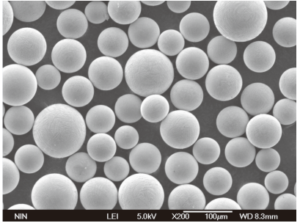
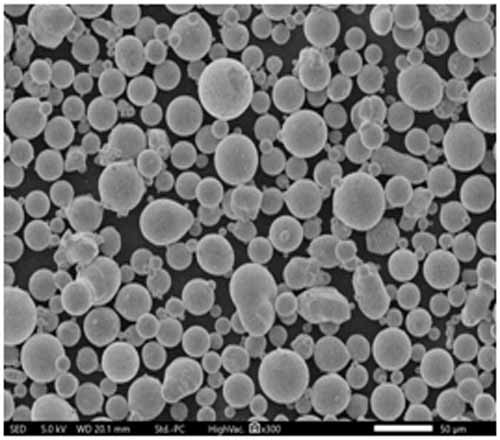
- تصوير المورفولوجيا باستخدام المجهر الإلكتروني الماسح (SEM)، وتحليل الطور بالانعكاس الشعاعي السيني (XRD) للمسحوق — عند الطلب — مما يؤكد بنية المحلول الصلب ذات التراصف المكعب المركزي (fcc).
- إمكانية تتبع عملية الصهر الحراري التي تربط دفعة المسحوق بحملة الصهر بالحث الكهرومغناطيسي المحددة.
ونظرًا لعدم وجود معيار صناعي يحدد هذا التركيب حتى الآن، فإن مواصفات الشراء نفسها هي المعيار: يجب على المشترين تضمين التفاوتات المسموح بها لكل عنصر، والحدود الفاصلة، ومتطلبات التوثيق في طلب الشراء، والتعاون مع الموردين الذين يتعاملون مع حملات HEA المخصصة على أنها منتجات هندسية محددة بدلاً من شحنات من الكتالوج.
خطوات التصنيع من الصهر إلى الشكل النهائي للمنتج المسحوق
يُعد إنتاج مسحوق FeCoMnNiCu عملية مخصصة تعتمد على الصهر الحثي بالفراغ والرش بالغاز الخامل، مع تركيز إجراءات العملية على تجانس خليط العناصر الخمسة وميل النحاس إلى التفرق.
الذوبان تتم العملية في أفران الحث الفراغي باستخدام مواد أولية عالية النقاء: الحديد الكهربائي، وكاثود الكوبالت، والمنغنيز الكهربائي، وكاثود النيكل، والنحاس الخالي من الأكسجين. تتطلب عمليات الصهر المكونة من خمسة عناصر وقتًا أطول للانتظار والتقليب لتحقيق التجانس، لأن الفصل الناتج عن الكثافة في المادة المنصهرة نفسها يمكن أن يؤدي إلى طبقات من المكونات الثقيلة والخفيفة قبل الصب. تؤكد أخذ العينات قبل الصب مع إضافة مواد تصحيحية النسبة الذرية المستهدفة قبل الصب، ويتطلب ضغط بخار المنغنيز المرتفع إجراء عملية صهر مغطاة للحد من الفاقد الناتج عن التبخر، وهو أحد الأسباب الرئيسية التي قد تؤدي إلى انحراف التركيب الكيميائي الناتج عن التركيب الكيميائي للمواد الأولية، ولهذا السبب تكتسب عملية التحقق من الشهادات أهمية كبيرة.
الرذاذ الغازي (GA) يستخدم الأرجون عالي النقاء كغاز قياسي لدرجات البحث الخاصة بسبائك HEA. يُسكب المعدن المنصهر المُجانس، بعد تسخينه إلى درجة حرارة تتراوح بين 1500 و1600 درجة مئوية تقريبًا، عبر فوهة مقاومة للحرارة إلى نفاثات أرجون متقاربة؛ حيث تتخذ القطرات شكلًا كرويًا وتتجمد أثناء السقوط الحر داخل البرج المُحكم الإغلاق. ويعد التصلب السريع في القطرات المتناثرة أمرًا مفيدًا بحد ذاته لهذه السبيكة: فمعدلات التبريد القصوى (10^4-10^6 كلفن/ثانية) تحد من التفرق الخشن للنحاس (Cu) الذي يظهر في السبائك المصبوبة، مما ينتج جزيئات مسحوق ذات تفرق ميكروي أدق بكثير، والتي تنتقل بعد ذلك إلى الأجزاء المصنعة بتقنية LPBF كهيكل محسن من منطقتين. يبلغ معدل امتصاص الأكسجين في عمليات الأرجون التي تُدار بشكل جيد ما بين 0.02 و0.05 بالوزن.
التصنيف يقوم بتقسيم التوزيع الناتج عن عملية الرش إلى النطاقات التجارية من خلال الغربلة متعددة الطبقات والتصنيف الهوائي، يلي ذلك المزج وأخذ العينات وإصدار الشهادات. أما بالنسبة للمواد المخصصة للأغراض البحثية، فيجب على الموردين الاحتفاظ أيضًا بعينات أرشيفية من كل دفعة لدعم احتياجات العملاء اللاحقة فيما يتعلق بالنشر أو التأهيل.
خيارات المعالجة اللاحقة وتشمل متطلبات الجودة العالية عملية تشكيل الكريات بالبلازما لتحسين الكروية إلى ما يتجاوز معيار 95% في التطبيقات التي تتطلب دقة عالية في التدفق، بالإضافة إلى إعادة التصنيف الدقيق وفقًا لتوزيعات ضيقة مخصصة. الموردون الذين يمتلكون قدرات متكاملة في مجال المعدات، بما في ذلك قدرات داخلية تقنية تصنيع مسحوق PREP بالنسبة للجزيئات الخشنة الخالية من الجسيمات الفضائية في السبائك المتخصصة، فإنها توفر النطاق الواسع من العمليات الذي تتطلبه الأعمال المخصصة في مجال التصنيع عالي السرعة (HEA)، حيث إن برامج الأبحاث غالبًا ما تغير أهداف توزيع الجسيمات الحجمي (PSD) بين مراحل الحملات البحثية.
يُشحن المسحوق النهائي في حاويات محكمة الإغلاق بالفراغ أو مملوءة بغاز الأرجون، في عبوات بحجم مناسب للأبحاث (5-25 كجم)، بما يعكس نمط الطلب على هذه المادة في المرحلة التجريبية.
التطبيقات حسب القطاع | التصنيع الإضافي | أسواق الاستخدام النهائي
تتمحور تطبيقات FeCoMnNiCu في عام 2026 حول الأبحاث، وتتركز في المؤسسات والشركات الصناعية المتطورة التي تستكشف منصات HEA للاستخدامات الهيكلية والمبردة والوظيفية. وفيما يلي ملخص للاتجاهات التمثيلية، كما هو موضح أيضًا على موقع المورد التطبيقات الصفحة.
مجالات التطبيق النموذجية
| القطاع | أمثلة على الاتجاهات | لماذا مسحوق FeCoMnNiCu؟ |
|---|---|---|
| البحث العلمي والأوساط الأكاديمية | الربط بين التركيب والعملية والخصائص، ودراسات معلمات تقنية LPBF | منصة قابلة للضبط مكونة من خمسة عناصر، مصفوفة FCC قابلة للطباعة |
| الهندسة المبردة | تصنيع نماذج أولية لمكونات أنظمة الغاز الطبيعي المسال والهيدروجين | تتحسن صلابة مادة FCC عند درجات الحرارة المنخفضة |
| القطاع البحري والبحري البعيد | دراسات حول الأسطح المضادة للتلوث والمضادة للبكتيريا | وظيفة إطلاق أيونات النحاس في مصفوفة هيكلية |
| الطب والنظافة | أبحاث حول الأسطح والأدوات التي تعمل باللمس والمضادة للبكتيريا | وظائف النحاس دون التعرض لخطر انفصال الطلاء |
| الفضاء | أبحاث حول الخزانات المبردة ونظام التغذية | الحفاظ على الصلابة عند درجات الحرارة المبردة |
| الطاقة | فحص المواد البيئية المتعلقة بالهيدروجين | تُظهر أجهزة fcc HEAs توافقاً واعداً مع الهيدروجين |
البحث العلمي والأوساط الأكاديمية لا يزال السوق الرئيسي: يُعد FeCoMnNiCu نظامًا نموذجيًّا لدراسة سلوك الفصل في السبائك متعددة العناصر الرئيسية، ولتطوير نطاق عملية LPBF على السبائك عالية الأداء (HEAs) ذات البنية المكعبة المكدسة (fcc)، ولتحسين التركيب الموجه بالتعلم الآلي، حيث تُسرِّع مصفوفات العينات المطبوعة ذات التركيبات المتدرجة عملية الاكتشاف. ويُعد توفر المسحوق بكميات على نطاق بحثي مع شهادة اعتماد كاملة المدخلات التي تمكّن من إنجاز هذا العمل.
الهندسة المبردة وهذا هو الحجة الهيكلية الأقوى لهذه العائلة من السبائك. تكتسب السبائك عالية الانتروبيا ذات البنية المكعبة المكتملة (fcc) كلًا من القوة والصلابة مع انخفاض درجة الحرارة، على عكس الفولاذ الهيكلي التقليدي، مما يجعلها خيارًا مثاليًا لتطبيقات الغاز الطبيعي المسال والهيدروجين السائل ومعدات الدفع الفضائي. وتُعد تركيبة FeCoMnNiCu بحد ذاتها تركيبة قيد الاختبار في هذا المجال، حيث تجري دراسة متغيرات مشتقة منها تحتوي على نسبة أقل من النحاس لتحقيق قوة مبردة مُحسَّنة.
التطبيقات البحرية والطبية والمتعلقة بالنظافة الاستفادة من وظائف مكون النحاس: حيث يوفر إطلاق أيونات النحاس تأثيرات مضادة للبكتيريا ومضادة للتلوث، كما أن دمج هذه الوظيفة في محلول صلب هيكلي بدلاً من طلاء يحد من حالات الفشل الناتجة عن انفصال الطبقات. وتُعد الأسطح اللمسية المطبوعة المصنوعة من مركب FeCoMnNiCu، وطلاءات المكونات البحرية، وأجزاء الأجهزة من مجالات البحث النشطة التي تحظى باهتمام تجاري مبكر.
تقييم قطاع الطاقة, ، لا سيما في مجال خدمات الهيدروجين، تُكمل الطلب الحالي: إن مقاومة الفولاذ عالي الأداء (fcc HEAs) للتقصف الناتج عن الهيدروجين مقارنةً بالفولاذ عالي القوة تجعل مجموعات التركيبات مثل هذه مرشحة لبرامج مواد البنية التحتية للهيدروجين.
ينبغي على المشترين قراءة هذه النظرة العامة على مجالات التطبيق بدقة: فـ«FeCoMnNiCu» هي منصة للبرامج، وليست مادة إنتاج جاهزة للاستخدام المباشر، وتكمن قيمتها من حيث التوريد في قدرة المورد على تنفيذ حملات مخصصة، والاتساق الموثق، والتطوير التعاوني.
مقارنة مع الدرجات البديلة لمجالات التطبيق المستهدفة
يتطلب تحديد مكانة سبيكة FeCoMnNiCu إجراء مقارنة مع سبيكة كانتور الأصلية، ومشتقها المقوى، والسبائك التقليدية ذات البنية المكعبة المركزة (fcc) التي قد تحل محلها.
FeCoMnNiCu مقابل خيارات السبائك البديلة
| الممتلكات | FeCoMnNiCu | CoCrFeMnNi (كانتور) | FeCoNiCrMnAl (خليط عالي الأكسيد يحتوي على الألومنيوم) | ستانلس ستانلس 316L |
|---|---|---|---|---|
| الهيكل | fcc + fcc غني بالنحاس | fcc أحادي الطور | fcc + bcc/الرواسب | fcc أوستينيتي |
| قوة الشد (ميجا باسكال) | 400-550 | 500-650 | 700-1000+ | 515-560 |
| الاستطالة (%) | 20-40 | 40-60 | 10-30 | 40-50 |
| الصلابة في درجات الحرارة المنخفضة جدًّا | ممتاز | متميز | جيد | جيد جداً |
| مقاومة التآكل | معتدل (المناطق ذات المحتوى النحاسي) | جيد | جيد | ممتاز (مستوى الكلوريدات معتدل) |
| الخصائص الوظيفية | القدرة المضادة للبكتيريا/المضادة للتلوث | لا يوجد شيء محدد | لا يوجد شيء محدد | لا يوجد |
| التوحيد القياسي | درجة بحثية | درجة بحثية | درجة بحثية | مطابقة تمامًا للمعايير |
| قابلية الطباعة وفقًا لمعيار LPBF | جيد | جيد جداً | معتدل | ممتاز |
| التكلفة النسبية للمواد | عالية | عالية | عالية | منخفضة |
CoCrFeMnNi (سبيكة كانتور) وهي المعيار الهيكلي لهذه المجموعة: أحادية الطور، وأكثر ليونة، وأكثر صلابة عند درجات الحرارة شديدة البرودة، وخالية من مخاوف التفرق بفضل استبدال الكروم بالنحاس. ينبغي أن تعتمد البرامج التي تعطي الأولوية للأداء الميكانيكي على تركيبة كانتور بشكل افتراضي؛ أما تركيبة FeCoMnNiCu فهي الخيار المفضل تحديدًا عندما تبرر المساهمات الوظيفية للنحاس، أو أبحاث سلوك الفصل النسبي نفسها، هذا التبادل.
مشتقات من النوع FeCoNiCrMnAl تمثل مسار تعزيز القوة: حيث تؤدي إضافات الألومنيوم إلى ظهور مراحل BCC وترسبات تدفع القوة نحو 1,000 ميجا باسكال وتتجاوزها، على حساب الليونة وهامش قابلية الطباعة. وتُستخدم هذه الإضافات في الأبحاث الهيكلية التي تهدف إلى الوصول إلى مستويات القوة الهندسية، في حين تُستخدم خلائط FeCoMnNiCu في الأبحاث الوظيفية وأبحاث المنصات.
316L غير قابل للصدأ وهذا هو الاختبار الواقعي من الناحية الاقتصادية: سبيكة FCC موحدة تمامًا ورخيصة وقابلة للطبع، تتفوق على أي سبيكة HEA من حيث التكلفة ومقاومة التآكل مقابل كل دولار. ولا تبرر برامج HEA وجودها إلا عندما يتم بالفعل الوصول إلى الحد الأقصى لخصائص الفولاذ 316L، لا سيما في ما يتعلق بمزيج الصلابة في درجات الحرارة المنخفضة جدًّا أو السلوك الوظيفي.
قاعدة الاختيار لعام 2026: اختر سبيكة CoCrFeMnNi لأبحاث الهياكل في درجات الحرارة المنخفضة جدًّا، وسبائك HEAs المحتوية على الألومنيوم لتطوير المواد عالية القوة، وسبائك FeCoMnNiCu لبرامج وظائف النحاس ودراسة سلوك التفرق، وسبائك 316L لأي تطبيق لا تزال فيه السبيكة القياسية تلبي المتطلبات.
شركتنا
شركة شنغهاي تروير تكنولوجي المحدودة (Shanghai Truer Technology Co., Ltd.) هي شركة مقرها الصين متخصصة في مجال التصنيع الإضافي، وتجمع بين معدات تصنيع مسحوق PREP ومساحيق معدنية كروية عالية الجودة. تأسست الشركة في عام 2009، وتقدم كلاً من الرذاذ الغازي (GA) وكذلك قدرات التصنيع باستخدام تقنية PREP في مجال سبائك النيكل، وسبائك التيتانيوم، وسبائك الألومنيوم، والفولاذ المقاوم للصدأ، وسبائك الكوبالت، وسبائك النحاس، وسبائك الانتروبيا العالية، والمواد المتخصصة.
بالنسبة لمواد خام السبائك عالية الانتروبيا، تقوم شركة Truer بتنفيذ حملات رش مخصصة لتركيبات متعددة العناصر الرئيسية، بما في ذلك FeCoMnNiCu وCoCrFeMnNi، FeCoNiCrMnAl، والمتغيرات المحددة من قبل العملاء، مع الحفاظ على تفاوتات لكل عنصر عند +/-1 at% وشهادة كاملة لخمسة عناصر. تتوفر المساحيق بتقنيات LPBF، وDED، وطباعة الحشو، وMIM بكميات على نطاق بحثي تبدأ من 5 كجم، وتُشحن كل حملة مع شهادة تحليل تغطي التركيب الكيميائي لكل عنصر، ومحتوى الأكسجين والنيتروجين والكربون، وتوزيع الحجم الجسيمي (PSD) بواسطة حيود الليزر، وتدفق هول، والكثافة الظاهرية، والمورفولوجيا بالمجهر الإلكتروني الماسح (SEM)، وتأكيد الطور بواسطة التحليل بالانعكاس السيني (XRD) عند الطلب.
يدعم مركز الابتكار المشترك التابع للشركة في مجال الطباعة ثلاثية الأبعاد للمعادن، والذي يتم تشغيله بالتعاون مع مؤسسات بحثية رائدة، برامج تطوير السبائك عالية الانتروبيا (HEA) بشكل فعال، بما في ذلك تطوير معلمات تقنية LPBF، ودراسات المعالجة الحرارية للتجانس، وتصميم التركيبات المشتقة. وهذا يجعل من Truer شريكًا في التطوير للجامعات ومعاهد البحوث ومجموعات البحث والتطوير الصناعية التي تعمل على منصات السبائك عالية الإنتروبيا، بدلاً من أن تكون مجرد مورد للمساحيق.
للاستفسارات المتعلقة بمسحوق سبيكة FeCoMnNiCu عالية الانتروبيا، أو التركيبات المخصصة للسبائك عالية الانتروبيا (HEA)، أو جدولة الحملات الإنتاجية،, اتصل بالفريق مع النسبة الذرية المستهدفة، وملف PSD، ومتطلبات الكمية.
التعليمات
السؤال 1: ما هو التوزيع النموذجي لأحجام الجسيمات لمسحوق HEA المكون من الحديد والكوبالت والمنغنيز والنيكل والنحاس؟ ج: يبلغ نطاق القطع القياسي في تقنية LPBF ما بين 15 و53 ميكرون، بينما يتراوح بين 45 و106 ميكرون في تقنيتي DED والطلاء بالليزر. أما تقنية رش المادة الرابطة فتستخدم نطاقًا يتراوح بين 15 و45 ميكرون، بينما تستخدم تقنية MIM جزيئات أصغر من 38 ميكرون، مع توفر توزيعات ضيقة مخصصة عند الطلبات المجمعة.
السؤال 2: هل يمكن استخدام مسحوق FeCoMnNiCu في كل من أنظمة SLM و DED؟ ج: نعم، شريطة أن يكون ملف PSD متوافقاً مع العملية. تُطبع مصفوفة fcc دون أن تتشقق في تقنية LPBF، على الرغم من أنه ينبغي أن يأخذ تطوير المعلمات في الاعتبار التفرق بين الشعيرات في النحاس، ويُوصى بإجراء معالجة حرارية للتجانس عند درجة حرارة تتراوح بين 1000 و1100 درجة مئوية عندما تكون الخصائص المتجانسة مطلوبة.
السؤال 3: ما هي الشهادات التي تصاحب مسحوق FeCoMnNiCu؟ ج: تُرفق مع كل حملة شهادة تحليل تغطي العناصر الخمسة جميعها بدقة تصل إلى رقمين عشريين مقارنةً بالنسب الذرية المطلوبة، ومحتوى الأكسجين والنيتروجين والكربون، وتوزيع الحجم (PSD) باستخدام تشتت الليزر، وتدفق هول، والكثافة الظاهرية. كما تتوفر الصور المورفولوجية المأخوذة بواسطة الميكروسكوب الإلكتروني الماسح (SEM)، والتحقق من الطور باستخدام التحليل بالانعكاس الشعاعي للأشعة السينية (XRD)، والعينات المحفوظة في الأرشيف، وذلك لاستخدامها في برامج البحث والتأهيل.
السؤال 4: ما هو الحد الأدنى لكمية الطلب (MOQ) لمسحوق FeCoMnNiCu HEA؟ ج: تبدأ كميات الأبحاث من 5 إلى 10 كجم لكل حملة رش مخصصة، وهو ما يعكس طبيعة المادة التي لا تزال في مرحلة التطوير. وتتوفر كميات الإنتاج التجريبي التي تتراوح بين 25 و100 كجم وفقًا لجدول الحملات.
السؤال 5: هل يمكن تخصيص تركيبة FeCoMnNiCu؟ ج: نعم، على نطاق واسع. يمكن زيادة نسبة النحاس أو تقليلها، كما يمكن استبدال عناصر معينة أو إضافة عناصر أخرى (مثل إضافة الألومنيوم أو التيتانيوم أو الموليبدينوم)، ويمكن رش تركيبات متعددة العناصر الرئيسية محددة بالكامل حسب متطلبات العميل. تتطلب التركيبات المخصصة حدًا أدنى لكمية الإنتاج وتأكيدًا للتركيبة قبل الصهر.
السؤال 6: ما هي المدة الزمنية المعتادة لتسليم طلبات مسحوق FeCoMnNiCu؟ ج: باعتبارها مادة مخصصة للحملات التسويقية، تتراوح مدة التنفيذ بين 4 و8 أسابيع بدءًا من تأكيد التركيبة، وتشمل هذه المدة عمليات الصهر والرش والفرز والحصول على الشهادات الكاملة. أما الطلبات المتكررة للتركيبات التي تم إنتاجها سابقًا، فيتم شحنها عادةً في غضون 3 إلى 5 أسابيع.